Clients rarely ask for “a sound session.” They ask for something that helps them settle tonight, focus this afternoon, or unwind before sleep. And that request often arrives wrapped in brainwave charts, confident product claims, and the idea that delta, theta, or alpha should deliver a guaranteed state.
In real practice, sound is more personal than that. One person softens into a track, another feels restless, and in a group you may not even be able to use headphones. A more useful question is: what kind of sound, in what format, for what intention, fits this person best today?
Key Takeaway: Choose by intention, delivery, and listener response—not by a supposedly universal “right frequency.” Binaural beats and isochronic tones create rhythmic effects in different ways, and the same Hertz value can land differently from one person to the next. Better outcomes usually come from short, observable trials, clear consent, comfortable volume, and a willingness to adjust texture, duration, and delivery. Sometimes electronic entrainment is useful; sometimes bowls, drums, or voice are the better fit.
How binaural beats and isochronic tones differ
The practical distinction is straightforward: binaural beats create an internal perceptual effect, while isochronic tones deliver an audible external pulse.
Binaural beats: a perceived internal beat
Binaural beats use two slightly different tones, one delivered to each ear. The brain perceives the difference between them as a rhythmic perceptual beat. Because each ear needs its own signal, they generally require headphone delivery.
In sessions, binaural beats often feel subtle. They can sit comfortably under ambient music, nature textures, or guided voice, which makes them a good option when you want the experience to feel immersive rather than sharply rhythmic.
The perceived beat rate is only one ingredient. Carrier tones, background layers, volume, duration, and facilitation all shape what the listener actually feels. Even with the same Hertz value, a different soundscape can produce a very different response.
Isochronic tones: a clear audible pulse
Isochronic tones use one tone that turns on and off at a steady rate, creating distinct isochronic pulses the listener can hear directly.
Because the pulse is in the audio itself, headphones aren’t required. That makes isochronic tones especially workable for speaker use, shared spaces, and group environments.
While binaural beats have a broader research footprint overall, isochronic protocols remain comparatively sparse. That’s a good reminder to focus on careful trialing and real-time feedback, rather than strong predictions.
How each one tends to feel in practice
Many listeners experience binaural beats as woven and enveloping, especially when layered with ambient sound or voice. Isochronic tones usually feel more direct because the pulse is clearly audible.
That directness can be a strength. Some people find pulsing helps them organize attention during short focus periods, while others find it intrusive. Reviews note potential attention effects alongside user-comfort issues, which aligns with what facilitators commonly see.
Slower, lower-frequency textures often feel supportive when the intention is settling. Review evidence links theta-range binaural approaches with meditative effects, though responses still vary widely across individuals.
A useful rule of thumb: when someone wants subtlety, begin with softer textures; when they want a stronger rhythmic anchor, try a clearer pulse, keeping intensity low at first.
Why the same frequency can land differently across listeners
Two people can listen to the same track and come away with very different experiences.
Some of that difference shows up in the research, where protocols and outcomes vary. Much of it is obvious in the room: baseline activation, fatigue, sensory sensitivity, expectation, familiarity with repetitive sound, and what else is happening in the session all influence the response.
This is why short comparisons are so valuable. A seven-minute pure-tone track and a seven-minute layered ambient version might share the same beat rate and still feel worlds apart. Texture and context matter as much as the number.
Choosing by intention: focus, sleep, or stress support
Once you let go of the idea of a universal frequency, selection becomes more grounded. Start with the intention, then choose the gentlest format likely to support it in energy healing practice.
For focus and task engagement
For some attention tasks, higher-frequency beats can be a better fit than slower ones, though it depends on the person and the task. Review evidence points to modest benefits in certain cognitive contexts rather than a universal boost.
- If the listener dislikes headphones, a light isochronic pulse over speakers can offer a steady anchor.
- If they prefer a private, immersive experience, a subtle binaural layer may suit them better.
- Keep the first trial short and the volume low.
In everyday life, twelve to fifteen minutes at the start of a work block is often easier to maintain than long listening sessions.
For bedtime wind-down
Some studies report that about 30 minutes of 6 Hz binaural beats before bed across several days may reduce hyperarousal for some listeners. That doesn’t make 6 Hz a universal solution, but it does make it a sensible starting place for a gentle evening routine.
- Prioritize comfort over intensity.
- Use soft layering if pure tones feel too stark.
- Track “ease of winding down” rather than chasing a dramatic first night.
Consistency tends to do more for results than hunting for a perfect track.
For stress reduction and settling
For general settling, slower textures often fit better than brighter, more stimulating pulses. Many facilitators start in a theta or delta-adjacent range because the pacing feels less demanding.
Still, some people settle more easily with a clear rhythmic guide than with a floating soundscape. If someone feels scattered, a mild isochronic rhythm can provide structure. If they feel overactivated, a softer binaural blend—or choosing no entrainment at all—can be the more supportive opening move.
Safety, consent, and clear scope
Good sound work begins with consent and pacing. Before pressing play, name what kind of sound you’ll use, whether it’s through headphones or speakers, how long it will run, and exactly how the listener can pause or stop.
A practical pre-check can include:
- sound sensitivity
- tinnitus
- migraine triggers
- hearing discomfort
- history of seizures
- recent overwhelm or low tolerance for repetitive sound
Keep volume comfortable. Many facilitators aim for conversational loudness. For longer listening, general audio safety guidance commonly advises staying below 85 dB.
If discomfort shows up—dizziness, nausea, pain, panic, headache, or strong irritation—stop and reassess. Sound support works best when it stays optional, adjustable, and responsive to what’s happening in the moment, especially in sound therapy certification contexts.
A simple way to test what fits
Small trials beat abstract debates. A few short, structured comparisons usually reveal more than frequency charts ever will.
- Test one variable at a time.
- Keep trials to about 6–10 minutes at first.
- Change only one element between trials: volume, duration, layering, pulse sharpness, or delivery format.
- Ask for a brief debrief after each round: body, breath, mind.
This approach turns curiosity into something you can observe and record. It also keeps expectations honest, because direct experience guides the next step.
When bowls, drums, or voice are the better choice
Electronic entrainment isn’t always the best starting point. If someone dislikes synthetic tones, feels raw, or tenses up around repetitive pulsing, acoustic and relational sound can be a better match.
Singing bowls, tuning forks, and frame drums bring shifting overtones and felt vibration. A review notes that singing bowls create varying frequencies and surface vibration, which helps explain why they often land differently than fixed electronic audio.
There’s also the human element. Live sound can respond to breath, posture, and pacing in real time, and many people experience it as more grounded and connected within broader energy healing work.
None of this makes acoustic methods automatically superior. It means they deserve a place among your options. Sometimes the skillful choice is a bowl by the feet, a steady drum, a humming voice, or a little silence between sounds.
Conclusion: serve the person, not the promise
There’s no universal winner between binaural beats and isochronic tones. Binaural beats have a broader, though still mixed, research base, and isochronic evidence remains thinner. What matters most is the listener, the setting, and how the sound is delivered.
Choose by intention and practical constraints, then let real response lead. Start gently, observe closely, and note what changes. If sound supports ease, focus, or grounding, keep refining. If it creates strain, shift the texture, reduce intensity, or choose a different tool.
That is the heart of sound-based practice: respect for the person in front of you, and the steady craft of listening well.
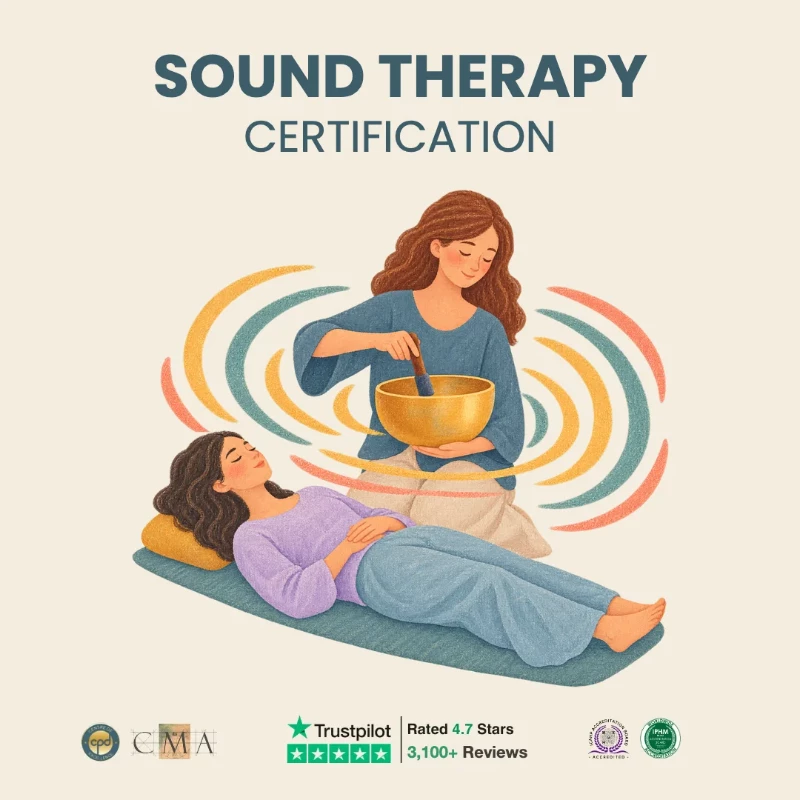
Train in Sound Therapy Certification
Apply these selection and safety principles in the Sound Therapy Certification with guided, practice-ready protocols.
Explore Sound Therapy Certification →