When sensitivity runs high, the instinct is often to reach for more protection: a stronger shield, a longer clearing ritual, a bigger reset at the end of the day. That can help for a while, but it rarely changes the pattern underneath. If your attention keeps drifting outward, other people’s moods can start to feel like your own, and by the middle of the day you may be reacting instead of choosing.
Grounding is the baseline that makes everything else work. For empaths, it returns awareness to the body, steadies the field, and supports clearer choices all day. The most sustainable approach is usually simple: short, repeatable resets woven into ordinary life.
Key Takeaway: Daily aura work for empaths rests on grounding—short, repeatable practices that stabilize the field so you stop absorbing and start choosing. Root-focused breath, body awareness, sensory anchors, nature contact, boundary imagery, and simple rituals can all support a steadier day when used consistently.
Aura and Grounding Through an Empath’s Lens
Think of the aura as a living field of sensation, awareness, and presence that extends beyond the skin. For sensitive people, it can feel porous or overextended after a long day, a difficult conversation, or too much emotional input.
Grounding helps the field reorganize around your center again. Sensitivity stays available, but it has structure and direction.
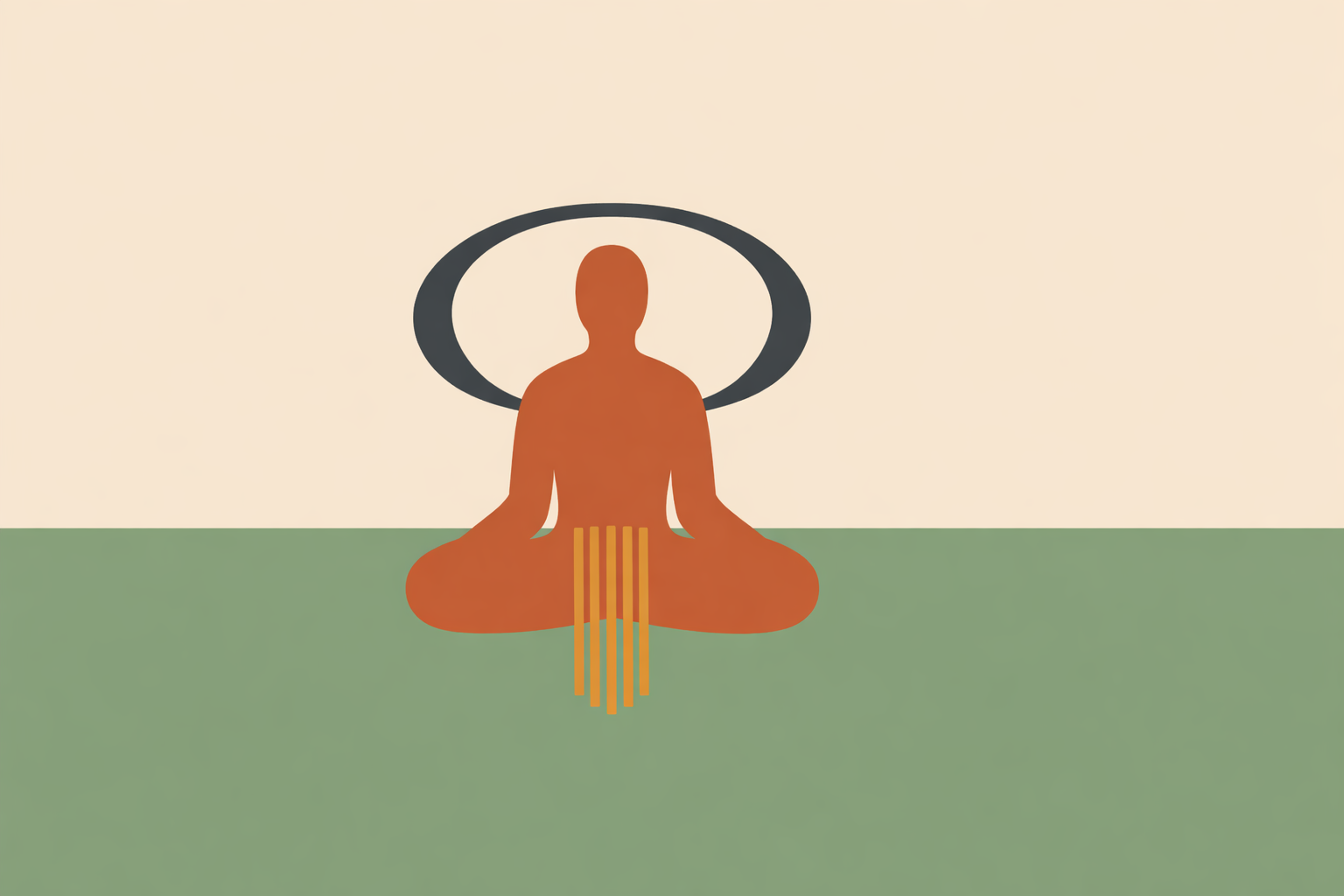
Many traditions locate this stabilizing quality in the root center at the base of the spine, linked with security, embodiment, and connection to the Earth. That map remains practical because it gives your attention a clear place to return to when you feel pulled outward.
Try this: place a hand on your lower belly, breathe softly, and imagine warmth gathering in the pelvis and legs. On each exhale, let your weight settle into the lower body. With practice, the field often feels closer, denser, and easier to inhabit.
Core Grounding Practices for Daily Aura Support
Most empaths don’t need dozens of tools. A few reliable practices, repeated often, tend to bring the biggest shift.
Start with root visualization. Imagine roots extending from your feet or base into the Earth. With each exhale, let static, pressure, or borrowed emotion move downward. With each inhale, draw up steadiness.
Support it with breath. Slow breathing with a longer exhale can create a physiological downshift. A steady rhythm many people like is inhale for four, exhale for eight, until the body softens and the field feels more contained.
Add a tactile cue by keeping one hand on the lower belly while you breathe. That simple contact helps attention stay inside your own experience, instead of scattering into people, screens, or noise.
Nature is another strong ally. Time outdoors is linked with reduced stress, and in energetic practice it often settles a porous field quickly. Bare feet on grass, a hand on a tree, or standing under open sky can be enough.
If you prefer a body-based posture, stand with both feet evenly placed, knees soft, spine long, and attention dropping downward. Press into the floor and let the body remember steadiness.
- 4 rounds of 4–8 breathing
- One hand on the belly
- Brief root visualization
- Stand and press feet into the floor
Fast Grounding Tools for Overwhelm in 1–5 Minutes
When overload hits, grounding works best when it’s practical and immediate.
Begin with structured breathing. Practices such as 4–7–8 or box breathing often bring noticeable calm within minutes. When time is tight, even a brief belly-breath sequence can act as a circuit-breaker as you feel yourself tipping toward overload.
Then anchor through the senses. The 5–4–3–2–1 method returns attention to the present: five things you see, four you feel, three you hear, two you smell, one you taste. It’s especially helpful when the mind is spiralling or the field feels too open.
Bring in pressure if you need faster containment. Press your feet into the floor, grip the sides of a chair, or push your palms into a wall. Strong body contact pulls attention back into the core of the body.
If energy still feels sticky, add a little movement. Gentle shaking, bouncing, or brushing off the arms can help discharge lingering activation, a classic practitioner approach for sensitive systems.
- Three rounds of box breathing
- Name three sounds in the space
- Press feet down for 30 seconds
- Brush off the arms and exhale
How to Build a Daily Grounding Routine
The most supportive routine is rhythmic rather than rigid. A few checkpoints across the day can keep the aura from feeling frayed by evening.
In the morning, set the tone before the phone. Place both feet on the floor, take a few belly breaths, and do a brief root visualization to gather yourself.
Midday is for micro-resets. Short breathing or mindfulness breaks help prevent cumulative stress, which is why even a minute used consistently can change how the rest of the day feels.
Before a challenging conversation, crowded environment, or emotionally charged task, pause and ground on purpose. This is where grounding is most supportive, because it prepares your field before it gets pulled.
In the evening, clear residue and return to yourself. Water, breath, journaling, and quiet visualisation all work well. If you want a deeper weekly practice, a longer sit or an aura-cleansing meditation can help gather your attention and settle what the week stirred up.
Consistency matters more than intensity. Brief, regular practice is linked with better emotional regulation, and it mirrors what practitioners see every day: small resets done often tend to hold better than big rituals you can’t sustain.
- Morning: feet to floor, breath, roots
- Midday: one-minute reset
- Before challenge: breath and boundary image
- Evening: rinse, release, return
Protective Aura Imagery and Healthy Boundaries
Grounding comes first, then boundaries. When the field sits closer to the body, it becomes easier to shape it with intention.
A common practice is to imagine a permeable sphere of light around you. The goal is filtering: letting in what nourishes you while keeping what isn’t yours from sticking. Many empaths find this keeps them warm and connected without becoming absorbent.
Simple phrases can reinforce that boundary. Repeating a short affirmation can modify self-related beliefs and support a steadier inner stance. In practice, the felt sense behind the words is what makes them work.
Try phrases such as:
- “I remain in my own energy.”
- “Open heart, clear edges.”
- “I can care without carrying.”
Discernment matters just as much. Ask, “Is this mine?” If it isn’t, exhale, release it downward, and return to your center.
Journaling can strengthen this skill over time. Brief expressive writing is linked with improved well-being, and it also helps many empaths separate what they truly feel from what they’ve picked up.
Traditional Supports: Water, Salt, Stones, and Scent
Traditional supports make grounding easier because they give the body something tangible to partner with. They work best when they’re simple and consistent.
Salt is widely used in everyday energy practice. A salt bath, hand scrub, or foot soak often helps people feel lighter and refreshed. This is a strong piece of traditional knowledge and practitioner experience, even when modern research is not the main lens.
Water rituals are equally practical. Washing the hands between appointments, showering with release imagery, or ending the day with a mindful bath can clear emotional residue and mark a transition back to self.
Stones and crystals can serve as steady companions. Black tourmaline, smoky quartz, and hematite are popular grounding choices. Many people also do well with an ordinary stone that feels calming to hold, because it gives the hands and attention a place to land.
That sensory contact can focus attention, which is one reason tactile objects can feel supportive during grounding.
Scent can be a gentle cue. Some essential oils, including lavender, show modest calming effects when inhaled. In day-to-day practice, a diluted blend often functions as a ritual signal: when the scent appears, the body remembers to soften and settle.
Choose supports that fit your life, respect the cultural roots of what you’re drawing from, and keep the routine human-sized.
Conclusion: Let Grounding Be Ordinary
The deepest shift usually comes from ordinary repetition. A breath before the meeting. Feet on the floor before the phone. A quick rinse after a heavy conversation. A hand on the belly when the day starts to pull you outward.
Over time, these small acts teach the field a new pattern. Many empaths notice that short, repeatable habits create steadier days than dramatic rituals they rarely maintain.
Start with one morning anchor and one fast reset, and keep both easy enough to repeat. If your practice starts to feel heavy or performative, reduce it until it feels natural again.
Grounding helps you stay rooted inside sensitivity, so you can feel deeply and still remain yourself. If you have a history of panic, trauma responses, or dizziness with breathwork, choose gentler techniques, keep sessions brief, and consider supportive guidance from a qualified professional.
Explore Aura Therapy Certification
Build steadier grounding and boundary skills with the Aura Therapy Certification.
Explore Aura Therapy →