Regression sessions can leave people deeply moved. Images may echo, strong sensations may linger, and the quiet at the end of the room doesn’t always mean the experience feels complete.
That’s why the closing matters. A powerful inner journey followed by a rushed goodbye can leave someone trying to step back into ordinary life while still half inside the material.
Aura-cleansing meditation offers a simple, respectful way to close. Used as a brief ritual, it helps people settle through breath, body awareness, imagery, and clear orientation to the present moment. It also gives facilitators a consistent ending that works whether regression is approached as symbolic inner work, ancestral memory, or something more literal.
Key Takeaway: A brief aura-cleansing meditation can help close regression work with clarity by guiding the person from intensity back into the room. Keep it simple and consent-based: ground through breath and body contact, use one clearing image, establish a gentle boundary, then fully reorient to present-moment awareness.
Aura-Cleansing as a Bridge Back to Everyday Life
Aura language gives shape to something many people recognize even without sharing the same belief system: intense inner experiences can leave a “charge” or atmosphere around them. Working with imagery around the body can help that atmosphere soften and settle.
In practitioner language, this is often framed as energetic hygiene. In more secular terms, it’s a way of pairing visualization with embodied orientation. Both frames can sit side by side without friction.
What matters most isn’t proving the aura as a concept. What matters is whether the ritual helps the person come back to themselves with steadiness. Images like light washing from head to feet, or a gentle boundary around the body, tend to work well because they’re vivid without asking for heavy interpretation.
This is also why aura-cleansing fits so naturally after regression: emotionally rich material can surface quickly, and a closing image gives that experience somewhere to land within a more structured session flow.
When to Introduce Aura-Cleansing After a Session
The best time is usually immediately after the journey, while the person is still resting and before conversation turns overly analytical. In that window, simple cues tend to work better than long explanations.
Keep the environment quiet and supportive. A blanket, water, gentle lighting, and a pace that doesn’t feel hurried can make a noticeable difference. The tone shifts from exploration to integration.
Choice matters here. If intensity rises, the person should know they can pause, keep their eyes open, change posture, or focus on the room instead of the imagery. In regression, open the eyes if needed is a familiar support, and it remains just as valuable during the closing.
- Useful space cues: low interruption, physical comfort, supported feet or back, water nearby.
- Useful consent cues: “You can pause anytime.” “Eyes open or closed is fine.” “We can keep this very simple.”
- Simple transition phrase: “Let’s take a few moments to help your system settle and close the journey well.”
A Simple Aura-Cleansing Flow: Ground, Clear, Seal, Return
A reliable closing feels like a steady handrail. A practical flow is: Ground, Clear, Seal, Return.
Ground. Start with breathing and contact with the body. Invite a slower exhale, awareness of the chair or floor, and attention to the feet or base of the body. Regression practices commonly use breathing and body relaxation to release tension, so this step often feels natural.
Clear. Once the person is steadier, offer one simple image: light moving from above the head to the feet, or a soft wave washing through the space around the body. There’s no need to force detail—the image only needs to be clear enough to signal completion.
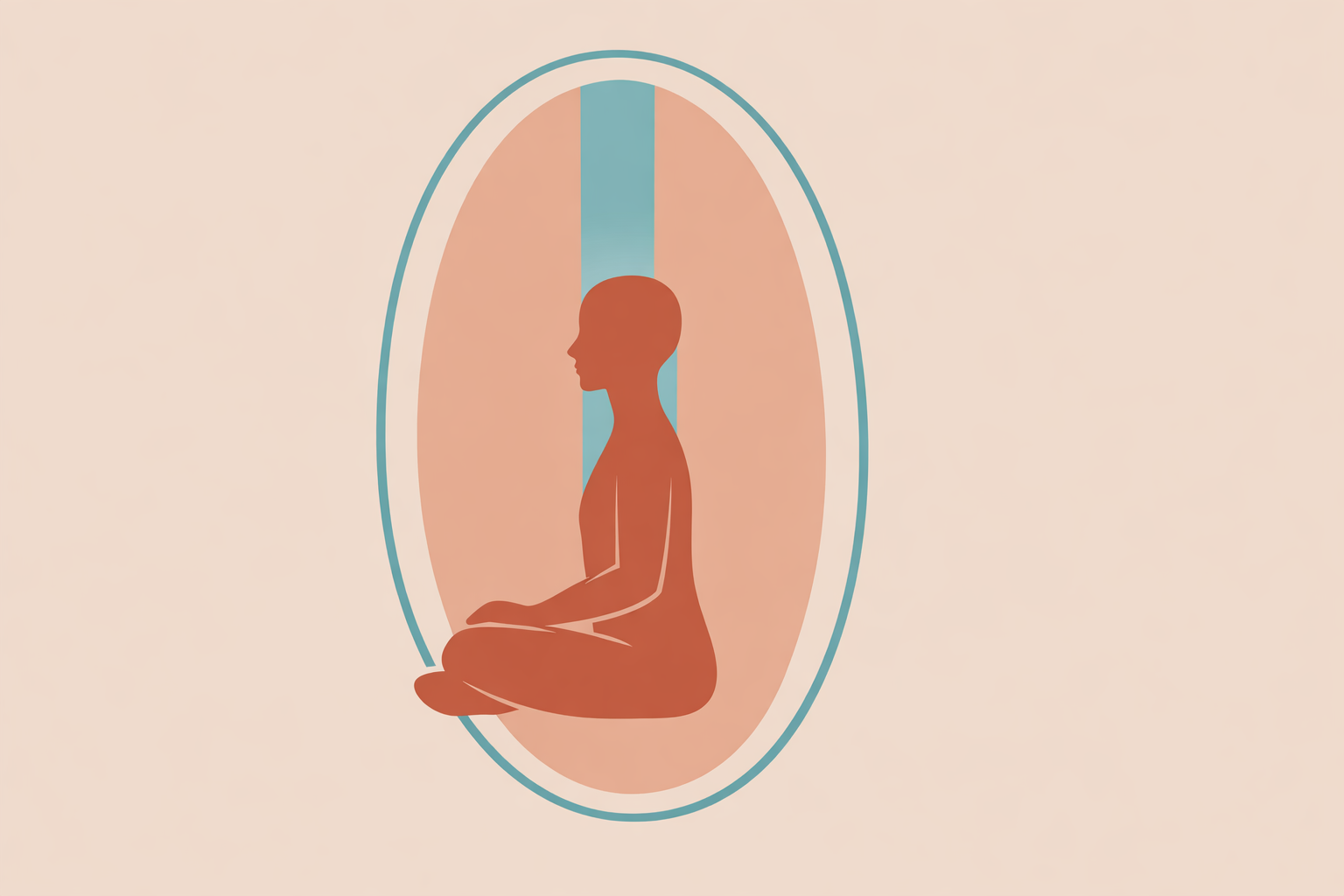
Seal. After clearing, invite a gentle boundary. This might be an egg of light, a cloak, a bubble, or simply a clean edge around the person’s space. The purpose isn’t rigidity; it’s a felt sense of being back in one’s own center.
Return. Finally, guide attention outward: the room, the light, sounds, temperature, the body’s weight, fingers and toes. Many scripts use body awareness and room orientation to help people find themselves in the room before moving on.
“Feel the support under you. Take three easy breaths. Sense a soft field of light around your body. Let that light move through and around you, clearing anything you do not need to carry forward. Now allow a gentle boundary to form around your space. Notice the room, your hands, your feet, and the support beneath you. Come back in your own time.”
How to Read Responses During the Ritual
The body usually tells you whether the practice is helping—or whether it needs to become simpler.
When someone is settling, you may notice easier breathing, more weight in the limbs, less urgency in their speech, and a clearer ability to name the present moment. When the ritual is stirring rather than settling, imagery may intensify, the breath may tighten, or the person may seem farther away rather than more here.
If that happens, reduce complexity immediately. Ask them to open their eyes, notice colors or sounds, feel the contact of feet or seat, or make a small movement with the hands. When intensity spikes, orienting to the room often helps reduce overwhelm.
Put simply, don’t get attached to the ritual. The goal isn’t to complete every step perfectly—it’s to support a steady return.
- Signs of settling: fuller exhale, softer face, warmth or heaviness in the body, more present-moment awareness.
- Signs to simplify: rapid breathing, confusion, increased agitation, difficulty staying oriented.
- Helpful pivots: eyes open, name three objects in the room, sip water, press feet into the floor, shorten the visualization.
Debrief and Integration After the Closing
Once the person is fully back, keep the first debrief simple. Ask what feels most important now, what they want to carry forward, and what kind of support would help them stay steady through the rest of the day.
Many facilitators find that a short clearing ritual followed by reflective conversation creates more closure than talk alone. When the body settles first, meaning tends to emerge with less effort.
For some people, it helps to repeat a brief version over the following days. It doesn’t need to be elaborate: a few minutes of breath, light imagery, and orientation can reconnect them with the session’s insight without “re-opening” the whole experience, much like gentle integration scripts are meant to support closure.
- Useful debrief prompts: What stands out most now? What feels complete? What would you like to protect or preserve as you return to daily life?
- Simple home practice: 5 to 10 minutes of grounding breath and light imagery, followed by a few lines of journaling.
- Practical support: keep the rest of the day spacious where possible, hydrate, eat, rest, and avoid overloading yourself immediately after deep inner work.
Using Aura-Cleansing With Respect and Good Sense
Aura-cleansing works best when it’s offered plainly, without pressure and without grand claims. It’s a support practice, not a test of belief. Some will experience it as energetic boundary work; others as symbolic imagery that helps the nervous system settle. Both are valid ways to engage, much like talking about past-life work with skeptical clients without forcing a fixed worldview.
Cultural respect matters, too. If you draw from a specific lineage, name it clearly and use its elements with care. If you work in a blended contemporary style, keep the language simple and avoid borrowing ceremonial forms you don’t have the grounding to carry responsibly.
Done well, the ritual is brief, kind, and practical. It helps the session end cleanly, gives a felt sense of completion, and supports the shift from deep inner exploration back into ordinary life with more steadiness.
Conclusion
Aura-cleansing meditation isn’t an extra flourish after regression. In many sessions, it’s the piece that helps the work land. By pairing breath, imagery, embodied awareness, and present-moment orientation, it creates a soft but clear threshold between journey and return.
That threshold matters. It helps transform an intense experience into something more integrated, more workable, and easier to carry into daily life. For facilitators, it also offers a dependable closing shape: ground, clear, seal, return.
Keep it simple, consent-based, and responsive to the person in front of you, and aura-cleansing can become one of the most reliable ways to close regression work with care.
Master Past Life Regression
Go deeper into safe session structure and integration with Naturalistico’s Past Life Regression course.
Explore Past Life Regression →