Many regulation coaches reach for tools first: box breathing, reframes, 5-4-3-2-1, grounding lists, scripts for every scenario. In practice, that can backfire. People grab tools too late, skip them under pressure, or get stuck choosing the “right” one while their system is already overloaded.
A steadier path is to build regulation in phases. Start with awareness and shared language. Then add a small set of reliable state-shifting skills. Finally, weave those skills into identity, routines, and environment so they’re easier to access in daily life. This sequence travels well beyond the session and naturally makes room for both modern evidence and longstanding traditional ways of returning to balance.
Key Takeaway: Effective emotional regulation coaching works best as a three-phase spiral rather than a toolbox. Phase 1 builds awareness and shared language so people can notice and name state in real time. Phase 2 adds simple state-shifting skills such as breathing, grounding, movement, and reframing. Phase 3 integrates identity, habit loops, and environment so regulation becomes easier to return to under pressure. Together, these phases help coaching move from insight to lived choice.
Phase 1: Build Awareness and a Shared Language First
Phase 1 builds the shared map you’ll use everywhere else. If someone can’t reliably notice and name what’s happening internally, any technique will be inconsistent. Awareness is the foundation that makes every later skill usable under real pressure.
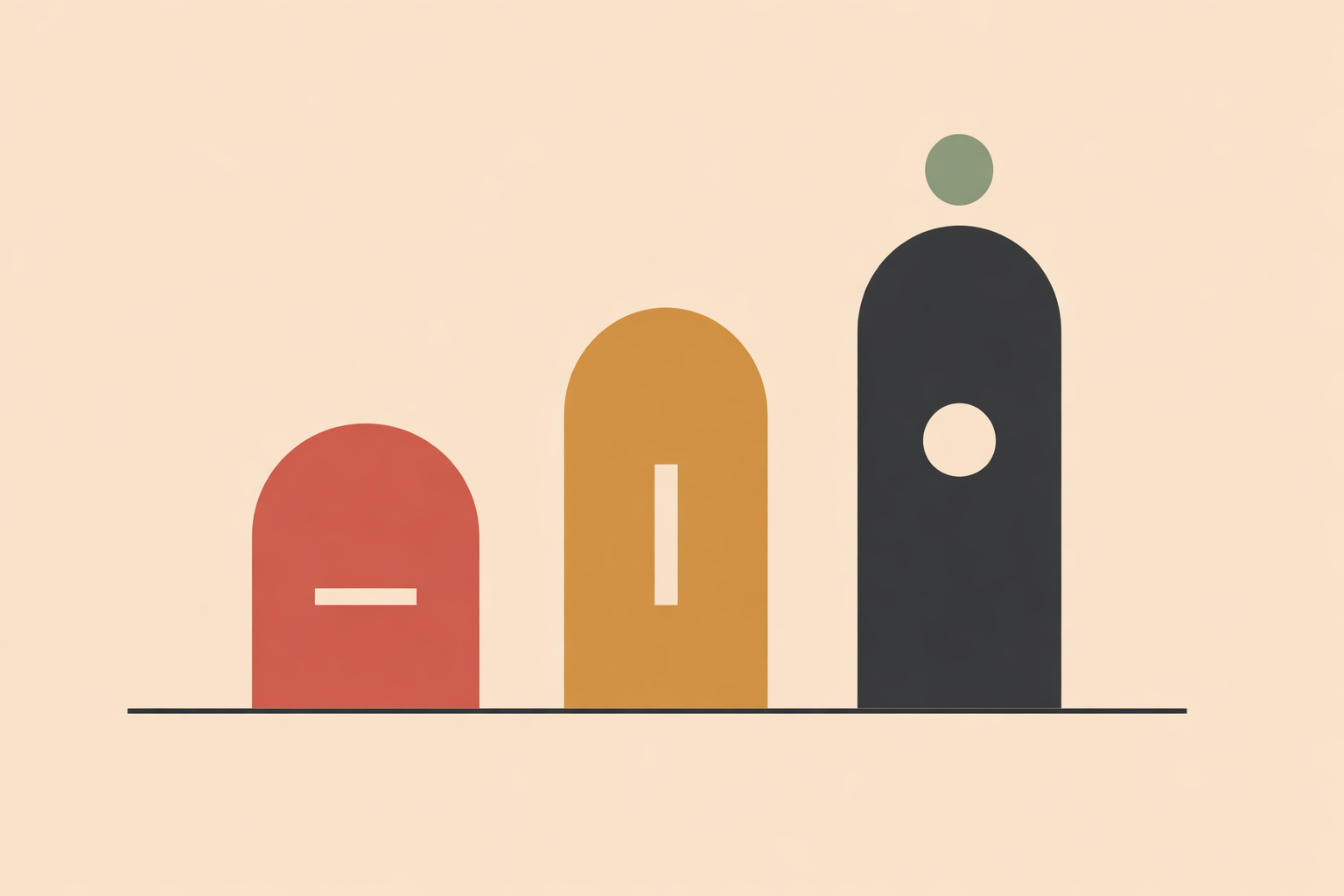
Many teams and families do well with a simple color-coded state map for check-ins. It answers “Where am I right now?” without needing perfect words. The model matters less than the feel: clear, shared, and easy to reach for quickly.
Keep the vocabulary embodied and concrete. Move beyond “I’m stressed” into “tight jaw,” “heat in the face,” “buzzing chest,” or “heavy shoulders.” This ability to notice and name inner experience is closely tied to emotion regulation, which is why tools can feel hit-or-miss when this layer is missing.
Create a shared emotional language
A short script helps: Body, Emotion, Story, Choice. In a few seconds, someone might say: “Chest buzzing. Irritated. ‘They ignored me.’ I’m going to pause before replying.” That kind of language creates space for choice without requiring a long explanation.
- Client card example: “Blue = low or flat. Green = steady or focused. Yellow = activated or edgy. Red = overwhelmed.”
- Coach line: “Let’s leave ‘good’ and ‘bad’ behind and use colors, sensations, and intensity instead.”
Use the person’s natural language whenever possible. If they describe their state as “heat,” “wind,” “off-center,” or “heavy,” keep it. Many traditional systems already understand emotional state through the body, elements, rhythm, and balance. Good coaching builds on that familiarity rather than replacing it.
Catch escalation early
Early signals matter because state can shift quickly. As arousal rises, reactivity increases and reflective capacity narrows. Under stress, heart rate and breathing often speed up, while working memory and complex language become less reliable.
So Phase 1 includes signal-spotting. Help the client identify their earliest signs: shoulders lifting, breath moving high into the chest, faster speech, tunnel vision, clenched hands, or a sudden urge to act. When those cues become familiar, intervention happens earlier, when choice is still available.
A practical pattern map is: Event → Meaning → Body → Action. For example: “Slack ping → ‘I’m behind’ → chest tight, heat rising → sharp reply.” It highlights where the spiral starts and how meaning shapes the body’s response.
To make awareness real, shift it into observation for a short window. A week of light tracking often reveals patterns without turning into a performance.
- Simple tracker: “2:40 pm | yellow 6 | jaw tight | ‘I’m late’ | paced for 1 minute.”
- Session agreement: “If you hit red 8 out of 10 during our call, we pause, ground, and then decide what feels supportive next.”
Phase 1 is working when the client can answer in real time: Where am I? What is my body telling me? What choice is still available?
Phase 2: Add Simple State-Shifting Skills
Once awareness is steady, add skills that shift state in the moment. The goal is a small set of reliable levers that fit the client’s life, values, and temperament, not an endless technique list.
When intensity is high, start with the body. Slow diaphragmatic breathing can increase heart-rate variability and support autonomic balance. A practical target many people can learn is 5–6 breaths per minute for a few minutes, often creating enough space for steadier choices.
Once the breath settles, reframing usually becomes easier to reach.
Pick the right lever for the moment
- Breath reset: “Exhale longer than you inhale. Try 4 in, 6 out, for three rounds, then check your number again.”
- Grounding: press feet into the floor, name five sounds, hold a cool glass, touch a textured object, or orient to three things you can see.
- Movement: shake the arms, sway gently, take a short grounding walk, or use a familiar movement practice that drops attention back into the body.
- Reframe: “What story am I telling? What else could be true? What matters most in the next two minutes?”
Keep practice brief and repeatable. Short, frequent reps tend to stick because they’re easy to remember and easy to use in ordinary moments, a practical fit with both brain health and everyday regulation work.
Consent and pacing matter. Some clients find strong inward focus uncomfortable at first, so start with external anchors like sound, temperature, or contact with the floor, then invite more interoception as trust builds.
In live sessions, the coach’s pace is part of the method. Slowing down, leaving space, and letting pauses breathe often supports regulation as much as any single technique, especially when using simple reset cues.
Respect cultural roots and real-life fit
Ask what already helps in the client’s world: a prayer, a song line, warm tea, stepping outside at sunrise, a hand on the heart, a few quiet breaths before speaking. If something works and carries meaning, protect it and build around it. Coaching strengthens what’s already rooted.
- Example micro-plan: “Monday, Wednesday, Friday after breakfast: 3 minutes of slow breathing. Tuesday and Thursday before commute: 90 seconds of grounding. Daily at lunch: one brief reframe.”
- Coach line: “Let’s test one breath practice, one grounding move, and one meaning shift. We’ll keep what helps and release what doesn’t.”
By the end of Phase 2, the client has a small menu of state-shifters and a clear sense of timing: body-first when intensity is high, meaning shifts when intensity is moderate, and preventive practices for predictable stress points.
Phase 3: Turn Skills Into Identity, Habits, and Environment
Phase 3 is integration. This is where regulation becomes easier to return to because it’s supported by identity, repetition, and environment.
Start with identity. A line such as “I return to center before I respond” gives the practice a home. Under stress, identity cues often show up faster than complicated strategies.
Then build routines that make follow-through more likely. Clear habit loops support consistency: a cue leads to a small action, and a payoff reinforces it, even when the payoff is just feeling steadier.
From technique to daily pattern
- If-then plan: “If I hit yellow 6 during a meeting, then I press my feet down and take three slow exhales before I speak.”
- Environment design: a note on the lock screen, a smooth stone in the pocket, a reminder beside the kettle, or a short pause before opening email.
- Values bridge: “I choose a two-minute pause because I want to lead with steadiness.”
Reflection helps, but it can stay simple. A short record of what worked, what didn’t, and what was noticed is enough to refine the plan over time.
It also helps to set a realistic time scale. New habits often take 2–5 months to feel more automatic, with wide personal variation. That’s why repetition and supportive design matter as much as insight.
Setbacks are information. When a practice disappears under pressure, adjust the plan toward something earlier, simpler, or better anchored.
This longer arc matters because emotion regulation connects strongly with well-being across the lifespan. In coaching terms, the aim is more consistent access to choice, not perfection.
- Weekly reflection template: “1) One win I noticed. 2) One hard moment. 3) What helped most. 4) One change for next week.”
- Midweek prompt: “Quick color and number check. If you’re yellow 6 or above, take 60 seconds for a longer exhale and notice what shifts.”
Phase 3 is ongoing. Life changes, roles change, and stressors change. People cycle back to awareness, refresh their skill menu, and refine routines as needed.
Bringing the Three Phases Together
Awareness, state-shifting, integration: three phases that work like a living spiral. First, help the client notice and name state. Then practice a few grounded ways to shift it. Finally, help those practices take root in identity, habits, and environment so they show up in real life.
This approach naturally welcomes both traditional wisdom and modern evidence. Breath, movement, rhythm, quiet, warmth, prayer, song, and shared language have long helped people return to center. Research can illuminate mechanisms and refine practice, without stripping these approaches of their lineage or meaning.
To close, keep the cautions simple: choose practices that fit the person’s body and culture, go at a consent-based pace, and prioritize what they can actually do on an ordinary day. When the map comes first, the tools land better, and regulation becomes a skill clients can carry with them, including in neuroplasticity coaching practice.
Train Neuroplasticity Coaching Skills
Apply this three-phase regulation spiral with deeper brain-based practice in the Neuroplasticity Coaching Certification.
Explore Neuroplasticity Certification →