Practitioners are often told to manage “behaviors,” redirect stimming, and keep the session on track. That can work for a while, until a client’s body ramps up, the room turns tense for reasons you can’t yet read, and your tools start to feel corrective rather than collaborative.
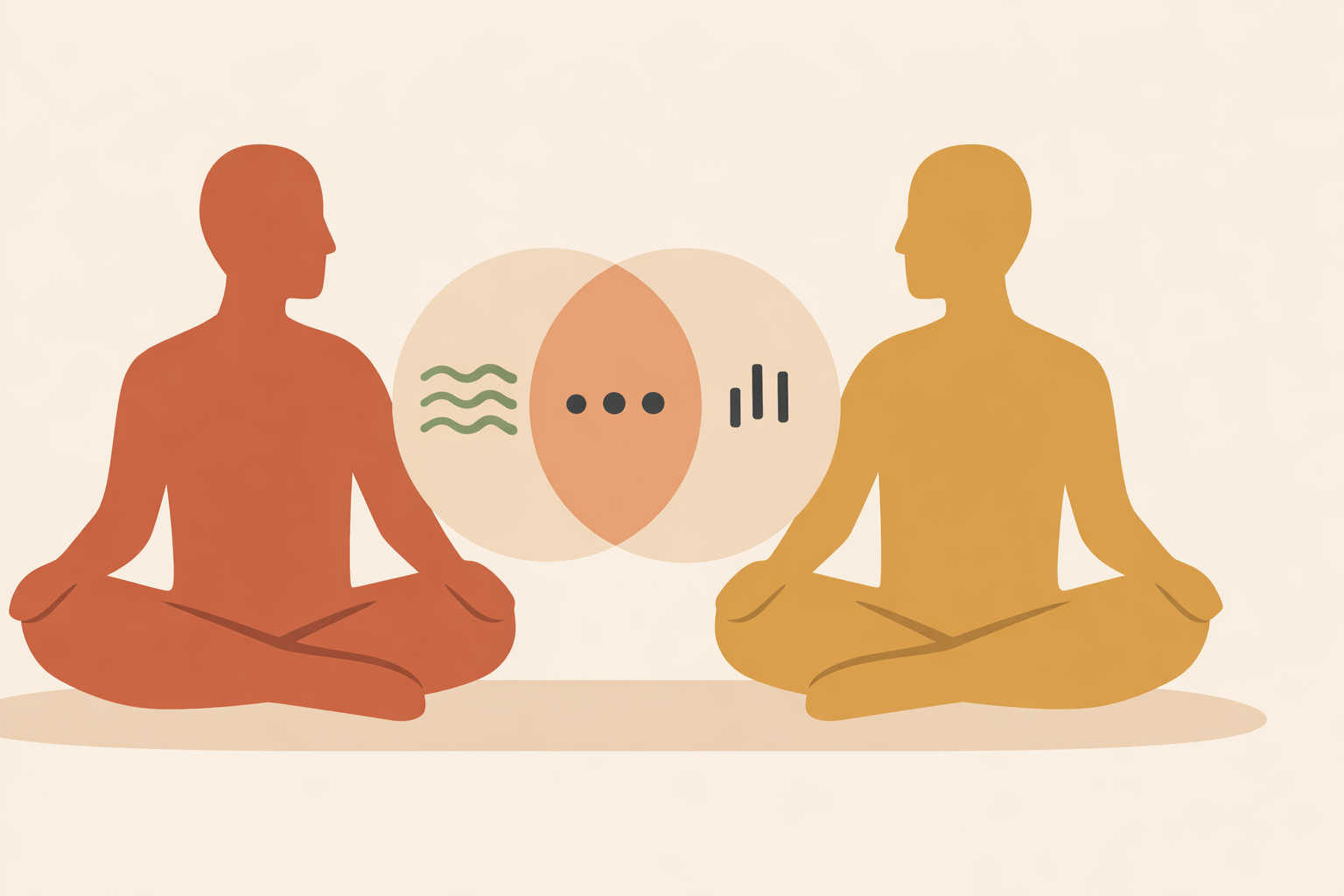
A steadier approach is to treat sensory processing differences as a language. Instead of asking how to stop a behavior, you ask what the body is communicating about safety, overload, relief, or need. From there, coaching becomes more collaborative and more practical in daily life.
Key Takeaway: Effective sensory coaching treats sensation as a language and builds support from that information. In practice, that means using affirming language, mapping a whole-person sensory profile, adjusting environments through sensory audits, building interoceptive check-ins and grounding rituals, translating insight into tiny values-based experiments, replacing chronic masking with clearer requests, and reviewing supports regularly so they evolve before exhaustion builds.
Step 1: Treat sensory differences as meaningful communication
When sensory differences are framed as communication rather than disruption, coaching shifts immediately. The goal stops being “looking okay” and becomes feeling more settled, resourced, and able to participate on one’s own terms.
Language helps set that tone. In neurodiversity-informed practice, identity-first language often better centers autism as part of a person’s way of being, supporting a less corrective stance in session.
From this perspective, stimming, shutdown, pacing, or withdrawal are useful information. The body is signaling load, seeking regulation, or protecting capacity.
In session, that can sound like: “Let’s slow down. What is your body telling us right now?” The question invites collaboration instead of compliance.
Step 2: Build a whole-person sensory profile
Once you start listening for sensory meaning, map patterns. A strong sensory profile goes beyond a checklist and captures how someone’s senses interact with context, attention, energy, social load, and recovery.
Begin with the eight sensory systems: sight, sound, smell, taste, touch, vestibular, proprioception, and interoception. Then add context:
- time of day
- specific environments
- social demand
- recovery time
- what reliably helps
- what predictably tips things over
Many autistic people have uneven sensory patterns rather than one fixed level of sensitivity. Practitioner experience often describes “spiky profiles,” and research on interoception also reflects uneven sensitivity across different internal cues.
Include attention style, too. Monotropism describes deep, narrow-channel focus, which can change how sensory input lands. A sound may be tolerable during immersion in a preferred task and feel unbearable during interruption or transition.
Keep the profile practical and “alive,” something you update rather than a label you file away. A simple format might include:
- strong sensitivities
- under-noticed cues
- preferred supports
- shutdown or overload signs
- recovery needs
- non-negotiable boundaries
Consent boundaries matter here. “I do not do fluorescent-lit rooms” is not resistance; it’s high-quality data. Naming and honoring boundaries strengthens trust and usually leads to support plans that actually get used.
Step 3: Use sensory audits to improve everyday environments
Once the inner pattern is clearer, widen the lens. Many sensory struggles are signs of mismatch between a person and their environment. A sensory audit helps you spot that mismatch and adjust what can be changed.
Sensory audits and environmental adjustments can create real relief from relatively small changes, and this is often where people feel the quickest shift.
Walk through home, work, study, or community spaces together if possible. Notice:
- lighting and glare
- background hums, echoes, and traffic noise
- textures and fabrics
- visual clutter
- movement demands
- predictability and retreat options
Useful questions include:
- What here drains you fastest?
- What feels neutral or steady?
- Where does your body soften?
- What do you brace against in this space every day?
A room-by-room audit may reveal simple changes such as:
- swapping flickery bulbs for softer lamps
- moving a desk away from traffic flow
- creating a quiet corner or retreat route
- removing scratchy textures
- adding a rocking chair, weighted wrap, or movement option
- shifting shopping, eating, or commuting times
Decision aids can also be part of the environment. Clear visual cues, two-choice prompts, and simple routines reduce strain better than relying on memory under pressure.
The aim is not perfection. It’s making everyday spaces more workable and less costly to move through.
Step 4: Strengthen interoception and create grounding rituals
External adjustments help, but many clients also need support noticing what is happening inside. Many autistic people describe internal body cues as faint, delayed, or confusing, so hunger, thirst, tension, temperature, fatigue, and rising overwhelm can register late or all at once.
Interoceptive practice builds that inner awareness over time. It does not need to be elaborate; brief, regular check-ins are often enough.
A simple three-word check-in can work well. Interoception check-ins are commonly recommended as a gentle way to build awareness of internal states. For example:
- Fuel?
- Tension?
- Temp?
The client can answer with words, colors, hand signals, or cards. The goal is pattern recognition, not perfect insight.
From there, build short grounding rituals that fit the person’s preferences and cultural context, much like the practical emotional regulation supports used in autism coaching. Brief combinations such as humming, warmth, pressure, swaying, pacing, wall pushes, or familiar scents can help regulate arousal states.
- humming for 20 seconds with hands on the ribs
- holding a warm mug at the chest
- gentle shoulder pressure from a wrap or blanket
- rocking while looking at a fixed visual point
- using prayer beads or another familiar tactile object
- a short hand-washing or scent ritual that cues transition
Write the ritual like a recipe card: brief, repeatable, and consent-based.
Step 5: Turn insight into tiny, values-based experiments
Sensory insight becomes useful when it changes everyday life. The most reliable changes are often small and specific, especially when they are anchored in what matters to the client.
Start with a values sentence such as:
- Because I value creative focus, I want mornings to feel less jagged.
- Because I value family connection, I want dinner to cost me less energy.
- Because I value steadier work, I want meetings to be easier to recover from.
Then shrink the plan until it feels realistic. For example:
- set out ear defenders the night before
- switch on one lamp instead of overhead lighting
- do 20 seconds of humming before opening email
- use a two-choice card when overloaded
- move to a quieter seat before energy drops too far
Decision aids reduce executive load compared with relying on memory. Visual prompts, first-then slips, and either-or choices support follow-through when the nervous system is already working hard.
Small successes build trust in the process. Once a tiny experiment proves useful, you can build from there.
Step 6: Replace chronic masking with clearer requests
Many autistic people have learned to mask to get through demanding spaces. It can help someone navigate social expectations in the short term, yet sustaining it over time often becomes exhausting and costly.
Many practitioners and autistic adults recognize the long-term strain that can come with camouflaging. A more sustainable path is to reduce hidden labor where possible and replace some masking with clear, functional support requests.
Environmental adjustments and explicit requests can reduce the burden of continually adapting in silence.
Keep requests simple, neutral, and specific. Practice them out loud so they are easier to access under pressure.
Examples:
- “When the blender runs, I need a heads-up so I can put my headphones on.”
- “I focus better with softer light. Can I use a lamp instead of the overhead?”
- “I can participate more consistently if I have written instructions after meetings.”
- “Busy times are harder for me. Is there a quieter hour for this?”
Some clients will still choose to mask in selected situations. That choice deserves respect. The point is helping people spend energy deliberately and ask for what genuinely supports them.
Step 7: Review supports regularly to prevent deeper exhaustion
Sensory support plans should evolve. Seasons change, workloads shift, homes get noisier, relationships change, and a support that worked six months ago may stop fitting. Regular review keeps the plan responsive.
Autistic burnout commonly involves long-term exhaustion, loss of skills, and reduced tolerance to sensory input. By the time it is obvious, the person may already be running on very little.
A brief review cadence helps catch early warning signs before overwhelm builds too far. This kind of pattern-tracking also supports safer decisions around autistic burnout when capacity drops and scope questions start to matter.
Useful review prompts include:
- What is working well right now?
- What has become more effortful?
- Which spaces feel harder than they did last month?
- What support are you not using anymore, and why?
- What new boundary needs naming?
You can also sort observations into:
- greens: steady and supportive
- yellows: becoming costly
- reds: unsustainable
This keeps the plan focused on sustainability rather than compliance. The aim is helping the client build a life they can keep living.
Conclusion: Build sensory support that can grow with the person
When you coach sensory processing differences as meaningful communication, practical support becomes easier to design. You stop arguing with the body and start learning from it. The profile gets clearer, the environment becomes more workable, regulation feels more reachable, and advocacy becomes more honest.
A one-page sensory profile, a room-by-room audit, a short grounding ritual, and a values-framed request can meaningfully improve home, school, work, and community life. None of this requires forcing someone into a mold that was never built for them.
As with any coaching approach, keep support consent-based and adaptable within neurodiversity coaching, and invite clients to involve qualified professionals when needs go beyond your scope. The strongest sensory support is kind, specific, and adjustable, evolving as the person evolves.
Train in Autism Coaching
Deepen these sensory-support skills with the Autism Coach Certification.
Explore Autism Coach →