Animal aromatherapy asks for two qualities at once: sensitivity and restraint. In real practice, the most useful notes are rarely the most elaborate ones. They are the ones you can repeat, compare, and trust when a guardian asks what actually changed.
Look for small, everyday shifts: a softer posture, a shorter settling time, a clear turn-away, a quicker return to normal after a routine stressor. Those details often tell you more than an overbuilt tracking system ever will.
Key Takeaway: Effective animal aromatherapy tracking is simple, safety-first, and behavior-led. Start with a quick species check, establish a realistic baseline, track only a few visible indicators, and structure each session in a before–during–after flow that respects animal choice. A one-page journal and a weekly green–amber–red review are often enough to support clear, grounded decisions.
Start with safety: a fast species check before any exposure
Before opening anything, pause for a short safety screen. When you do this every time, you prevent many avoidable problems.
- Species, age, and approximate size
- Pregnancy, lactation, or breeding status if relevant
- Known sensitivities or previous strong reactions
- Breathing concerns or seizure history
- Grooming habits, especially frequent self-grooming
- Ventilation, water access, and a clear exit
- Planned route of exposure
Route matters. Oral and skin exposure add significant risk compared with indirect, ambient approaches.
Cats deserve especially conservative handling. Cats are especially sensitive to essential oils, and coat exposure can easily turn into ingestion through grooming.
Birds also require strict caution. Birds’ respiratory tracts are very sensitive, so airborne exposure in enclosed or poorly ventilated spaces is not a casual decision.
A practical note might read: “Indoor cat, frequent self-groomer, small flat, limited air flow. No diffusion. If offering anything aromatic, use indirect exposure only, with distance and a clear choice to leave.” Notes like this protect the animal and keep your choices consistent.
Build a real-world baseline before you introduce aroma
If you do not know the animal’s normal, you cannot interpret change well.
Choose one ordinary routine and watch it over several repetitions before you introduce anything aromatic. For dogs, that might be post-walk settling. For horses, evening stall quiet. For cats, after-dinner rest. You are learning the individual in their everyday setting, not creating a laboratory score.
Track a few steady, everyday signs such as:
- posture and movement
- appetite and water interest
- grooming patterns
- rest quality
- time to return to calm after a familiar event
A simple within-animal scale can help: 1 for clearly unsettled, 3 for typical, 5 for notably easy and comfortable. It is a yardstick for one being in one context.
Sample note: “Evening feed, ears neutral, two laps before resting, returned to hay in 8 minutes, handling easy, overall 3/5.” Add context when it matters: weather, noise, visitors, altered routine. Those details keep comparisons honest.
Track only 3–5 visible indicators
More data is not always better data. In most sessions, three to five clear indicators are enough to guide good decisions.
Choose measures you can count, time, or describe consistently:
- time to settle
- approach, neutral response, or avoidance
- duration of relaxed rest
- tolerance of familiar handling
- recovery time after a routine stressor
When you can, record frequency and duration. “Paced six times in ten minutes” is more useful than “seemed a bit unsettled.” “Returned to mat in seven minutes” holds up better than “calmed down eventually.”
This kind of clarity supports intuitive practice rather than replacing it. Concrete observations make the next step obvious: continue, pause, reduce, or stop.
In horses especially, behavioral markers can be very practical. One study observed calmer horses during structured lavender diffusion sessions. The wider takeaway is simple: visible behaviors are what make comparison possible from one session to the next.
Use a before–during–after session flow that respects animal choice
A consistent session structure helps you stay present, and it gives your notes an easy rhythm.
- Before: record baseline, environment, product identity, and planned exposure
- During: offer indirectly and at a distance, then observe
- After: note immediate response, time to baseline, and any unwanted signs
Let behavior lead. Voluntary approach, brief investigation, and resting nearby can suggest interest. Turning away, leaving, hiding, agitation, coughing, sneezing, drooling, rubbing, or unusual stillness are all meaningful signals.
With cats and other self-groomers, keep your approach disciplined. Skin exposure can quickly become ingestion through grooming, so indirect methods are usually the more respectful option.
A simple script can keep a guardian calm and consistent: “We’ll open the jar across the room. If he turns away, we close it. If he stays, we observe for one minute, then close it anyway.”
The note afterwards might read: “Before 3/5. During: approached, sniffed, lay down. After: returned to baseline in 5 minutes. No unwanted signs.” That is enough to guide the next session.
Create a one-page animal aromatherapy journal
One page per animal, per product is often the right constraint. It keeps your record usable and your observations clean.
- Animal and species
- Date, time, and environment
- Product identity, supplier, and batch
- Dilution or formulation
- Route and duration of exposure
- Chosen indicators
- Observed response
- Any unwanted signs and what you did next
For example: “Rosie, dog. Calm before session, normal appetite. Lavandula angustifolia hydrosol, batch 0424. Offered in open jar at 1.5 m for 3 x 30 seconds. Approached twice, rested near guardian. Settled in 6 minutes; usual range 8–10. No unwanted signs. Repeat in two days.”
Measure dilution carefully and write it clearly. Avoid “one drop” as a unit when precision matters, because drop size varies. Hydrosols are much gentler in aromatic strength than essential oils, but they still deserve species-aware handling, good storage, and clear observation.
Make route visible in your notes. If the animal licked the area, rubbed against fabric, or groomed after contact, record it. Those details often explain the whole session.
Review weekly with a green–amber–red system
Single sessions can mislead. Weekly review gives you a steadier, more truthful view of what is happening over time.
At the end of the week, look for direction and consistency:
- better, worse, or unchanged
- repeated pattern or one-off event
- speed of response
- duration of response
- return to baseline
- presence or absence of unwanted signs
Then sort your notes into three categories:
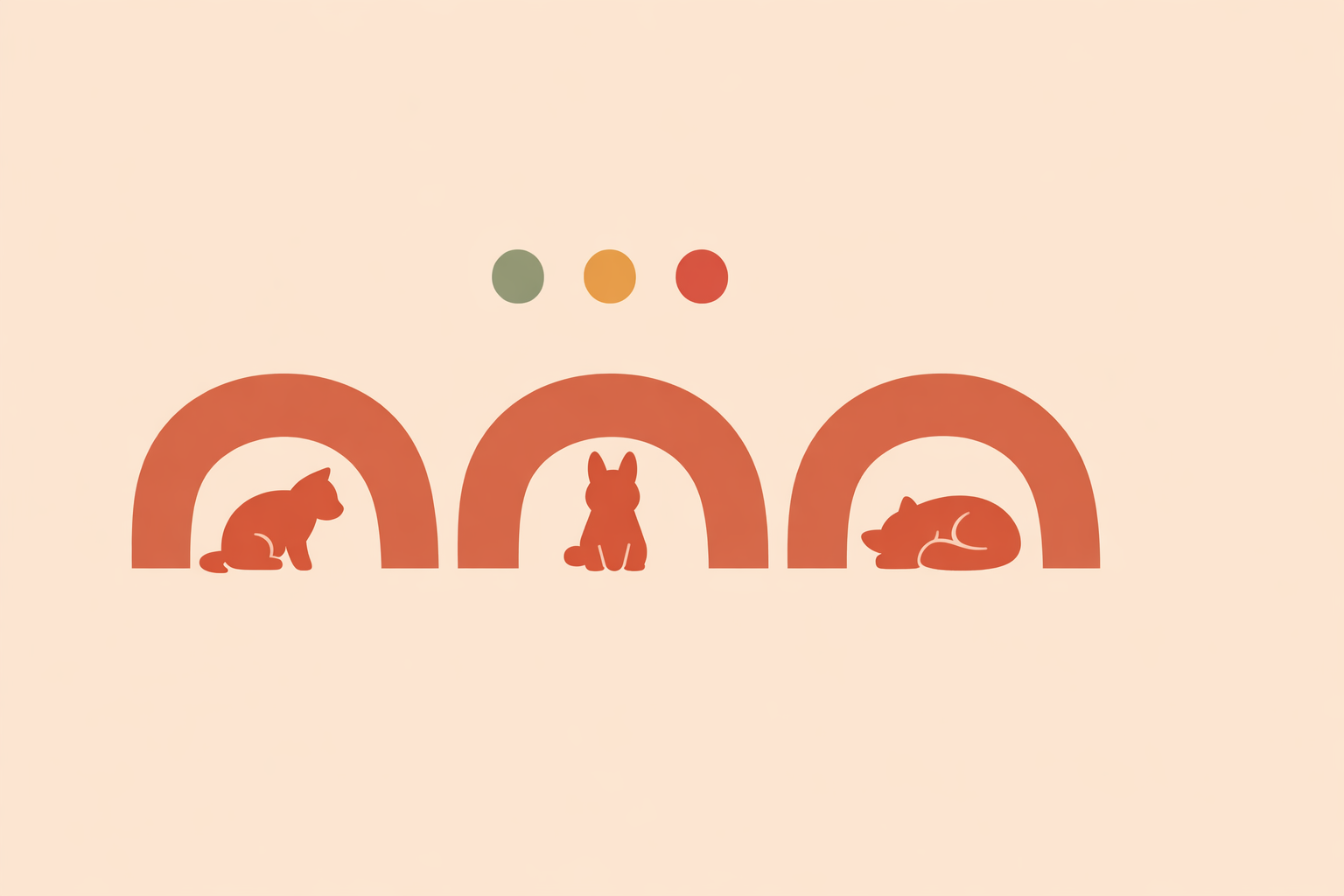
- Green: within typical range, no unusual signs, clear choice available
- Amber: mixed or unclear response, or mild avoidance; pause and reassess
- Red: strong distress, marked lethargy, breathing difficulty, tremors, digestive upset, or other concerning signs; stop immediately and seek support
Example: “Week 1 green: shorter settling time, no unwanted signs. Week 2 amber: avoidance during a noisy evening. Week 3 green: calm approach and longer rest in a quiet setting.” This prevents overreacting to one good session or one difficult day.
Green does not mean “safe forever.” It means the session stayed within acceptable bounds in that context. Amber is useful information because it points to variables you can simplify. Red means stop.
Adapt the method by species
The journal structure can stay the same across species. The safety boundaries should not.
Dogs often tolerate more than cats, but that is not a reason to be casual. Track licking, drooling, movement changes, skin response, appetite, rest, and behavior around the offered aroma. Keep exposure modest and easy to stop.
Cats call for the most conservative approach in many households. Frequent grooming, close contact with surfaces, and strong individual preferences mean that indirect, brief, choice-led exposure is usually the wiser path. If a cat avoids, hides, or becomes still in an unusual way, treat that as clear communication.
Horses lend themselves well to behavioral tracking because changes in carriage, pacing, pawing, rest, and handling tolerance are often visible. Prioritize ventilation, and keep sessions short enough that the animal stays comfortable.
Birds, rodents, and reptiles require even stricter restraint. Air quality, distance, enclosure size, and the ability to move away matter more than almost anything else. With birds especially, active diffusion in enclosed areas is best avoided. If working with very small animals at all, think environment first and minimal exposure second.
Across species, one principle remains steady: if the animal cannot choose to leave, do not add scent.
Keep the method small, kind, and clear
In animal wellness practice, a modest record is often the most respectful one. A short, consistent journal keeps you close to lived response rather than wishful interpretation. Many times, the most valuable note is that there was no negative response and no pressure placed on the animal.
If an animal shows concerning signs after exposure, stop at once, move them away from the source, prevent further contact where practical, and seek prompt support. Signs such as coughing, sneezing, drooling, vomiting, diarrhea, tremors, weakness, unsteadiness, irritation, or unusual lethargy should never be brushed aside.
Over time, careful notes become a bridge between traditional plant practice, modern caution, and the individual language of the animal in front of you. Keep the method simple enough to use, clear enough to trust, and kind enough to honour choice in animal aromatherapy.
Explore Animal Aromatherapy Certification
Build safer, clearer sessions with Animal Aromatherapy Certification, grounded in species-aware practice and observation.
Explore Animal Aromatherapy →