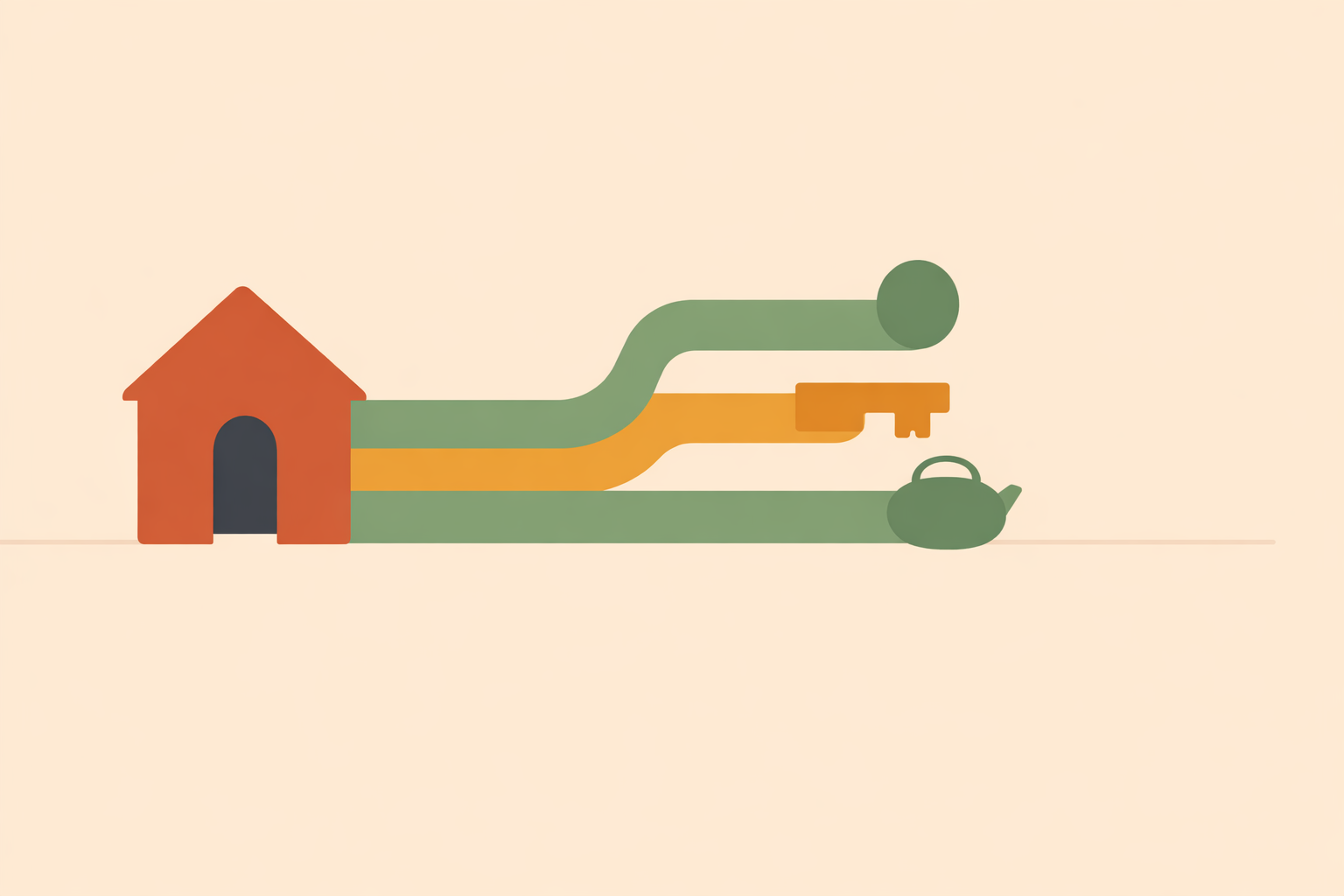
A home visit goes smoothly until the third interruption: a kettle forgotten on a lit burner, a front door left ajar, and a hallway that suddenly feels unfamiliar at dusk. The family has already added cabinet locks and a louder alarm, yet the incidents keep changing shape. What’s often missing is translation: turning changing abilities into everyday supports. Without that bridge, you get more rules, more gadgets, and more stress, without much more ease.
In day-to-day practice, one shift carries most of the weight: read dementia symptoms as safety signals. Instead of trying to suppress every difficult moment, listen for what that moment reveals about the space, the rhythm of the day, or the kind of help that would make life smoother. Small, respectful adjustments can protect dignity and well-being at the same time.
Key Takeaway: Effective dementia home safety starts by reading symptoms as safety signals and translating them into small, person-centered adjustments. The most helpful plans link behavior to a concrete risk, adjust the home and routine, and keep evolving as abilities change.
Step 1: Read Symptoms as Safety Signals
The most respectful way to approach home safety is to treat everyday symptoms as messages. Forgetfulness, disorientation, shifts in judgment, and restlessness usually show up first as practical risks in ordinary routines.
When each change is translated into a supportive adjustment, safety becomes more humane. The person who forgets the kettle may do well with an automatic shut-off and a simpler tea setup. The person who misplaces keys often benefits from one consistent “home” for them by the door. These supports are meant to preserve daily life, not shrink it.
Start with the person’s story. Good plans reflect long-held routines, cultural practices, preferences, and strengths. If evening prayer has always marked the transition into rest, that ritual can anchor a calmer nightly rhythm. If folding laundry after dinner has always felt familiar, that task can steady late-day restlessness.
Expect the plan to change. What works this month may need simplifying later. The most grounded approach stays collaborative and revisits what’s working.
A quick example: “Observation: Maya leaves the back door slightly open after watering plants. Response: add a quiet door chime and place a bright watering can by the door as a cue to close it.” Person-centered safety work follows that same loop: observe, interpret, adjust, review.
Step 2: Link Symptoms to Everyday Home Risks
After you start reading symptoms as signals, map them to specific home risks. This keeps support practical and easy for everyone to follow.
For example: Mr. R still enjoys cooking, but twice this month he walked away from a heating pan. That points directly to kitchen heat risk. A supportive response could include an auto shut-off device, stove knob covers, and shared cooking during active meal prep.
Use a simple symptom-to-risk map:
- Memory lapses: unattended appliances, doors left open, taps left running.
- Reduced judgment: unsafe use of tools, chemicals, or sharp objects.
- Visuospatial changes: misreading steps, rugs, shiny floors, or patterned surfaces.
- Agitation in the evening: pacing, exit-seeking, or unsettled movement at dusk.
- Movement changes: slower reactions, balance shifts, and difficulty navigating clutter.
Keep the mapping personal. If someone becomes anxious in a hallway at dusk, the issue might be glare, shadow, floor contrast, or visual overload. If someone resists bathing, the bath may feel unsafe or overwhelming. Bathing resistance is often shaped by environmental factors like poor lighting, uncomfortable temperature, running-water noise, or depth-perception changes. Adjusting the light, warming the room, or starting with a warm cloth can ease the whole experience.
Two useful worksheet examples:
- Symptom: “Forgets the tap while washing dishes.” Risk: flooding and slips. Response: a visible reminder near the sink and a simple wash-dry-put-away routine together after dinner.
- Symptom: “Repeats ‘I have to go home’ at 6 p.m.” Risk: exit-seeking. Response: a short garden walk before dusk, favorite tea afterward, and a familiar playlist during sunset.
Step 3: Make the Home Easier to Read
Walk through the home with fresh eyes. The goal is not to erase personality, but to reduce friction so the space feels easier to understand. A safer home often feels calmer and clearer.
Start with falls prevention, then add task-specific changes:
- Hallways and stairs: improve lighting, reduce shadows, and mark stair edges with clear contrast.
- Bathroom: add grab bars, non-slip mats, and strong visual contrast so key items stand out.
- Kitchen: keep only daily-use items visible, simplify counters, and store higher-risk items out of sight.
- Bedroom: keep walkways open and make the route to the bathroom easy to follow at night.
Labels can help when they’re simple and welcomed. A word plus a small picture on doors or drawers may support independence without making the home feel institutional.
Color and contrast do a surprising amount of work. Switches, handles, edges, and frequently used objects are easier to find when they stand out from the background. Glossy or heavily patterned surfaces can add confusion.
Decluttering is one of the quickest wins. Remove small rugs from walking routes, tidy loose cords, and keep key areas consistently well lit.
A compact checklist:
- Stairs: clear edges and steady lighting.
- Bathroom: non-slip mat, towel within easy reach, warm room.
- Kitchen: fewer counter items, safer kettle or stove setup, clear work zone.
- Bedroom: bedside essentials in the same place every night.
Short notes help the support team keep improving the plan: “Removed two hallway rugs; added warm nightlight near bathroom; nighttime route became easier.” Keep notes practical and observable.
Step 4: Support Wandering and Night-Time Confusion Safely
When someone starts pacing, walking more, or trying to leave, the strongest response supports movement while creating gentle boundaries. Often there’s a need underneath the behavior: purpose, familiarity, or relief from restlessness.
Safe walking loops can help: a hallway-to-patio path, a garden circuit, or a repeated indoor route with good lighting and steady hand support if needed. Daytime structure matters, too. In many homes, meaningful daytime activities reduce restlessness and exit-seeking later on.
As risk grows, add low-drama safeguards. Discreet locks placed higher or lower than eye level, along with door chimes or pressure-sensitive mats, can alert supporters without turning the home into a battleground.
Evenings deserve their own rhythm. Nighttime confusion often brings more wandering, agitation, and falls, so aim to calm the home before bed, not only at bedtime. Dim lights gradually, reduce noise, keep nightlights steady, then move through a familiar sequence: warm drink, gentle music, pajamas laid out, bathroom visit, rest.
If short outdoor walks are still part of life, tools like ID bracelets or location supports can be introduced as practical backup, framed with dignity and transparency.
Two tools that are easy to try:
- An Evening Loop Card by the door: “Tea, two garden laps together, favorite show, blanket.”
- A Front-Door Pause Basket with familiar items that make leaving slower and safer.
Consistent language helps. A shared phrase such as “First, let’s warm our hands with tea” can become a gentle cue when exit-seeking starts.
Step 5: Use Communication, Rhythm, and Familiarity as Safety Tools
Many risky moments soften when communication is simpler. Clear, single-step prompts, less background noise, and extra time to respond reduce pressure and confusion. Guidance supports single-step prompts and fewer distractions during daily tasks.
Non-verbal support matters just as much. A calm face, slower pace, pointing, and modeling the next step often work better than long explanations, much like the simple pacing used in dementia communication. When welcomed, gentle touch can also steady safety-sensitive moments like bathing or changing position.
Music is especially helpful for transitions. Reviews suggest music interventions can reduce agitation and anxiety, which often lowers risk indirectly. Familiar songs are often strongest from adolescence and early adulthood; for many people, songs from the teens remain powerful memory anchors.
That makes music a practical tool: one familiar track before bathing, before dinner, or before lights out can cue the next step with less resistance, and music support works best when it still feels personal and familiar.
Rhythm matters beyond music. A short sequence like “warm the room, wash hands and face, apply lotion, then rest” makes tasks predictable, which reduces startle.
Cultural and ancestral practices can be equally stabilizing. A prayer corner, cherished textile, photo wall, or evening gratitude ritual may offer orientation when the day feels confusing. Keep these supports safe and accessible: LED candles instead of open flame, uncluttered surfaces, stable seating or mats as needed.
Purposeful activity during the day is another safety tool. Folding towels, watering herbs, sorting photos, or setting napkins gives movement somewhere to go, and many households feel steadier when the day holds meaning.
Step 6: Turn What Works Into a Written Plan
Once patterns are clear, write them down. A short home safety plan helps everyone respond consistently and makes it easier to notice what’s helping.
Keep it to one page if possible:
- Strengths and preferences: favorite music, meaningful routines, best time of day, comforting objects.
- Main risks and responses: “Night walking → nightlights + after-dinner garden loop.”
- Communication supports: “One-step prompts, pause before repeating, demonstrate rather than explain.”
- Home adjustments: “Tape on stair edges, non-slip mat, simplified kitchen counter, photo wall.”
- Roles: who checks batteries, who updates the playlist, who joins regular walks.
- Review date: a monthly check-in works well for many households.
Plan ahead for stressful moments. Keep essentials together, post important phone numbers clearly, and agree on responses for common situations like exit-seeking, bathing refusal, or unsettled evenings.
Use supportive language in the plan itself. “Sam cooks breakfast with support” is more useful than “Sam can’t use the stove.” Language shapes the tone of the home.
Two lines worth adding now:
- If exit-seeking starts, offer the garden loop and tea, then note what time and what happened beforehand.
- If bathing feels too hard today, switch to a warm cloth wash and familiar lotion, then try again another day.
Conclusion: Keep the Plan Kind, Practical, and Evolving
A good dementia home safety plan doesn’t try to control every moment. It listens for patterns, respects identity, and responds with small changes that make the day easier to navigate.
Often, the biggest gains come from basics done well: clearer lighting, less clutter, calmer communication, safe walking routes, and familiar rituals that still feel like home.
Keep the plan alive. Review what’s working, notice new friction points, and adjust gently as abilities change. A broader grounding in brain health can help you keep that review process thoughtful and responsive. Celebrate small wins, whether that’s a smoother evening, an easier bath, or more confidence moving through the house.
As always, match changes to the person in front of you. Introduce safeguards with dignity, revisit them regularly, and involve the wider support circle so the home stays both supportive and recognizably theirs.
Explore Dementia Certification
Apply these home-safety principles with deeper confidence in the Dementia Certification Course.
Explore Dementia Course →