In most households supporting someone living with dementia, the instinct is to put on something soothing and hope it helps. In practice, the TV is on, phones ping, appliances drone, and a generic playlist ends up fighting the room. The person may tune out, tense up, or become more unsettled. Music used this way can bring mixed results and can vary, especially around predictable flashpoints such as bath time, teeth brushing, or the pre-dinner hour.
What helps more often is intentional music: familiar, well-timed, and paired with a simpler sound environment. In a busy home, a few small choices can change the feel of a room and lower the effort for everyone.
Key Takeaway: Calming playlists work best when music is personal, purposeful, and paired with a quieter soundscape. Start with the person’s own musical story, reduce competing noise, use one clear audio source, and build short playlists for real daily moments. Watch body-based responses, adjust quickly, and pause when music unsettles. Often, the simplest approach is the most supportive.
Step 1: Turn household noise into a calmer soundscape
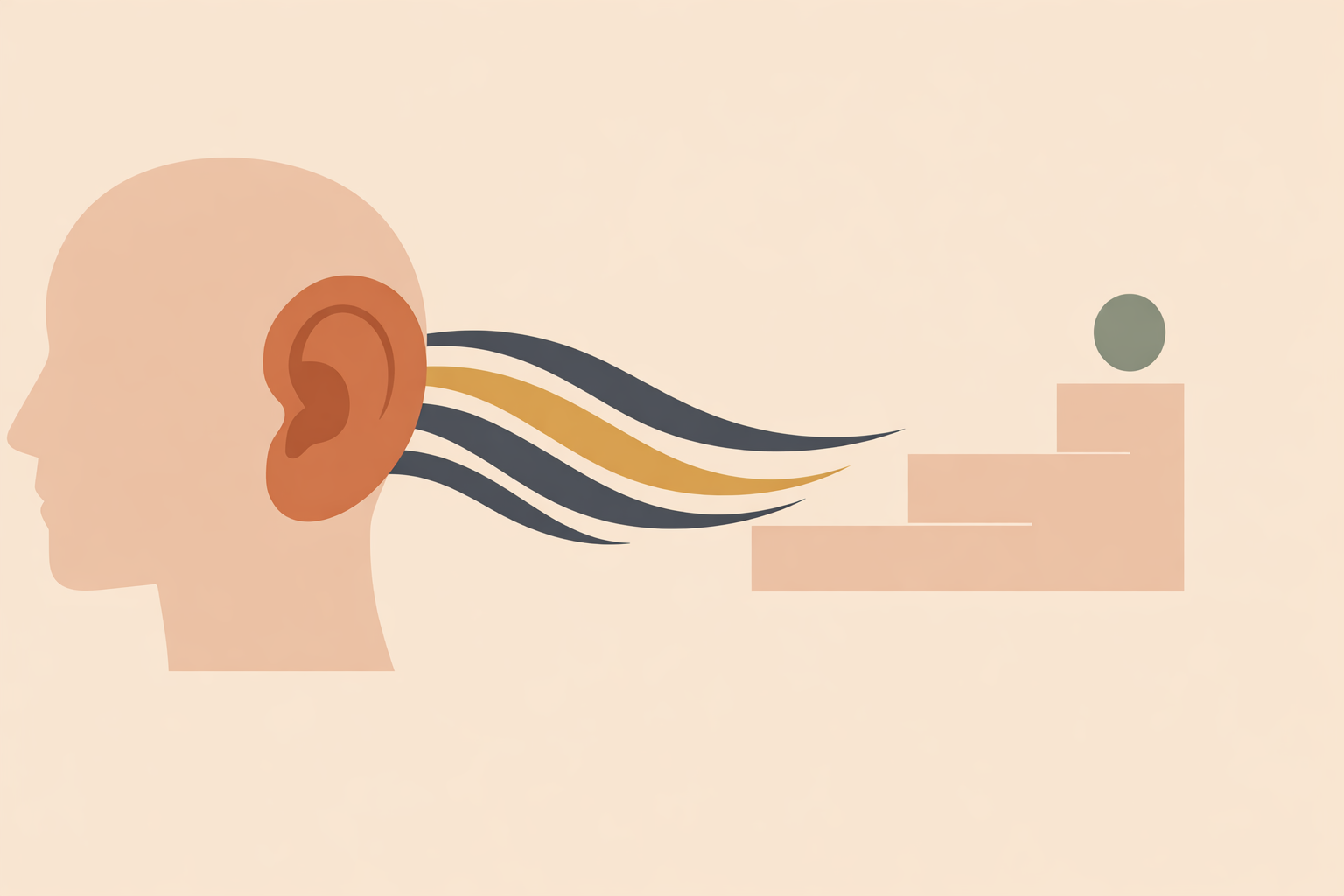
Before music can support, the room itself needs attention. Many homes hum with TV chatter, appliances, alerts, and overlapping voices. For a person living with dementia, that swirl can fragment attention and raise strain.
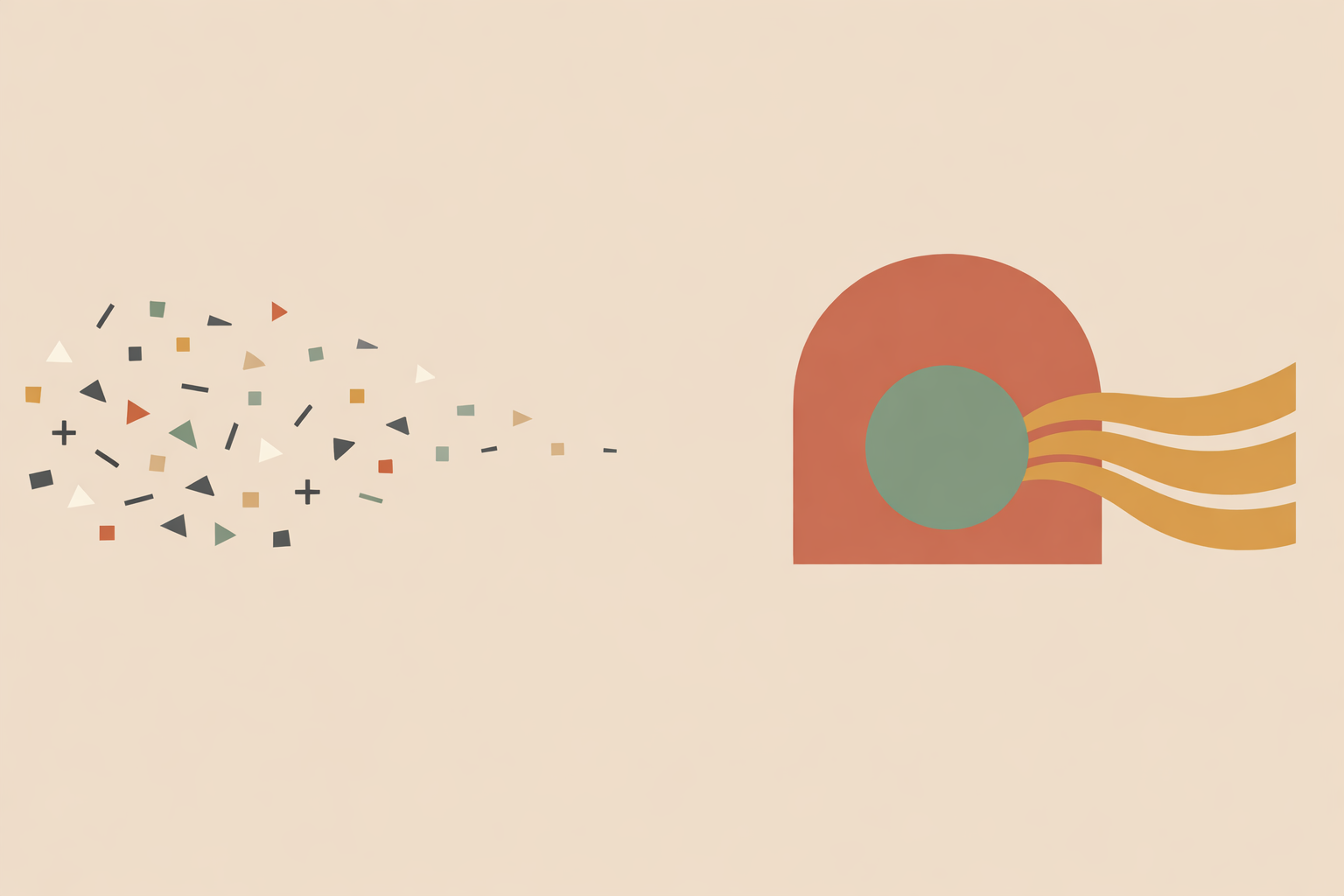
The first move is often subtraction. When you shift from accidental noise to one intentional, familiar track, the space usually becomes easier to settle into. Personalized music can reduce distress when it’s chosen and used thoughtfully.
I think of this as shaping a soundscape. A short morning song at breakfast can set a steadier rhythm. A soft instrumental before teeth brushing can cue the next step. A favorite chorus during handwashing can ease the sense of pressure and invite participation.
One composite example from practice: the kettle hisses, the radio chatters, and family voices overlap while someone begins to pace. We silence alerts, switch off the radio, and play one well-loved lullaby through a small speaker nearby. As the first verse lands, the body often tells you what words cannot: shoulders ease, breath slows, the room softens.
Concrete move: At a noisy hour, try this: “Let me turn the TV down so we can hear your song clearly.” Then play one familiar track and watch for changes in breath, face, or posture.
Step 2: Start with the person’s musical story, not a generic playlist
The useful question is not, “What is the best music for dementia?” It is, “What is their music?” Across practice and research, individualization matters more than choosing generic “oldies.” Identity, culture, faith, language, migration, celebration, grief, and family history all shape what feels safe and familiar.
Begin with curiosity and consent. Ask about singers, dances, instruments, radio shows, concerts, faith songs, work songs, wedding music, lullabies, and songs that felt like home. If the person enjoys it, invite them to hum a line or point to a familiar artist. Family insight can help, but it should not replace the person’s own preferences.
Music often opens the door to memory and connection. A hymn may bring back belonging. A folk song may reconnect someone to childhood or community. A dance track can reawaken rhythm even when conversation is harder.
Not every familiar song will feel good. Some carry grief, fear, or loss. Trial uncertain tracks gently during a settled time, then let the response guide you. If a song brings discomfort, retire it without debate.
Concrete move: Create a one-page musical snapshot with notes like:
- Salsa on Sundays with niece
- Marching songs good for walks
- Avoid one particular love song; brings sadness
Step 3: Create a quieter listening zone inside a busy home
Lower the noise floor before you press play. Turn off the television. Silence nonessential alerts. Step away from the washing machine, extractor fan, or clattering dishes. Close the rattling window if needed. This reset helps the music land clearly, instead of competing with the room.
In many homes, one clear audio source works best. A single, predictable speaker at a comfortable volume is often more supportive than music colliding with TV, phones, and multiple conversations. It also makes it easier to share the moment together.
Headphones can help in some situations, but they are not an automatic shortcut. They often need oversight, and for some people they increase discomfort or disorientation.
It also pays to watch for hearing changes. Hearing loss and tinnitus are common in later life, and they can shape how music feels. A track that seems gentle to you may feel harsh or intrusive to someone else. Check whether any hearing aid is comfortable and working well before deciding that the playlist is the problem.
Concrete move: Keep a small reminder card near the speaker:
- TV off?
- Alerts off?
- Volume low?
- One speaker only?
That tiny checklist can change the whole listening experience.
Step 4: Build short playlists for real daily moments
Skip the long “all day” playlist. Build a few short sets with a clear purpose: morning welcome, movement, quiet afternoon, personal care, reminiscence, evening wind-down.
Music supports best when it meets a real need in a real context. Personalized listening is often used around predictable flashpoints, and some protocols trial 20–30 minutes before a known trigger.
Start short. Ten to twenty minutes is often enough for a first session. You are not trying to fill time; you are checking fit.
Sequence matters too. Many practitioners use the Iso-Principle: match the person’s current energy first, then gradually guide it somewhere steadier. If someone is keyed up, beginning with a slightly more rhythmic familiar song and easing into softer material often works better than starting too slowly and losing them. The broader idea of using music to shape arousal is recognized, and it works best as a flexible practice tool.
Concrete move: An evening wind-down might look like this:
- An upbeat march they love
- A mid-tempo folk song they used to sing
- A slower instrumental from their faith or community tradition
Play it shortly before the usual restless period and observe what changes.
Step 5: Use music gently in everyday support and connection
Music can support daily routines without taking them over. During personal care, mealtimes, or transitions, a familiar song can bring rhythm, warmth, and a shared pace. Let the song lead, especially when the moment feels tight.
Sometimes music stays in the background. Other times it becomes active: singing, clapping, humming, swaying, or simply listening together. When spoken language becomes harder, music can offer an alternative communication route and help sustain connection, much like non-verbal communication more broadly.
Use reminiscence lightly. Ask simple questions such as, “Where did you hear this?” or “Who used to sing this with you?” Let the feeling matter more than factual correction.
Consent and dignity stay central. Music should not be used to override a clear no or to mask that something is wrong. If you notice withdrawal, grimacing, resistance, or unease, pause and reassess.
Concrete move: At tea time, try: “Shall we put on our kitchen songs while we set the table?” Then hum the first line as you pass a cup or napkin.
Step 6: Let response guide the next step
The body will usually tell you whether the music is helping. Signs of comfort may include a softer face, slower breathing, gentler movement, humming, eye contact, or easier participation. Signs of overload may include ear-covering, grimacing, faster pacing, verbal resistance, or a sudden shift in mood.
Keep a brief log so patterns can emerge. Across practice, many supporters notice changes quickly, and music-based work can bring immediate reductions in agitation during the listening period.
Adjust one element at a time: the track, the timing, the volume, the room, or who is present. That makes it much easier to learn what truly helped.
Concrete move: A simple note might look like this:
- Tue 3:40 pm
- Kitchen after walk
- Low volume, 9 minutes
- With daughter
- Sat down, smiled, sang two lines, asked for repeat
Over time, these small notes become a practical map.
Step 7: When music unsettles instead of soothes
If music increases distress, stop without argument. Lower the volume or switch it off. A gentle reset protects trust.
It also helps to remember that agitation is often a signal. Unmet needs such as hunger, thirst, tiredness, constipation, discomfort, fear, overload, or a need for the bathroom may matter more than the playlist in that moment. Reviews of agitation in dementia highlight unmet needs and show why music works best as one support among several.
Some people are especially sensitive to sudden loudness, dense musical textures, or certain frequencies. This can be even more relevant when hearing changes or tinnitus are part of the picture. In those cases, simpler arrangements and lower volume are often more comfortable.
Use a stepwise reset:
- Pause the music and reduce other noise
- Move to a quieter, well-lit space
- Check basics: thirst, hunger, bathroom, temperature, tiredness, discomfort
- Offer a non-musical option such as a short walk, a snack, fresh air, photos, or sitting quietly together
- Note what track, volume, and timing were in play so you can refine the plan later
Concrete move: If a new song brings tears, say, “Let’s take a break,” and shift to something simple like stepping outside for two minutes of fresh air.
From busy-household noise to playlists that truly support
Personalized music is most powerful when it stays simple, flexible, and easy to stop. The best playlist is the one that respects identity, fits the home, and responds to what is happening right now.
Done this way, music can support the individual and soften the atmosphere of the whole household. It can also strengthen moments of connection that words alone no longer reach, which is central to both brain health and person-centered dementia support.
Try one small experiment this week. Choose a single moment that is often bumpy, such as teeth brushing or the pre-dinner hour. Build a three-song set for that window, play it through one clear audio source, and note what you observe. If it helps, keep it. If it unsettles, change one element and try again another day.
In the end, the most reliable guide is respect: for the person’s story, for the household’s capacity, and for the signals you can see in real time. Keep it kind, keep it personal, and keep it responsive.
Explore the Dementia Certification Course
Build confident, person-centered support skills with the Dementia Certification Course, including music-based approaches for everyday care moments.
Explore the course →