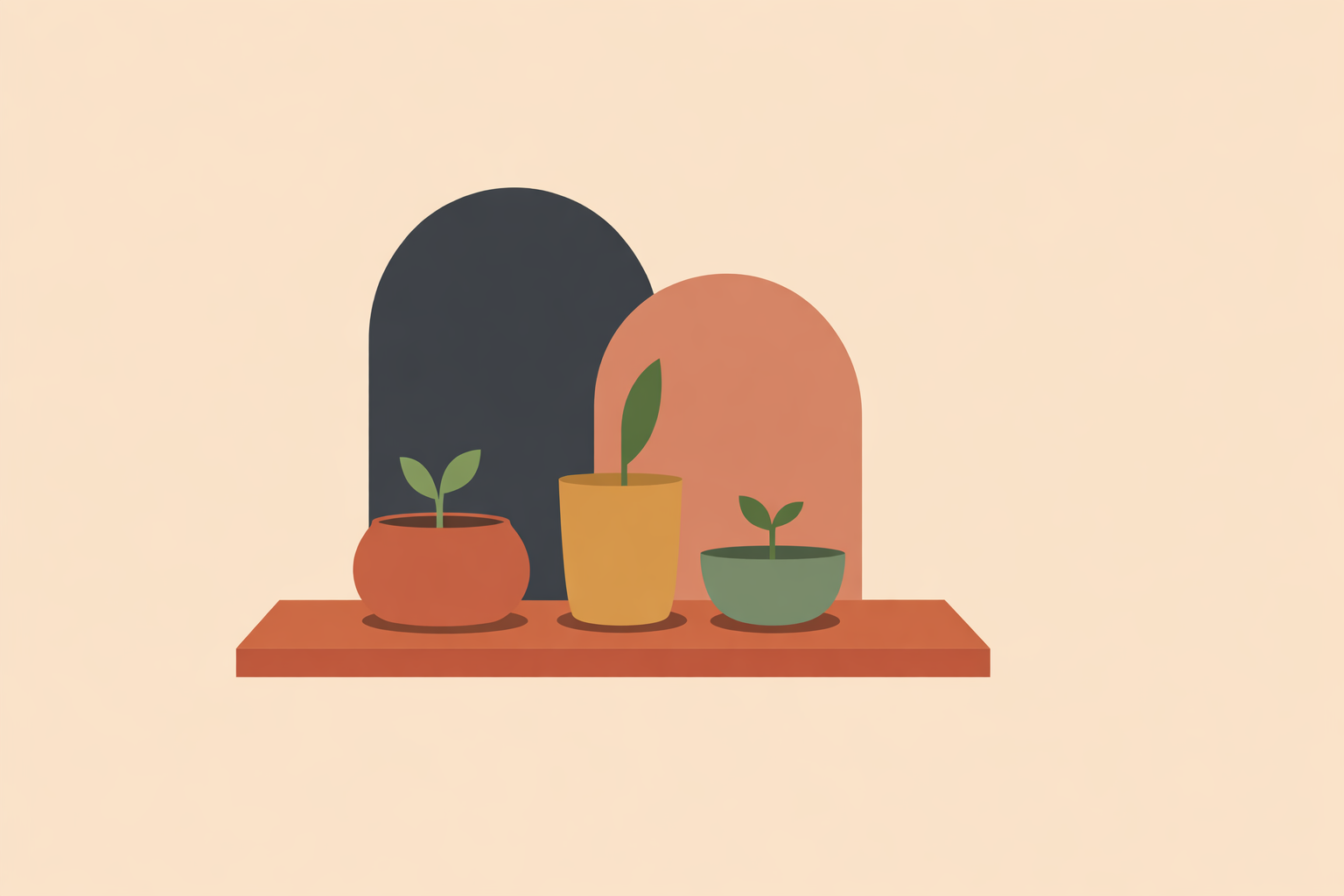
Anyone who leans on gardens for plant-based sessions runs into the same reality: weather changes plans, outdoor spaces get double-booked, and many institutions steer everything back to meeting rooms, classrooms, or office corners. Add short time slots, infection-control policies, mobility and sensory needs, and mixed groups that can’t easily move outside—and plant work gets postponed right when people could benefit from calm routine and hands-on care. Too often, “no garden” becomes a blocker instead of a design brief.
The good news: horticultural therapy–style work can travel. goal-oriented activities adapt beautifully to indoor life, so a computer room, apartment kitchen, office corner, or shared classroom can become a meaningful plant space. With small containers, cuttings, herbs, and micro-landscapes, indoor sessions can still support reduced anxiety and improved sleep, while giving participants something deeply practical: visible growth they helped create.
Key Takeaway: Indoor horticultural therapy–style sessions work best when you pair a clear, goal-focused plant task with a repeatable session arc and a portable setup. With sensory-rich materials and gentle pacing, almost any room can support calm attention, practical care skills, and visible growth participants can revisit between sessions.
Why indoor horticultural therapy-style sessions work
Indoor plant sessions work because the “medicine” is in the relationship: attention, gentle responsibility, and the steady rhythm of care. Many practitioners already know the most reliable setting isn’t a garden at all—it’s the room you can consistently access, week after week.
Portable plant work makes that consistency possible. Small pots, jars, seed trays, herb bundles, and tabletop landscapes are easy to store, set up, and repeat across groups. The activity itself holds the session together—sowing, watering, pruning, arranging, observing, then reflecting—so you’re not relying on a perfect environment to create a meaningful experience.
Indoor approaches are especially useful when outdoor access isn’t realistic. They can be effective with mobility limitations, which is exactly why they fit homes, offices, and shared rooms so well.
Even a modest shift—adding plants to a workspace—can change the feel of a room. In one example, students worked faster and reported lower stress when plants were nearby. Think of it like a quiet companion in the corner: it doesn’t demand attention, but it gently invites a steadier kind of focus.
Core principles for running plant sessions in any room
Indoor sessions don’t succeed because the room is special. They succeed because the work is well held—purposeful, sensory, and paced in a way that helps people settle.
1. Keep the activity goal-focused
Portable sessions land best when the plant task is real and complete in itself. Participants aren’t just “around plants”; they’re actively caring for them. That could look like rooting a cutting, potting an herb, building a terrarium, or making a pressed-leaf piece that carries meaning.
Traditional practice has long valued this kind of care work. Essentially, it asks something simple and honorable of us: notice closely, touch gently, make small decisions, and stay present long enough to see change.
2. Build a simple session arc
A repeatable structure makes indoor facilitation smoother and more portable. A short arc is usually enough:
- arrival and check-in
- guided hands-on plant work
- brief reflection
- clear closing and care plan
When this rhythm becomes familiar, participants can relax into it—and you can carry the same reliable session flow into different rooms without losing the thread.
3. Use sensory richness without overload
Plants naturally invite the senses: texture, scent, color, moisture, and shape. Indoors, the key is curation. A few well-chosen materials usually create more calm than a crowded table.
When planned thoughtfully, indoor horticulture can support reduced stress and more social connection. What this means is that creative, manageable tasks—like herb potting or terrarium-building—can still work well on low-energy days, because the senses help anchor attention without requiring lots of words.
4. Let the pace stay gentle
Plant care teaches a particular tempo: unhurried, attentive, and quietly communal. Indoors, that gentleness matters even more. A few moments of silence while pressing soil, smoothing a leaf, or watching roots in water can be as supportive as any discussion.
Modern findings often echo what elders and long-time facilitators have observed for generations: regular plant connection can strengthen well-being over time. One review notes it alleviates concerns, while many practitioners would simply say people often feel more settled, more engaged, and more capable when they have an ongoing relationship with living things.
How to set up a portable plant space
Think modular and easy to reset. The best indoor setup is the one you can carry in, arrange quickly, and clear away without stress.
- small pots, jars, or shallow trays
- stackable bins for tools and materials
- cloths or mats to soften sound and define each workspace
- labels and pencils
- a towel or tray for drips and soil crumbs
- a few sturdy plant choices rather than too many options
If you want a simple sensory corner, keep it light and predictable:
- scented herbs such as mint, rosemary, or lemon balm
- textured leaves and varied shapes
- neutral backgrounds to reduce visual noise
- natural fibers or soft cloths for tactile comfort
Some people also enjoy the freshness plants bring to indoor environments. Certain houseplants can remove VOCs from indoor air, but it’s wise to keep expectations grounded. In most real rooms, the bigger impact is often atmosphere: a living focal point that encourages care, attention, and a calmer pace.
Script 1: Water-rooted cuttings for grounding and hope
A cutting in a clear jar is humble and profound. Root growth becomes visible, and that visibility gently teaches patience. It’s also one of the easiest options for low-resource settings.
Materials
- healthy cuttings such as pothos, coleus, spider plant, or rosemary
- clear jars or small bottles
- labels and pencils
- water pitcher
- small towel or tray
Water propagation is beginner-friendly: simple, low-cost, and easy to follow over time.
Session arc
- Arrival: Invite a few slow breaths while holding the cutting.
- Hands-on care: Trim below a node, place in water, and label the jar.
- Reflection: Ask, “What did you notice?” or “What might support this cutting over the next week?”
- Closing: Set a care rhythm for water changes and observation.
This works because the task is clear, tactile, and naturally future-facing. Participants leave with a living process they can return to.
Script 2: Tabletop herb garden for stress release
Aromatic herbs invite presence quickly. They’re familiar, useful, and reassuring—scent and practicality in one small pot.
Materials
- small pots or one divided shallow tray
- herbs such as lavender, mint, thyme, rosemary, or lemon balm
- potting mix
- small scoops or trowels
- labels, stones, or sand if desired
Session arc
- Arrival: Invite each participant to choose the herb they feel drawn to.
- Planting: Pot the herb slowly, noticing scent and texture.
- Sensory pause: Rest hands around the pot and take a quiet breath.
- Closing: Name one moment in the coming week when this herb might remind them to pause.
This format suits offices and shared rooms because it’s compact and easy to maintain. Put simply, it travels home well—participants can weave the experience into daily life instead of leaving it behind in the session.
Script 3: Mini-terrariums and dish gardens for attention restoration
Terrariums and dish gardens create a self-contained landscape. They’re absorbing without being demanding, which helps when stamina is low or attention is scattered.
Materials
- glass jars, bowls, or shallow dishes
- gravel or pebbles
- potting mix
- small plants suited to the container
- stones, bark, shells, brush, or tweezers
Session arc
- Arrival: Show a completed example and invite a restful image or memory.
- Build: Layer materials and place plants slowly.
- Pause: Spend a minute or two quietly looking at the finished landscape.
- Closing: Share a simple care plan and a daily moment to return to it.
These compact creative tasks often bring a satisfying sense of completion in one sitting. They can also support more social connection as people swap ideas and admire each other’s small worlds.
Script 4: Pressed-plant collage for reflection and storytelling
When soil or water isn’t practical, pressed-plant collage offers a low-mess doorway into plant connection. It’s gentle, symbolic, and easy to adapt.
Materials
- pressed leaves and petals
- cardstock
- glue sticks or tape
- soft brushes
- optional colored pencils or simple frames
Session arc
- Arrival: Choose one leaf or petal that reflects how you arrive today.
- Compose: Arrange pieces into a card or small image.
- Reflect: Share a title, a phrase, or a brief meaning.
- Closing: Choose where the piece will be kept or displayed.
This approach is especially helpful where spaces need to stay clean, quiet, or low-sensory. It also makes room for memory, ancestry, and symbolism without pressuring anyone to share more than they want to.
Adapting indoor plant sessions for different groups
The best script is the one that fits the room you actually have. Indoor work becomes more inclusive when you adjust pace, sensory load, task complexity, and how much choice you offer.
- For high-energy groups: herb potting or simple planting can channel movement well.
- For quieter groups: water-rooted cuttings invite steadiness and continuity.
- For low stamina: terrariums offer a satisfying endpoint in one sitting.
- For no-mess settings: pressed-plant collage keeps the session accessible.
It also helps to tune the session to age, energy, and culture:
- Younger participants often enjoy quick, visible change.
- Older participants may appreciate larger labels, lighter tools, and more tactile comfort.
- Low-energy days call for shorter arcs and more pauses.
- Culturally responsive work invites familiar kitchen herbs, family plant memories, or household rituals into the room.
That last point matters. Plant work becomes more grounded when it honors people’s own lineages of care, rather than importing symbols or “nature” narratives that don’t belong to them.
Safety, accessibility, and cultural respect
Indoor sessions stay supportive when the setup is thoughtful from the start. Before you begin, check for fragrance sensitivity, allergies, mobility needs, and tool comfort. Offer gloves, low-odor options, seated and standing choices, and a clear opt-out for any step.
Clean materials and tidy workstations matter in shared rooms. Keep tools easy to handle, protect surfaces, and give plain, step-by-step instructions so participants can relax into the doing.
Cultural respect is just as important as practical setup. Acknowledge the roots of plant knowledge, invite people to share their own traditions if they wish, and avoid lifting rituals, language, or symbols out of context. Aim for less performance and more genuine relationship—with plants and with each other.
Bringing these scripts into your regular practice
Portable plant work belongs in studios, classrooms, offices, and home spaces. Start small: one script, one room, one rhythm you can repeat. A lunch-hour cutting circle, a weekly herb table, or a short terrarium session after a demanding day can become a steady anchor.
You don’t need elaborate materials to create real impact. You need a clear session arc, living materials that invite care, and the confidence to treat “no garden” as a creative constraint—one that can actually sharpen your facilitation.
In the end, keep it relational. Traditional plant care is slow, kind, and communal, and modern research often reflects what practitioners have long seen in real life. Even in a rented meeting room or a sunlit office corner, indoor formats can make space for presence, care, and meaningful change over time, much like real sessions in other nature-based practices.
Go Further with Nature & Outdoor Therapy
Bring your portable plant sessions into wider practice with the Nature & Outdoor Therapy learning path.
Explore Nature & Outdoor Therapy →