Many practitioners are trained to follow content: ask sharper questions, pursue insight, and document goals. In high-arousal moments, that default can backfire. A client arrives keyed up or shut down, you press for clarity, and the session tightens. Insight lands, but the body does not shift. The bottleneck is often state.
Polyvagal Theory becomes most useful when it’s translated into actions a client can actually do in the room. The seven micro-skills below start with state awareness and build outward into co-regulation, sensory support, optional breath, and small embodied shifts. Each one is brief, consent-led, and well suited to coaching, yoga, bodywork, and other non-clinical support settings.
Key Takeaway: Effective polyvagal-informed practice turns state-first awareness into small, repeatable actions. Start by mapping state in the moment, then use voice, posture, sensory grounding, optional breath, glimmers, titration, and micro-movements to support more presence, choice, and connection.
Micro-Skill 1: Map State in the Moment
Before advice or analysis, map what is happening now. When the body has language for its current pattern, options open.
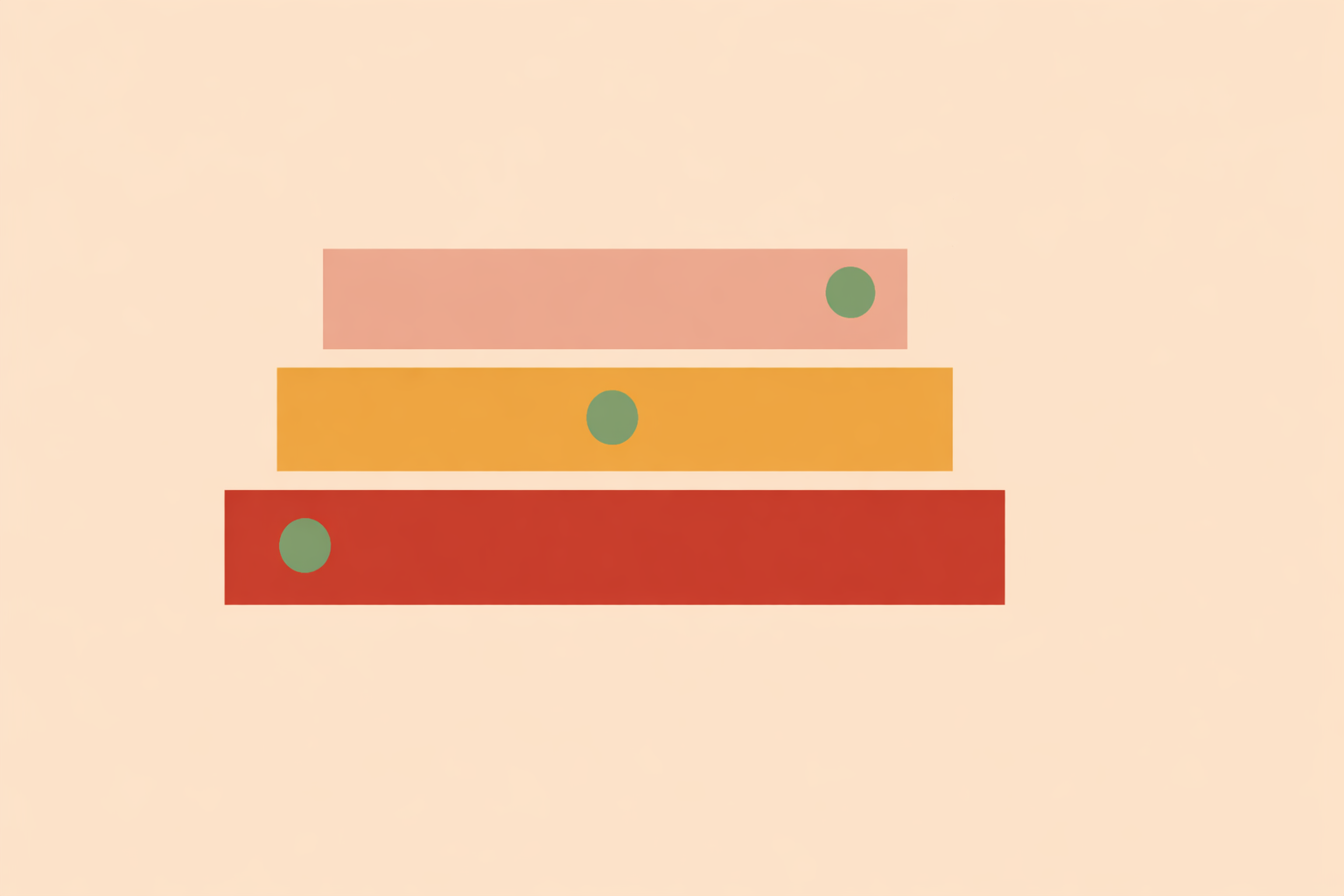
A simple three-rung ladder works well: Ventral for connected and curious, Sympathetic for mobilized and urgent, and Dorsal for flat, heavy, or far away. Name the rung first. Details can come after.
When people can name state, they’re often less likely to fight their bodily reactions and more able to work with them. This is autonomic literacy: recognizing patterns without moralizing them.
Keep the check-in short:
- “Top, middle, or bottom?”
- “What are two body cues you notice?”
- “What would help you feel 5% more present?”
Over time, brief body scans can sharpen this skill. Research suggests body scans can improve interoceptive awareness, helping people notice subtle shifts earlier rather than only once they’re fully overwhelmed.
Make the map concrete in your notes: “Session start: sympathetic—chin forward, shallow breathing. Aim: 5% more presence.” One clear line keeps the work practical and observable.
Micro-Skill 2: Lead With Voice, Face, and Posture
Your first intervention is often your presence.
A practitioner’s voice, facial expression, and posture can support regulation before any formal exercise begins. Many clients register grounded warmth before they can track instructions. A steadier pace, softer eyes, and an open posture often communicate “safe enough” faster than explanation.
Aim for alert and kind. Useful cues include:
- A warm, melodic voice
- A slightly slower pace without sounding sleepy
- Soft eyes rather than fixed eye contact
- Relaxed shoulders and planted feet
Clients often mirror this nonverbally. You may notice their speech slow, their shoulders drop, or their breathing soften without asking for any of it.
Repairs matter just as much. Research on alliance suggests rupture repair supports better outcomes, and that includes the tiny, in-the-moment misattunements.
One simple line can be enough: “I think I sped up. Let me slow down and stay with you.”
As you go, keep tracking changes in face, posture, and vocal tone. These cues offer a real-time read on ease, effort, withdrawal, or engagement, much like nervous system regulation notes in session.
Micro-Skill 3: Orient and Ground Through the Senses
When activation rises, let the room help.
Gentle orienting through head and eye movement can refresh the body’s safety scan without demanding calm. Looking around slowly helps the system update to present-time conditions.
Try a simple 90-second sequence:
- See: notice three steady objects
- Feel: press into feet, seat, or back support
- Hear: name one neutral or pleasant sound
Sensory conditions matter too. Lighting, sound, texture, and scent can support engagement or keep someone braced. Small adjustments often create a noticeable difference.
This is especially important with neurodivergent clients. A recent study found many autistic adults report discomfort with fluorescent lights and can also experience eye contact as physically or emotionally depleting.
Offer choice. Swap bright overheads for lamps. Reduce visual clutter. Let the client sit, stand, or angle their body where they feel most supported. Grounding works best when it fits the person.
Simple tools can help: textured fabrics, a smooth stone, a weighted cushion, or a familiar scent chosen by the client. Used respectfully and with cultural care, ordinary sensory supports can become reliable anchors.
Micro-Skill 4: Offer Breathing as an Invitation
Breath can shift state when it’s offered gently and remains optional.
Breathing support often works best as an invitation rather than a demand. Some people love a slower rhythm or a longer exhale. Others settle more easily when attention stays on sight, sound, or physical support and breath is left alone.
Keep it small:
- Ask permission first
- Offer two or three rounds, not ten
- Let eyes stay open if that feels easier
- Check what changed, even if the answer is “nothing”
A simple script might sound like this:
- “Would you like to try a short breath practice?”
- “In for 4, out for 6, just two or three times.”
- “Did anything shift by 5%?”
Many traditions have long used chanting, prayer, song, and breath-led movement to support steadiness. If a client already has a meaningful practice from their own background, it often makes sense to work with that.
Direct breath focus is not right for everyone. During panic, dissociation, or respiratory sensitivity, vagus nerve regulation techniques may begin more comfortably with external orienting as the better doorway.
Micro-Skill 5: Track Glimmers and Build Tiny Rituals
When a brief moment of ease appears, slow down enough to notice it.
Many practitioners use the word glimmers for micro-moments of connection, relief, beauty, or belonging. They may last only a second: sunlight on a wall, warmth from a mug, a kind message, a dog passing by. These moments can become dependable entry points back toward connection.
You don’t need to make them grand. Name the glimmer and stay with it for a breath or two.
A daily rhythm might look like this:
- Morning: notice one thing you are looking forward to
- Midday: name one pleasant or steady sensation
- Evening: recall one moment that brought ease or warmth
Keep a simple log if useful:
- “Birdsong—jaw softened”
- “Warm tea—shoulders dropped”
- “Friend’s text—chest felt lighter”
Over time, this builds familiarity with supportive states. Many practitioners find tiny rituals are more sustainable than dramatic practices, and they gently train attention toward what helps.
Across cultures, such rituals already exist: lighting a candle, singing before meals, touching the earth, offering gratitude, stepping outside at dawn. Invite clients to draw from what is already meaningful in their own lives and lineages.
Micro-Skill 6: Titrate and Pendulate in Small Doses
Trying to push through activation often creates more overwhelm. A steadier approach is to touch activation lightly, then return to support.
This is the essence of titration and pendulation. Titration means approaching sensation, memory, or intensity in the smallest workable dose. Pendulation means moving between activation and resource rather than staying inside one state too long.
A simple sequence:
- Ask: “Would you like to notice that tightness for 10 seconds?”
- Track: “What do you notice in your throat, chest, or belly?”
- Return: “Now feel your feet and name one thing you see.”
- Check: “What changed by 5%?”
The aim is flexibility, not endurance.
Defensive states are adaptive responses. Fight, flight, and freeze are not personal failures. They are old forms of protection, and the work is to meet them respectfully rather than force them away.
With repetition, people often build more capacity to approach intensity without becoming consumed by it. In session, that usually looks like less stuckness and more choice.
Many ancestral practices already carry this rhythm naturally: grief and song, effort and bowing, movement and rest, story and silence. When clients recognize the pattern in their own traditions, the skills tend to land more easily.
Micro-Skill 7: Invite Somatic Completion Through Micro-Movements
Sometimes the body wants to finish a response it had to interrupt.
This may show up as a wish to turn away, push back, reach out, or step forward. In a support setting, it doesn’t need to be dramatic. A tiny, voluntary movement done slowly and with choice is often enough.
Try this sequence:
- “What does your body want to do: turn, push, reach, or step?”
- “Let’s try 10% of that movement.”
- Pause after a few seconds.
- Notice breath, jaw, eyes, and shoulders.
These small completion movements can create meaningful state shifts. Signs may include a fuller exhale, warmer hands, more color in the face, or brighter eyes. Treat these as practical cues that something has softened or reorganized.
Keep the frame respectful. Defensive responses were adaptive, and supporting completion in a safe, measured way can open more room for connection and agency.
Movement can also be culturally rooted. Familiar gestures, bows, prayer postures, martial forms, or traditional dance shapes may already carry a sense of coherence and safety. Where appropriate, let clients source movements from what is already theirs.
Polyvagal Practice as a Living Toolkit
These seven micro-skills create a practical arc: map state, lead with presence, use the senses, offer breath gently, notice glimmers, work in small doses, and allow tiny completion movements when needed. Together, they make sessions more collaborative, embodied, and easier to carry into everyday life.
In non-clinical settings, polyvagal-informed work shines as education, coaching, and experiential practice. People learn to read their own cues, build supportive rituals, and develop language for patterns that once felt confusing or fixed, whether through trauma and emotional healing study or more focused polyvagal therapy training.
It’s also worth staying open-minded. Polyvagal Theory has inspired many valuable tools, and some parts of the model remain debated. That doesn’t reduce the usefulness of careful observation and consent-led practice.
Close with what consistently works: keep it human, let your voice and posture communicate “safe enough,” and let practices stay adjustable. Small steps are enough. Over time, those small shifts often become the foundation for a steadier way of meeting life. For safety, keep breath and movement optional, prioritize choice, and encourage clients with intense or persistent distress to seek appropriate professional support, especially in trauma and emotional healing contexts.
Train in Polyvagal Therapy
Deepen these state-first micro-skills with the Polyvagal Therapy Certification.
Explore Polyvagal Therapy →