Many gut-support plans begin with subtraction: remove foods, follow a restrictive list, add a supplement, and hope things settle. In practice, that can create a different kind of strain. Food variety shrinks, worry around eating grows, and the original discomfort still rises and falls with stress, sleep, pace of eating, and daily rhythm.
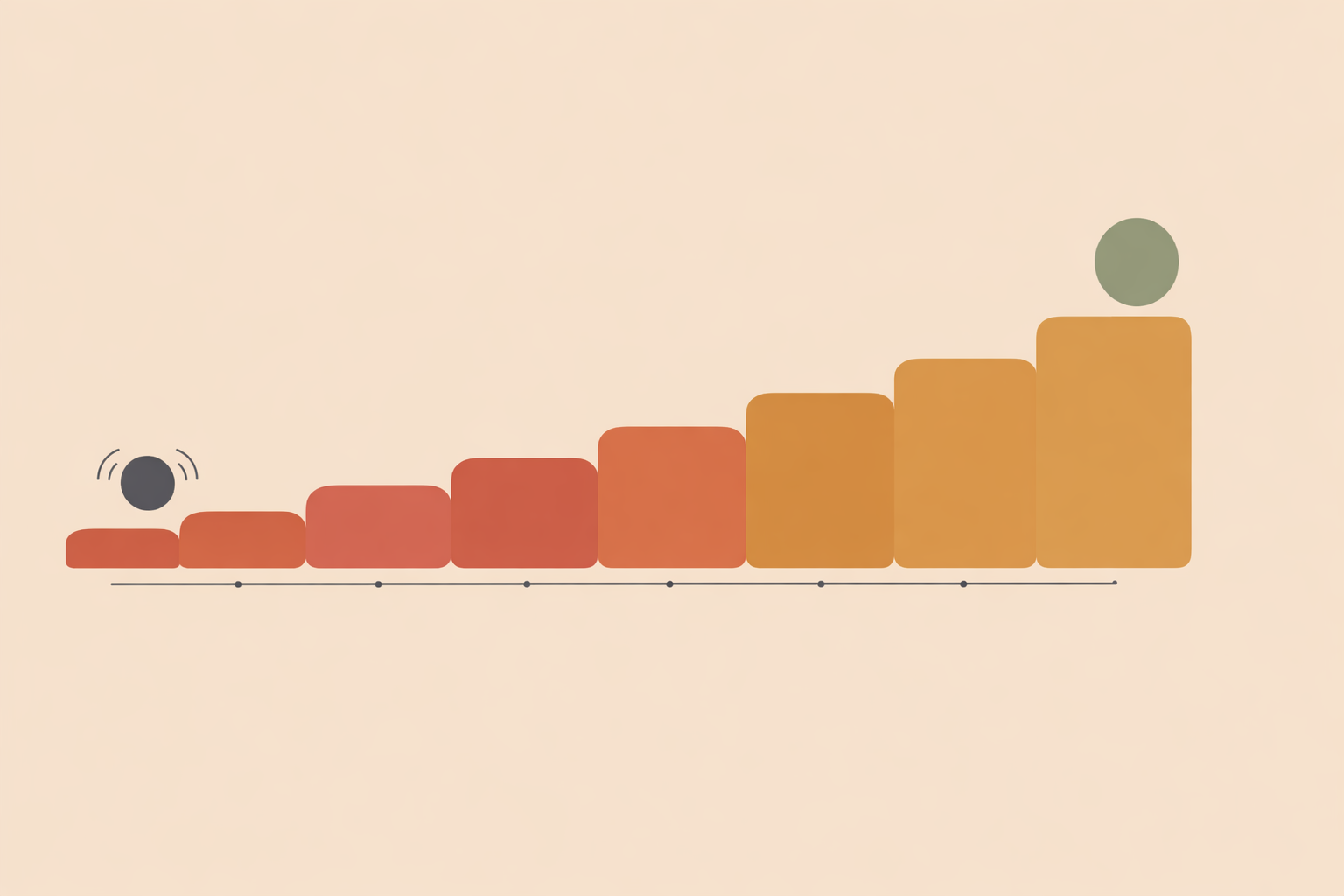
A steadier approach is to build foundations first. Before testing triggers, support rhythm. Before making food smaller, make the day calmer and more consistent. Across seven weeks, the aim stays practical: create a clear baseline, feed the microbiome gently, improve digestive rhythm, test patterns without fear, and keep only the practices that truly help.
Key Takeaway: Gut support works best when you stabilize daily rhythm first, then layer changes one at a time. Start with symptom mapping and simple calming practices, add gentle plant diversity, support regularity with hydration and movement, introduce fermented foods in small amounts, test triggers systematically, use supplements and herbs selectively, and finish with a minimal routine that feels sustainable in real life.
Week 1: Map the Pattern and Calm the System
Start by observing before changing too much. This week is about seeing clearly so later changes make sense.
Keep familiar meals in place so your baseline is easier to read. Track:
- meal timing
- bloating, urgency, reflux, abdominal discomfort, and stool form
- sleep quality
- stress levels
- movement
- supplements
- cycle phase, travel, or unusually demanding days
A simple three-part log works well:
- what you ate or what was happening
- what you felt afterward
- what else may have contributed
For example: “Lunch: bean and rice bowl. Response: 3/10 gas. Context: ate quickly after a tense meeting.”
This is also the week to calm the background noise. The brain–gut axis can influence digestive sensitivity and motility, so pace, sleep, and daily pressure often shape the response as much as the meal itself.
Choose two anchors and keep them simple:
- 3 to 5 minutes of slow breathing before your largest meal
- a consistent lights-out time
By the end of the week, you are not looking for a final answer. You are looking for a usable map.
Week 2: Add Gentle Plant Diversity
Now shift from restriction to nourishment. Instead of removing more foods, add small amounts of plants you already enjoy or usually tolerate.
More plant diversity gives gut microbes more material to work with. In turn, they produce short-chain fatty acids that help support the gut barrier and overall digestive balance.
Keep portions modest. One new plant a day is enough. Think in spoonfuls, not big servings:
- 2 tablespoons of lentils added to soup
- a few slices of kiwi after lunch
- soft-cooked carrots with olive oil
- oats with stewed fruit
- a small spoonful of chia in porridge
Cooked textures are often easier to begin with than large raw salads or bran-heavy meals. Soluble-fiber-rich foods such as oats, barley, chia, legumes, and psyllium are often gentler than rougher fibers.
A Mediterranean-leaning eating pattern can be especially supportive because it tends to encourage microbial diversity and beneficial fermentation. In real life, though, this should still look like your food, not someone else’s ideal plate. Congee, dal, beans and rice, millet porridge, stewed greens, plantains, or vegetable soups all fit beautifully here.
If symptoms rise sharply, don’t force the increase. Hold the newest addition steady, reduce the portion, or switch to a softer cooked form.
Week 3: Restore Digestive Rhythm
With more food variety coming in, support the rhythm that helps the gut move well day to day.
Regular meals, gentle movement, hydration, and a calmer nervous system often make a visible difference in practice. Even when the menu is solid, irregular pacing can keep digestion unsettled.
Two easy supports:
- a 10-minute walk after meals
- a glass of water on waking and again later in the day
Many people notice less bloating and more regular bowel patterns when these habits are consistent.
Then tailor fiber to the pattern in front of you:
- If stools are slow or dry: emphasize oats, psyllium, cooked vegetables, and consistent meal timing.
- If stools are loose: avoid large jumps in fiber, keep portions steady, and watch common aggravators such as caffeine, sugar alcohols, and very rich meals.
- If gas rises quickly with fiber increases: choose cooked foods over raw and increase more gradually.
Keep the calming anchors from Week 1. A few minutes of breathing before lunch, followed by an easy post-meal walk, often helps meals land more comfortably.
Week 4: Introduce Fermented Foods in Small Amounts
With a steadier base in place, you can begin layering in traditional fermented foods. Many cultures have relied on fermentation for generations to support digestion and food resilience, and that practical wisdom still holds value.
The key is regularity and restraint. Focus on small, food-based amounts that fit naturally into meals.
Good starting points include:
- 1 to 2 tablespoons of sauerkraut or other fermented vegetables
- 1/2 cup of yogurt or kefir
- 1 to 2 teaspoons of miso stirred into warm broth
Increase only after several steady days.
Research on fermented foods is still evolving, but interest remains strong because they may help shape microbial activity and dietary diversity. In everyday practice, they’re often useful allies when introduced gently and matched to the person.
Choose forms that suit the individual:
- mild sauerkraut instead of spicy kimchi
- plain yogurt instead of sweeter flavored options
- small amounts of miso rather than stronger ferments
If someone is especially sensitive, start with teaspoons rather than tablespoons.
Week 5: Test Triggers Without Creating Food Fear
By now, your notes should show patterns. This is the point to test them calmly, one variable at a time.
Don’t assume a food is the whole story. Portion size, speed of eating, stress, combinations of fermentable foods, and sleep debt can all change the response to the same meal.
Instead of saying “I can’t tolerate chickpeas,” a more useful question is often: was it the chickpeas, the portion, the rushed lunch, or the whole context?
Use single-variable experiments:
- test one food
- keep the portion consistent
- keep the rest of the meal simple
- compare a calmer day with a more rushed day
If fermentable carbohydrates seem to be a major pattern, a structured low-FODMAP process can help some people short term. The important part is reintroduction. Long restriction can reduce microbial diversity and lower exposure to prebiotic foods, so the goal is personalization, not permanent narrowing.
Supportive language matters here. Use “more tolerated,” “less tolerated,” or “worth testing,” rather than “good” and “bad” foods.
This phase can also affect emotional steadiness. Evidence is promising that dietary support may influence mood through gut–brain communication, microbial metabolites, and immune signaling, even as the science continues to mature.
Week 6: Use Supplements and Herbs Selectively
Supplements and herbs can be useful, but they work best as fine-tuning rather than the foundation.
By this stage, food rhythm, plant diversity, hydration, and movement should already be in place. Only then does it make sense to trial extras with real clarity.
Keep every trial simple:
- choose one support at a time
- set one main outcome to watch
- use a clear timeline
- stop if there is no meaningful benefit
Probiotics are a good example. One clearly labeled product, taken consistently, is easier to evaluate than multiple products layered together.
Digestive enzymes can also be worth testing when there is a specific reason for using them. Broad enzyme stacks without a clear rationale often add cost without improving clarity.
L-glutamine is commonly used in gut-support spaces for intestinal resilience and cell nourishment, but it is not a universal answer and should be approached thoughtfully.
Traditional herbs also have a place here when used with respect and good observation. Common examples include:
- peppermint tea after meals for upper abdominal discomfort
- ginger infusion for queasiness
- chamomile for a gentler settled feeling
- demulcent herbs such as marshmallow or slippery elm for soothing support
These are best matched carefully to the person, their preferences, and what they are already using.
Stay grounded: food and daily rhythm still do most of the heavy lifting.
Week 7: Keep the Smallest Effective Set
This final week is about simplification. The goal is a routine you can actually live with.
Look back at the starting point and compare it with now:
- symptom scores
- stool form and regularity
- food variety
- meal rhythm
- sleep and stress patterns
- confidence around eating
Then keep only what is clearly helping, and let the rest go.
A useful template is:
- three daily anchors
- two weekly practices
- one review date
For example:
- Daily anchors: a fiber-rich plant at each meal, a short post-meal walk, slow breathing before lunch
- Weekly practices: fermented foods a few times per week, one batch-cooked staple such as lentils or beans
- Review date: re-score symptoms in four weeks and adjust one habit if needed
Your ongoing food pattern can stay simple and familiar. A Mediterranean-leaning style is broadly supportive for many people, but it should be adapted to culture, budget, ethics, and appetite. The point is to create a repeatable rhythm with enough variety to support both the person and the microbiome.
The smallest effective set should leave someone feeling steadier in digestion, energy, mood, and ease around food.
Conclusion: Build Ongoing Gut Stewardship
These seven weeks are not about perfection. They are about building a stable relationship with food, rhythm, and feedback from the body.
In everyday life, progress often looks like fewer bloating flares, steadier bowel habits, better sleep, more confidence with meals, and a calmer baseline overall. That’s the lived experience most people are actually looking for.
Within a coaching scope, the role is to support food skills, reflection, behavior change, stress regulation, and sustainable routines. If someone experiences red-flag concerns such as blood in stool, black stool, unexplained weight loss, persistent vomiting, fever, ongoing dehydration, severe pain, or a sustained new change in bowel habits, encourage appropriate professional support alongside habit-based guidance.
Research in this field continues to evolve, including work on gut–brain communication, personalized nutrition, fermented foods, barrier function, and metabolite signaling. At the same time, long-standing traditional systems have consistently treated digestion as central to vitality. A thoughtful modern practice can hold both: respect for ancestral wisdom and openness to emerging evidence.
Keep what works. Release what does not. Revisit the log from time to time. Gut support is built through steady, informed stewardship.
Train in Gut Health Practice
Apply this seven-week framework with confidence in the Gut Health Practitioner Certification.
Explore the Certification →