Practitioners hear the same question again and again: “My friend had Pranic Healing—how is that different from Reiki?” Most people aren’t asking to compare traditions for sport. They want to know what the session will feel like and which approach fits their needs today.
Key Takeaway: Reiki and Pranic Healing often show up in the same holistic spaces, yet they offer distinctly different session experiences. Reiki is typically hands-on or hands-near, shaped by attunement, presence, and allowing. Pranic Healing is usually no-touch, more structured, and centered on scanning, cleansing, energizing, and stabilizing. Both aim to support balance and well-being, but they feel different in practice. Clear language, strong consent, and respectful comparison help clients choose with confidence.
Why clients ask about Reiki vs Pranic Healing
This question is common because both modalities are offered in similar settings—private sessions, workshops, and retreats—so people naturally want clarity before they book.
It also comes up because many practitioners cross-train. You might start with Pranic-style scanning and clearing, then close with Reiki for a softer finish. When someone feels that shift, they want words for what’s happening.
Underneath it all is a practical question: what fits right now? Reiki often suits those who want gentleness and quiet rest. Pranic Healing often suits those who like clear structure, sequencing, and a more technical feel.
Simple script: “Both Reiki and Pranic Healing work with subtle energy in support of balance and well-being. Reiki usually feels gentler and more restful. Pranic Healing often feels more like clearing and re-energizing. We can choose based on what feels right for you today.”
Different roots and philosophies
These systems share a theme, not a single lineage. Their differences come from how they developed and how practitioners are trained to engage with energy.
Usui Reiki traces back to Japan in the early 1920s. Its foundation is contemplative: self-practice, presence, attunement, and channeling universal life energy through quiet attention.
Pranic Healing emerged later as a systematized approach associated with Master Choa Kok Sui. In practitioner culture, it’s known for energetic anatomy, aura work, a chakra-based framework, and repeatable steps you can apply consistently.
Reiki is typically practiced as allowing energy to move where it’s needed. Pranic Healing is commonly framed as clearing congestion first, then building freshness and vitality back into the system.
Client-friendly phrasing: “Reiki grew from a meditative, hands-based tradition. Pranic Healing developed as a structured, no-touch energy system. Both can be deeply supportive, but they move in different ways.”
Hands-on or no-touch: what sessions usually look like
The most visible difference is touch.
Reiki usually involves light touch or hands held just above the body. Many descriptions of Reiki include light touch or hands hovering nearby, and sessions often feel slow, spacious, and quietly held.
Pranic Healing is commonly taught as non-touch, with the practitioner working in the energy field around the body rather than placing hands directly on it.
That choice changes the whole atmosphere. Reiki can feel especially supportive for someone who relaxes with stillness and gentle contact. Pranic Healing often appeals to people who prefer physical space and clear energetic boundaries.
Consent matters more than any label. A steady practitioner names the options plainly and lets the client choose, with no pressure.
Consent script: “Would you prefer light touch, hands-above only, or a completely no-touch session today? We can also change that at any point.”
Channeling and allowing vs scanning and cleansing
A helpful short explanation is this: Reiki leans toward channeling and allowing, while Pranic Healing leans toward scanning, cleansing, then energizing.
Pranic Healing schools commonly teach a clear rhythm: scan, cleanse, energize, stabilize. Practitioners use detailed scanning of the aura, and Pranic Healing is widely described as working with the body’s energy field in a no-touch way.
Reiki typically feels less directive in how it’s applied. Training centers on attunement and the capacity to channel energy through presence, and broad educational descriptions highlight attunements as part of how students are prepared to work.
In session, this often translates to a different texture: Pranic Healing tends to feel deliberate and sequential, while Reiki feels receptive and intuitive. Many practitioners value both approaches for different moments.
Metaphor that works well: “Reiki is like watering a garden and letting the water go where it’s needed. Pranic Healing is more like clearing the beds first, then feeding them.”
How training culture feels different
The contrast becomes even clearer when someone studies both systems.
Reiki education is often taught in three levels, with attunements at each stage. The path commonly includes self-practice, ethics, meditation, hand positions, and a gradual deepening of energetic sensitivity.
For many, Reiki also becomes a daily practice. It supports steadiness, presence, reflection, and personal evolution beyond the session room.
Pranic Healing training often feels more technical from the beginning. Students learn scanning, sweeping, chakra-focused protocols, energetic hygiene, and sequences designed to be repeated consistently.
Some students thrive through ceremony, self-practice, and intuition. Others thrive with a clear map and precise steps. Many eventually blend the strengths of both.
What clients often feel during and after a session
Most clients care less about origin stories and more about experience: what it feels like during the session and what they might notice afterward.
With Reiki, people often report warmth, deep calm, and a sense of settling. General summaries frequently associate Reiki with reduced stress and support for overall well-being, which matches what many practitioners observe. Some clients also notice improved sleep later that night.
With Pranic Healing, clients often describe coolness, breeze-like sensations, or a distinct awareness around energetic centers during sweeping and clearing. Many report feeling lighter and mentally clearer afterward. A published discussion noted improved well-being among participants, aligning with long-held practitioner experience.
Practice-based writing on Pranic approaches also describes increased vitality and a greater sense of ease in the body, though individual responses vary.
After-care sentence: “Drink some water, keep your day a little lighter if you can, and notice any shifts in mood, sleep, or overall clarity over the next day or two.”
How to explain the difference clearly and ethically
When someone asks which is better, the most helpful response is practical: it depends on what kind of support they want and how they prefer to receive it.
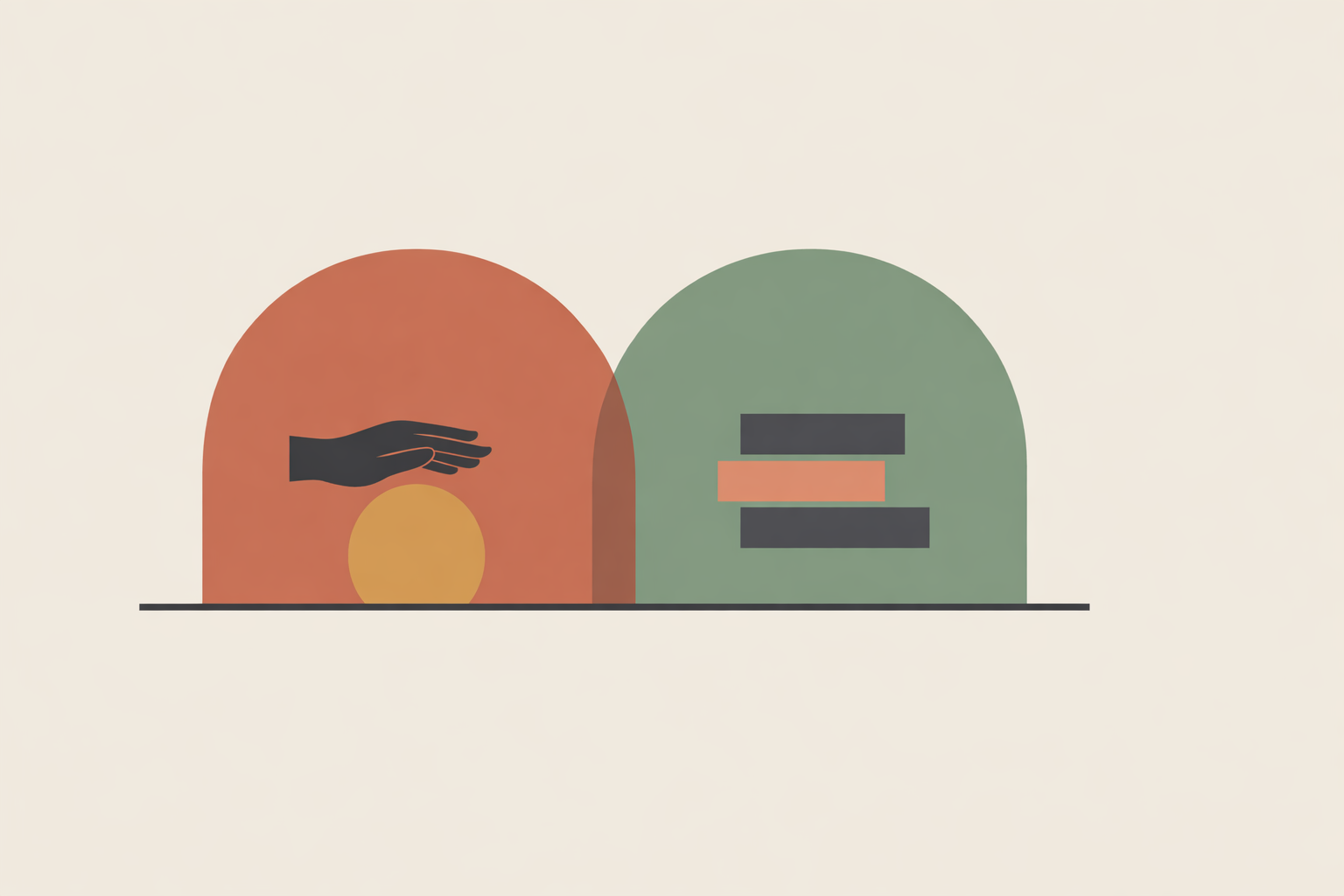
Keep the description simple—style, touch level, and the likely feel. Reiki: gentle, grounding, receptive. Pranic-style work: no-touch, structured, clearing. That’s usually enough for a client to orient quickly.
If you blend modalities, say so plainly before you begin. If you only offer one approach, name that with the same clarity. People relax when they know what to expect.
It also helps to keep promises realistic. Focus on support for relaxation, balance, clarity, and settling, then let the client’s experience speak for itself.
- One-line website blurb: “I offer Usui Reiki as gentle hands-on or hands-near energetic support, and I may also offer Pranic-style no-touch clearing for clients who prefer a more structured approach.”
- Intake option: “Session preference today: light touch, hands-near only, no-touch only, or decide together.”
- Short comparison: “Reiki tends to feel more restful and inward. Pranic-style work often feels more like clearing and refreshing.”
- Email reply: “Neither is universally better. Reiki is often chosen for softness and deep settling, while Pranic Healing is often chosen for structure and no-touch support.”
Closing perspective
Clients don’t need a debate. They need a calm explanation and a practitioner who can guide a good choice.
Reiki and Pranic Healing both sit within subtle energy traditions, yet the session experience differs. Reiki is commonly more touch-based, receptive, and contemplative. Pranic Healing is commonly more structured, no-touch, and focused on clearing before energizing.
Over time, a practitioner’s explanation usually gets simpler because their pacing, presence, and consent language get stronger. If someone asks, “Reiki or Pranic Healing?” a clear answer can stay grounded: “Let’s choose the kind of support that fits you best today.”
Explore Reiki Master Certification
If Reiki’s receptive approach resonates, Reiki Master Certification helps you deepen your practice and language for sessions.
Explore Reiki Master →