Warm-water sessions can be deeply supportive, especially when they follow a clear sequence. Without structure, the pool can become a pleasant pause: people often move more freely in water, then lose that ease once they return to land. Heat can also drain energy, and small oversights around entry, exits, and pacing can quietly undo an otherwise strong session.
A stronger approach treats thermal water as a co-facilitator. When a session moves through preparation, gradual immersion, gentle mobilization, progressive functional practice, and integration back onto land, comfort is more likely to translate into usable change.
Key Takeaway: Thermal mobility work is most effective when it follows a five-phase structure rather than simply repeating land-based drills in warm water. Preparation sets safety, temperature, hydration, and intention. Immersion allows the body to settle into warmth, buoyancy, and hydrostatic support. Gentle mobilization uses small, confidence-building movements. Progressive movement turns ease into practical patterns such as stepping, rising, walking, and balancing. Integration helps the person carry those gains back into daily life through a careful exit, reflection, and brief on-land practice.
Step 1: Preparation for Warm-Water Mobility
The session starts before anyone enters the pool. Good preparation often determines whether the water feels grounding or overwhelming.
Start with the environment. Walk the route, check rails and surfaces, and set up an entry that feels unhurried. In warm-water spaces, most poolside risks come from ordinary moments: wet tiles, rushed transitions, and divided attention.
Next, consider hydration and heat tolerance. Warm immersion can place extra demand on the body, and increased heart rate during immersion helps explain why some people tire faster than expected. Encourage a drink beforehand, keep the temperature moderate, and plan rest from the beginning.
For mobility-focused work, choose warmth that supports ease without tipping into heaviness. Comfort beats intensity here, and hotter is not always better.
Finish preparation by setting one clear intention: turning the head more easily, standing with less bracing, or walking with a steadier rhythm. One aim keeps the session coherent and makes progress easier to spot.
- Path to pool clear and steady
- Rails and supports checked
- Water and room temperature considered
- Hydration encouraged
- One movement goal named
With these basics in place, the water can do what it does best: support movement without unnecessary friction.
Step 2: Gradual Immersion and Early Settling
The first minutes in the pool should be deliberate. A gradual entry gives the body time to adapt to warmth, pressure, and buoyancy, and it gives the practitioner a chance to notice how the person is arriving that day.
This phase is about settling, not “doing.” Warmth and buoyancy often invite softer breathing, less shoulder gripping, and more willingness to explore small ranges.
Keep expectations grounded, too. A pleasant soak can feel freeing in the moment, yet one review found no effects on muscle function after hot-water immersion. Many practitioners recognize this pattern: warmth opens the door, and purposeful movement is what helps the change stick.
It also helps to remember that guarded or anxious people rarely relax because of temperature alone. Trust usually grows through pacing, clear cues, and choice, much like in blue therapy.
- Enter in stages rather than all at once
- Pause to notice breath and body tone
- Use simple sensory cues
- Watch for signs of overheating or fatigue
A useful opening cue is: let the water hold some of your weight, and notice where you can do less.
Step 3: Gentle Mobilization to Rebuild Trust in Movement
Once the person has settled, begin with small movements. This is where many sessions shift from forcing to listening.
Choose quiet, precise actions: ankle circles, knee bends, supported hip opening, slow shoulder rolls, easy trunk rotation, or light pelvic movement while holding the rail. These aren’t filler. They help the person experience motion without bracing and show you which areas are ready for more.
Confidence often returns before range does. A few gentle repetitions can change the tone of the whole session, especially for someone who arrived uncertain.
Keep the dose modest. The aim is availability, not fatigue. Warm environments can already feel taxing, and cardiovascular strain is one reason some people overheat even when the movements look light.
Watch closely for what creates ease: slower pacing, smaller range, more support, or a different depth. Those observations should drive what happens next.
- Use small, supported movements first
- Stay within comfortable effort
- Prioritize confidence over volume
- Notice where movement quality improves
By the end of this phase, the body should feel more available, not more worked.
Step 4: Progressive Movement That Builds Practical Carryover
Now the session can move toward patterns that matter in daily life. This is where water-based ease becomes useful.
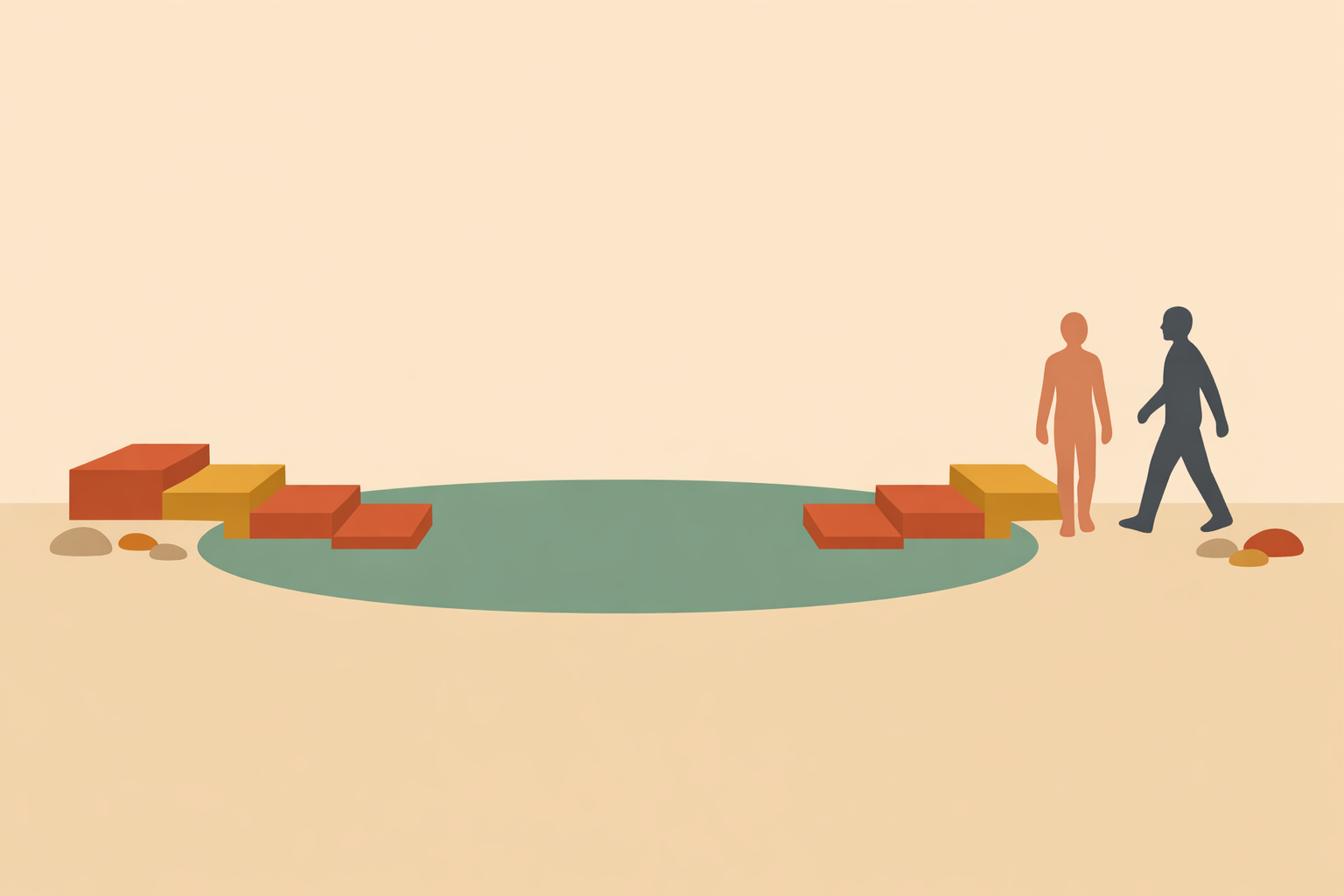
Select movements that map clearly to life outside the pool: step-ups, sit-to-stands from a bench, forward and sideways walking, turning, reaching, and balance tasks near a rail. The water offers support while still giving feedback, so people can practise coordination and weight transfer with less fear of impact.
Progression works best when it’s intentional. Improvement models consistently emphasize structured progression when the goal is carryover. Decide what you want to be easier after the session, then build toward it.
A short functional block might include:
- Sit-to-stands from a pool bench
- Supported step-ups
- Forward, backward, and lateral walking
- Brief balance holds with head turns
Keep quality high and volume sensible. The goal is success that survives contact with land.
Step 5: Integration Back to Land
The closing minutes often decide whether the session becomes a nice experience or a useful one. Integration should be deliberate.
Start with the exit. Coach a steady pace, a supported climb out, and a brief pause once standing. Reintroducing gravity can feel surprisingly demanding after warm immersion.
Then identify what remains easier. Ask for one specific change the person can feel now: easier turning, softer knees, less hip bracing, smoother standing, or a calmer walking rhythm. Naming the shift helps them carry it forward.
Follow with one or two brief land-based repetitions of the exact pattern you want to keep. If the pool work focused on standing, practise a real stand. If it focused on stepping, use a low step or a short hallway walk.
Documentation matters here as well. Notes that only describe comfort miss the real value. Stronger records focus on functional progress so it’s clear what changed and what to build on next time.
- Support the exit with patience
- Pause to notice changes on land
- Rehearse one practical movement
- Record the change in clear, observable language
This is how warm-water work becomes more than a temporary sense of relief.
Making Warm-Water Sessions More Cohesive
A well-run session has a clear arc: prepare, settle, mobilize, progress, integrate. Each stage has its own role, and each one sets up the next.
This structure prevents common pitfalls. It reduces the urge to overuse heat, helps avoid early fatigue, and turns the pool into an active setting for change. It also aligns beautifully with long-standing water traditions: people do best when they feel safe, paced, and guided toward movements that matter in their real lives, whether in nature and outdoor therapy or pool-based work.
Used this way, thermal water supports confidence and practical movement evolution, not just relaxation.
Conclusion
Warm water can open the body, soften effort, and create a felt sense of possibility. Lasting value usually comes from structure, not warmth alone.
When sessions move through preparation, gradual immersion, gentle mobilization, progressive functional practice, and careful integration back to land, the pool becomes a place where change is rehearsed rather than merely felt. The work stays humane and responsive to the person in front of you.
A few cautions belong in every practitioner’s mind: watch for overheating and fatigue, keep entries and exits unhurried, and build rest into the plan from the start. With that foundation, this five-phase sequence brings clarity and consistency to warm-water support while honoring the wisdom of water-based traditions.
Explore Blue Therapy Certification
Build structured warm-water sessions with confidence in the Blue Therapy Certification.
Explore Blue Therapy →