APD coaching can easily turn into a long list of “try this” ideas: sit closer, ask for notes, use earplugs, switch on captions. It sounds efficient in a session, yet in day-to-day life it often becomes trial-and-error. Effort stays high, fatigue builds, and it’s hard to know what’s actually working.
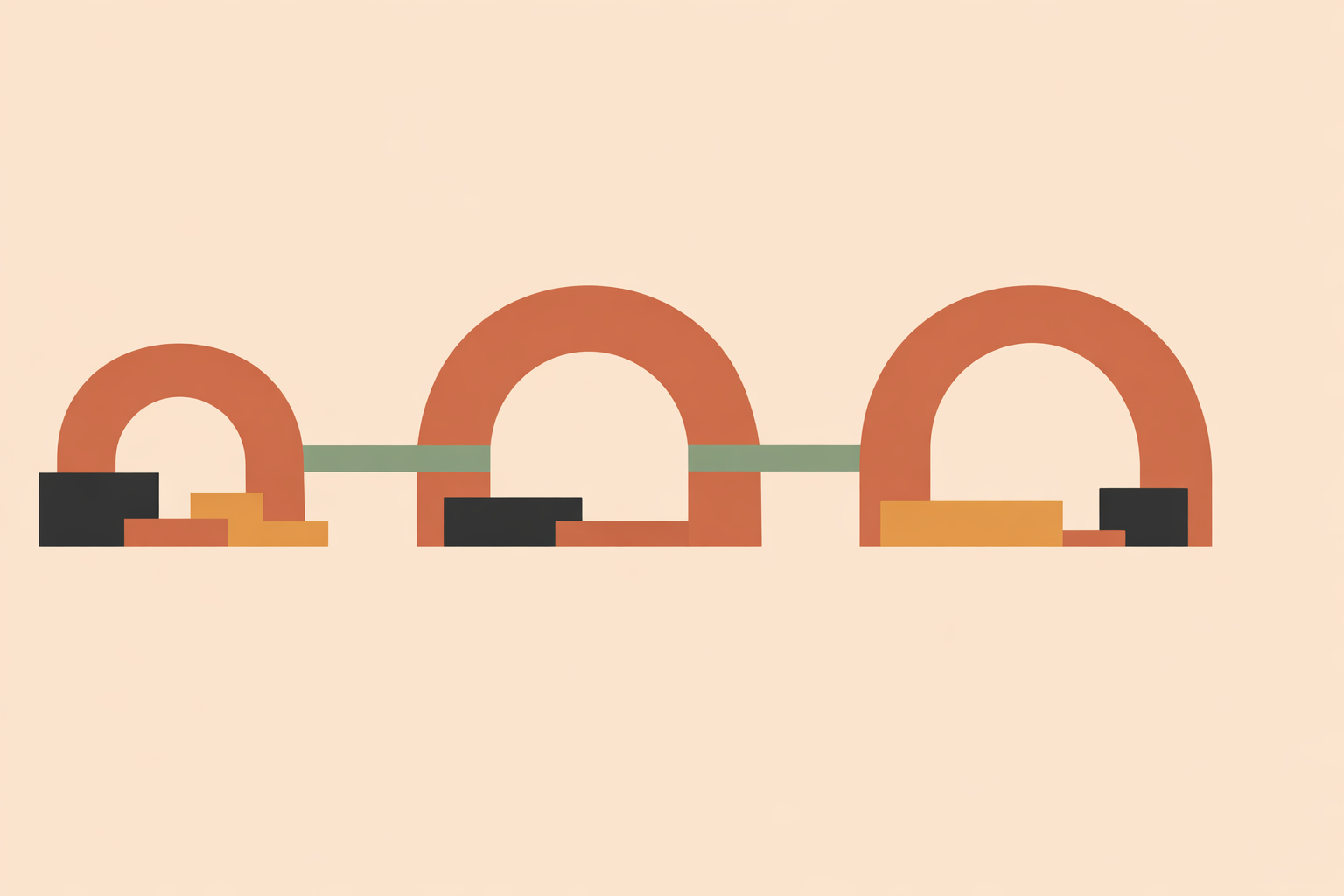
A steadier approach is to make listening visible. An ear–brain–environment map turns everyday moments into a clear picture of what increases listening load and what reduces it. Instead of locating the “problem” in the person, you start seeing the relationship between sound conditions, processing demands, and context. That shift changes both the plan and the tone.
Key Takeaway: Ear–brain–environment maps give APD coaching a clear, repeatable structure. They help you organize listening patterns across sound, processing, and context; test supports without overwhelm; track progress in practical ways; and keep your work grounded in well-being, access, and self-advocacy.
Use the ear–brain–environment lens to shift blame off the person
This approach changes the story quickly. A client may arrive saying, “I’m just bad at listening.” Three circles on a page often turns that into a more useful question: what is heavy about this situation?
In the Ear circle, note what affects clarity: echo, competing voices, vent hum, music bleed, or distance from the speaker. In the Brain circle, track pace, memory demands, complexity, and pressure to respond quickly. In the Environment circle, include seating, sightlines, captions, lighting, and social norms like interruption and cross-talk.
This structure prevents false trails. If understanding improves with clearer sound, slower pacing, better sightlines, or captions, the pattern often points to auditory constraints rather than “not trying hard enough.”
It also highlights strengths. Maybe the client does well one-to-one, inside predictable routines, or when key points are written down. Those details show the conditions where listening becomes workable, so you can build from what already supports success.
A neurodiversity-affirming perspective supports this way of working. It encourages us to see difficulty not as a personal flaw, but as a mismatch between the person and the environment.
Regulation fits naturally into the map. Listening shifts with state: when a person feels settled and safe, speech is often easier to follow; under pressure, effort rises and meaning drops away faster. That gives you another practical direction for support by shaping conditions around the effort.
For example, instead of “I can’t follow phone meetings,” the map might show: no sightlines in Environment, dense pacing in Brain, and masking background hum in Ear. From there, next steps are concrete: captions, a written agenda, and a quieter space.
Turn lived listening into a map clients will actually use
Start with one ordinary week. Gentle noticing is enough; you don’t need perfect tracking to find a usable pattern.
First, gather real moments with a repeatable listening log. Ask the client to record:
- time and place
- task or conversation type
- number of speakers
- background sounds
- effort score from 0 to 10
- what helped recovery afterward
Next, use prompts that draw out the differences that matter most:
- Do words feel faint, blurred, or crowded?
- Is it hard to pull one voice from many?
- Does the message disappear a few seconds later?
- Do you need extra time before responding?
- Does visual access change how well you follow?
Then track state cues alongside listening load. Some clients notice jaw tension, shallow breathing, fixed posture, eye strain, or an urge to withdraw. These cues connect effort to the whole moment, not to motivation myths.
Now draw the three circles and fill them with specifics from the log.
- Ear: “Echoey room,” “AC vent hum,” “Two voices at once,” “Volume fine but clarity poor”
- Brain: “Fast topic shifts,” “Too many names and dates,” “Need 5–10 seconds to answer”
- Environment: “Can’t see faces,” “No captions,” “Door open to hallway,” “Cross-talk expected”
Finally, add one or two experiments beside each item. Keep them small and testable: move a chair for better sightlines, switch on captions, pause between points, close a door, choose a quieter corner, or share bullet points before a meeting.
Traditional and embodied supports can also belong on the map when they genuinely match the person’s life: rhythm, humming, time in nature, or a brief walk before a demanding listening block. Offer these as options to explore, then let the client’s experience decide what stays.
In shared spaces, a few changes are especially reliable: slower pacing, written key points, and choosing “softer” rooms with less echo. These often improve access more than people expect, whether you’re building neurodiversity coaching skills broadly or focusing on APD support.
Use the map in sessions to reduce listening load in real time
Keep the map visible while you work. The session becomes a place where clients can notice the felt difference between high-load and lower-load communication.
Start with the Environment circle: face each other, reduce background noise, choose a smaller room for complex topics, and improve sightlines. Removing environmental barriers often brings the fastest relief.
Then work the Brain circle. Slow delivery, offer one idea at a time, and pause before expecting a response. Put key words in writing or on a shared note. These universal design moves help most people, and they can be especially supportive for APD.
Finally, support regulation. A brief quiet pause, a few eyes-closed breaths, a soft gaze out the window, or a short walk can interrupt overwhelm and make re-engagement easier. Many practitioners also find that pacing focused listening with short recovery breaks helps normalize listening as something that deserves rhythm.
A simple checklist can help:
- Improve sightlines and reduce competing noise
- Use captions or written key points when helpful
- Keep to one speaker at a time
- Slow pace and pause between ideas
- Build in short quiet or movement resets
Over time, these in-session shifts become teachable patterns. A client can start saying, “When the pace slows and I can see the key words, my effort drops.” That becomes solid groundwork for self-advocacy.
Track progress with simple metrics clients can understand
Progress becomes easier to trust when clients can see it. The map doesn’t need complex data, just a few steady measures that reflect real life.
One useful option is a listening load score: effort rating (0–10) multiplied by minutes. It’s a straightforward way to compare the “cost” of different situations across weeks.
You can also track load-capacity balance. Before a demanding listening task, ask how much capacity the client has that day. When capacity is low and expected load is high, it’s a clear signal to add support, reduce demand, or reschedule when possible.
Another practical metric is breakdown frequency: missed meaning, stalled responses, needing repetition, or quiet withdrawal. If those moments drop after adding captions or written bullet points, that’s meaningful progress.
Support testing matters too. Change one variable at a time, like seat location, captions, cadence, number of speakers, or adding a short reset break. This keeps the feedback clean and helps clients trust what they’re noticing.
After a month, the story often looks like lower meeting load, fewer breakdowns, and less recovery time needed after work or study. When the invisible becomes visible, confidence tends to rise with it.
Keep your APD work ethical and scope-aware
The map helps with boundaries. It keeps your work focused on communication access, daily functioning, energy awareness, recovery planning, and self-advocacy without drifting into roles you don’t hold.
When you explain your lane clearly, clients usually feel safer. You’re not there to label, prove, or promise. You’re there to shape listening conditions, reduce unnecessary effort, and build strategies that work in everyday life.
At times, some signs call for support beyond coaching alone. Sudden hearing loss, ear pain, dizziness or vertigo, drainage or blood from the ear, recent head or ear trauma, or visible obstruction are important red flags.
In those moments, keep language calm and clear. Name that your work focuses on listening access and day-to-day support, and that these signs deserve prompt outside attention. That protects both the client and your scope.
Most of the time, you won’t need heavy caution language throughout. Clear boundaries, stated early and followed consistently, are enough.
Use maps to strengthen collaboration and self-advocacy
Ear–brain–environment maps travel well beyond sessions. They create neutral language clients can use at school, work, and at home.
That matters because many people get pulled into debates about whether their listening difficulty is “real.” A map shifts the conversation toward observation: what happens in specific conditions, and what changes make communication easier?
Collaboration often improves because the requests become practical. Instead of asking others to accept a label, the client can point to patterns like: noisy rooms increase effort, sightlines help, written bullet points improve follow-through, and cross-talk raises load.
The same map can support self-advocacy scripts such as:
- I follow best with one voice at a time.
- Bullet points help me track the main ideas.
- Short pauses help me contribute.
- Can we move to a quieter space for this part?
Role-playing these lines inside mapped scenarios can make a real difference. Rehearsal often lowers anxiety and improves follow-through because the request has already been practiced in context.
For practitioners, mapping also becomes a recognizable style of support. Clear visuals, steady follow-up, and respectful collaboration build trust, and that trust tends to carry your work forward.
Bring ear–brain–environment mapping into everyday practice
At its best, mapping brings compassion and structure together. It organizes what the client is living through, highlights what can change, and keeps sessions grounded in practical support.
It adapts easily across ages. Children might use colors, faces, or symbols for effort. Adults often prefer detailed notes and a few simple metrics. In both cases, the guiding question stays consistent: what raises listening load, and what makes participation more workable?
Let the map evolve with life. Update it when seasons change, when work or school demands shift, or when home routines change. Listening load lives inside real contexts, and support works best when it keeps pace.
Ear–brain–environment mapping helps clients reduce listening load, build sustainable strategies, and ask for kinder communication conditions with more confidence. Draw the three circles, gather a week of noticing, and test one thoughtful adjustment. Often, that’s enough to start a meaningful shift toward APD coaching that is both practical and scope-aware.
Advance APD Coaching Skills
Apply ear–brain–environment mapping with more confidence in the Auditory Processing Disorder Coach Certification.
Explore the APD Certification →