When clients ask how meditation reduces stress, the most helpful answer is usually the simplest: it changes the pause between trigger and reaction. Most people aren’t looking for a technical lecture. They want to know whether they’ll feel less overwhelmed, whether they can stay steady, and whether the practice feels doable in real life.
Key Takeaway: Meditation can reduce stress by helping people notice activation earlier and respond with more awareness, steadiness, and choice. A strong practitioner explanation starts with empathy, describes stress in simple body-based terms, defines meditation as attention training, and shows how breath, posture, and awareness can soften reactivity in real time. The clearest teaching stays grounded, respectful of traditional roots, and honest about both benefits and limits.
Explain Stress in Simple, Body-Based Terms
Most people know stress through the body first: a tight jaw, shallow breathing, a buzzing chest, a mind that narrows around threat.
Clear language helps. The body has automatic systems that adjust alertness, breathing, heart rate, and energy based on what feels demanding or unsafe. In the short term, activation can be useful; over time, persistent activation wears people down.
Meditation becomes practical right here. It trains earlier detection and a softer response through attention, posture, and breath. Research summaries link mindfulness with down-regulation of stress-related activation, and traditional teaching has emphasized the same lived truth for centuries: awareness creates space, and space creates options.
Keep it embodied. A brief check-in is often enough:
- Notice the shoulders.
- Unclench the jaw.
- Feel the feet.
- Let the next breath arrive without forcing it.
Clients usually understand this because they can feel it. Meditation becomes the skill of recognizing “I’m getting switched on,” then meeting that state with less struggle. Over time, that supports stress recovery and a steadier return to balance.
Clarify What Meditation Is and What It Is Not
Many beginners assume meditation means stopping thoughts. That idea sets them up to feel frustrated almost immediately.
A clearer definition: meditation is attention training. You choose an anchor, notice when attention moves, and return with less force and more kindness. The return isn’t a mistake; it’s the repetition that builds the skill.
Offer a few approachable styles so people can find a fit:
- Focused attention: staying with one anchor such as breath, sound, or sensation.
- Open monitoring: noticing thoughts, emotions, and sensations as they arise without getting pulled into each one.
- Loving-kindness: repeating simple phrases of goodwill toward oneself or others.
It also helps to normalize wandering. You might say: “When you notice you were thinking, that is a moment of awareness. Nothing has gone wrong. Just return.” For many beginners, gently labeling distraction as “thinking” reduces the shame they carry about having an active mind.
That’s often the first major shift: the practice stops being a performance and becomes a relationship with attention.
Give One Clear Explanation: Meditation Changes the Pause
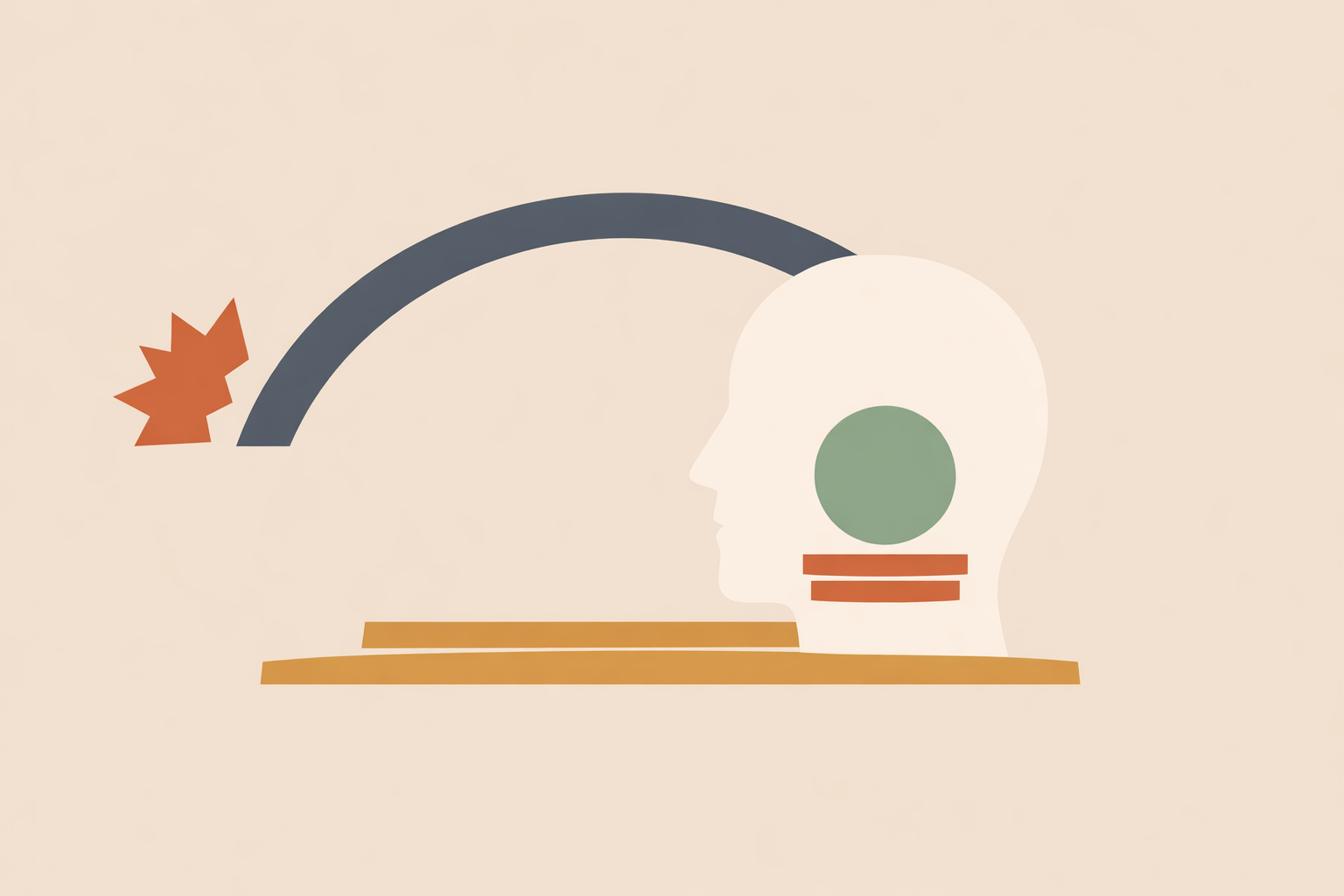
If you want one answer clients remember, make it this: meditation changes the pause between trigger and reaction.
In everyday terms, it helps people catch stress earlier. Instead of being pulled straight from stimulus into habit, they notice what’s happening while it’s happening. That extra moment is where choice returns.
Mindfulness research suggests it may support more adaptive responses rather than purely automatic ones. In real life, it often sounds simple:
- “I notice my chest is tight.”
- “My mind is writing a worst-case story.”
- “I don’t need to answer from this state.”
Another part of the shift is metacognitive awareness: seeing thoughts as thoughts instead of facts. Reviews describe metacognitive awareness as recognizing mental events as passing experiences. That recognition alone can loosen the grip of stressful interpretations.
Breath matters because it gives attention something immediate and tangible. Many practitioners find that, when comfortable, a slightly longer exhale supports steadiness. A cue like “let the exhale soften and lengthen a little, only if that feels easy” is often plenty.
Picture a familiar moment: a tense message arrives late at night. The body tightens, the mind rushes ahead. Meditation in that moment is noticing the tight jaw, the fast heart, the urgent story, and then taking the pause: feet on the floor, one softer exhale, and a clear choice to reply later rather than react now.
That’s how meditation reduces stress in real life: it builds freedom inside the moment.
Honor Traditional Roots While Using Research Carefully
Meditation didn’t begin as a quick fix. It comes from contemplative traditions that developed sophisticated ways of training attention, steadiness, compassion, and insight over time. Stress support through meditation becomes stronger when those roots are acknowledged with real respect.
Many newcomers also appreciate modern evidence as a point of orientation. Used carefully, research can inform without overselling. Broad reviews suggest mindfulness-based approaches can support stress-related well-being and may influence autonomic regulation over time.
The strongest approach is balanced: traditional knowledge, lived practice, and evolving research can sit side by side without competing.
A respectful summary might sound like this: “These practices have deep roots, many people find them supportive, and research is still clarifying where they help most and for whom. We’ll focus on what you can feel and apply in your own life.”
This tone keeps the work grounded and avoids hype. Meditation offers real support, and it also meets each person differently depending on their history, environment, and season of life.
Turn the Explanation Into Everyday Stress Examples
Clients understand meditation fastest when it’s tied to ordinary moments they recognize.
Late-night overthinking: Someone wakes at 3 a.m. and the mind spins through future problems. The practice can be gentle labeling, feeling the body against the bed, and returning to a few easy breaths. Mindfulness writing has described a shift away from rumination toward observing mental patterns more clearly.
Self-criticism after a mistake: A small error at work becomes “I am failing.” Positive psychology and wellbeing practices like loving-kindness often change the inner atmosphere quickly here. Phrases like “May I stay steady” or “May I meet this with perspective” support a less punishing response.
Tension in conversation: Someone notices clenched hands, shallow breathing, and rising heat during disagreement. The practice is early detection, a pause, and a more deliberate next step. Body-based approaches such as scanning and sensory noticing support bodily awareness, which creates options before escalation.
Nagging worry versus useful reflection: With practice, people learn the difference between practical thinking and repetitive mental pressure. In real time it becomes, “This is planning” versus “This is looping.”
All of these examples point to the same mechanism: awareness arrives sooner, reaction slows, and choice expands.
Set Realistic Expectations About Results
People usually want to know how long it takes. Some notice small shifts quickly, especially in how they relate to a stressful moment. Deeper change tends to come from repetition and good support.
Consistency matters more than intensity. Short daily practice often serves beginners better than occasional long sits. Five minutes done regularly builds trust; ten to twenty minutes on most days works well for many, with the starting point shaped by the person in front of you.
Define “results” in a way people can actually track. Early progress often looks like:
- noticing tension sooner
- recovering more quickly after activation
- feeling less fused with stressful thoughts
- remembering to pause before responding
Those changes are significant. When someone says, “I still got stressed, but I caught it sooner,” name it clearly: that’s progress.
Offer Safety, Choice, and Good Scope
Meditation is often gentle and supportive, and it still deserves care. Not every practice suits every person every day. Some people settle quickly; others feel restless or emotional before things soften.
Choice keeps practice sustainable. If it feels too intense, people can open their eyes, look around the room, feel their feet, place a hand on a chair or table, or shift to something grounding like walking, drinking water, or writing a few words.
- Helpful safety cues:
- You can pause at any time.
- You do not need to force the breath.
- You can keep your eyes open.
- You can shorten the practice.
- You can choose a different anchor.
Good scope matters too. Meditation coaching supports attention, self-awareness, and day-to-day regulation. It’s not about promises, pressure, or pushing someone past their limits.
Clear boundaries usually make people feel safer. They can relax into the process because it’s being held with integrity.
Find a Clear Answer You Can Say Naturally
The best explanation is one you can offer calmly, in your own voice, again and again.
You might say: “Meditation reduces stress by helping you notice what is happening before you get swept away by it. Through attention, breath, and a kinder way of meeting experience, you build a little more space between trigger and reaction. That space gives you more choice.”
If needed, make it even simpler: “It helps you catch stress earlier and respond more steadily.”
Over time, your explanation will deepen through practice, through listening, and through the people you support. Keep it clear, respectful, and honest. Meditation doesn’t ask for perfection; it asks for returning. And that returning, repeated patiently, is often where stress starts to loosen.
Teach Meditation for Stress
Build confident, ethical guidance with the Meditation Coach Certification grounded in attention training and real-life regulation.
Explore Meditation Coach Certification →