Practitioners know the feeling: irritability after back-to-back sessions, fog after a tense meeting, or the sense of carrying conversations home. Better boundaries and a glass of water can help, yet sometimes what’s needed is an energetic reset that helps you come back to yourself.
Aura cleansing works best as regular hygiene, not a rare, dramatic event. With steady practice, many people notice cleaner boundaries, less emotional “stickiness,” and a clearer presence in work and daily life.
Key Takeaway: A practical aura-cleansing routine follows a simple sequence: settle yourself, clear what feels heavy, reconnect with the elements, then seal your space. Breath, light visualization, water, salt, nature, sound, and brief protective rituals can all become part of a sustainable daily rhythm.
1. Pause, Breathe, and Name What Feels Heavy
Start by slowing down. Sit with both feet on the floor and take five steady breaths. Let the inhale gather your attention; let the exhale soften what feels scattered.
Next, name what feels heavy. It could be deadline tension, someone else’s frustration, or the general static of a full day. Naming emotions creates space around what you’re feeling, which often opens the door to release.
This step gives your reset direction. Rather than trying to clear everything, you notice what’s present and choose what you’re done carrying.
A simple phrase can help: “I release what isn’t mine, and I return to my own center.”
This brief reset is especially useful between sessions, after difficult conversations, or before stepping back into family life.
2. Visualize Cleansing Light Around Your Field
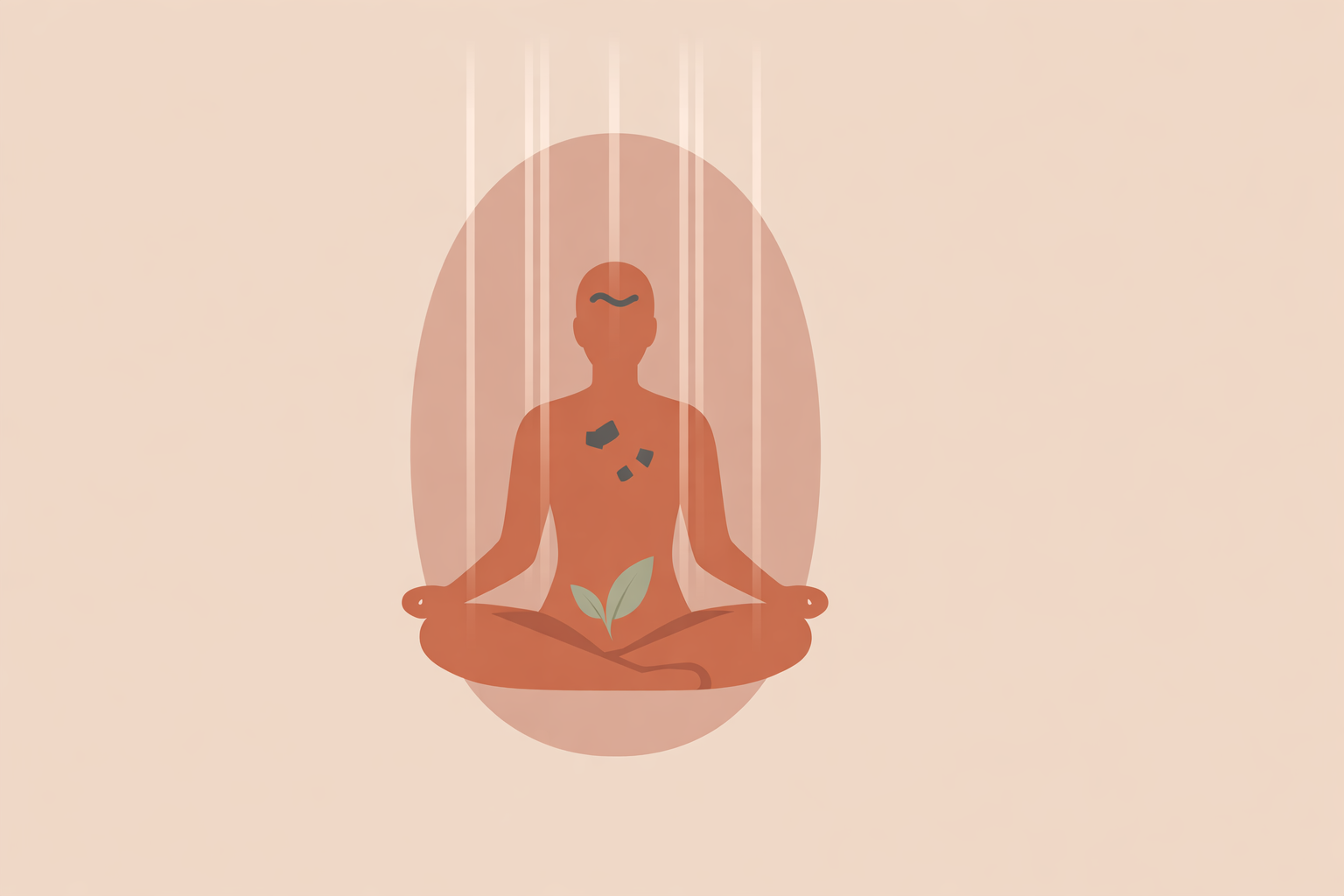
Once you’ve settled, imagine white or golden light pouring gently over you from above. Let it move from head to toe, washing away residue and brightening your space as it goes.
In many aura traditions, golden light is a familiar way to clear and strengthen the field. The image is simple, and for many people it lands as a felt sense of being calmer and more defined.
When the light reaches your feet, let it widen into an egg-shaped boundary around your body. Stay there for a few breaths and notice your posture, your face, and the quality of your attention.
If it helps, explore boundaries through sensation: gently extend your field to the edges of the room, then draw it back in until it feels close, bright, and well-contained.
With daily repetition, this becomes less about “doing it right” and more about recognizing your own clear, gathered state.
3. Use Water and Salt for Tangible Release
Water gives aura work a physical anchor. Even people who struggle with visualization often feel a shift once water touches the skin, which is why bathing rituals appear across so many lineages.
Turn a quick shower into a clearing practice by bringing intention to it. As the water runs over you, imagine heaviness rinsing away and moving down into the earth. If you have a bath, salt often deepens the sense of release.
Many cleansing guides describe salt baths as emotionally clarifying, especially after an intense day.
You can keep it very simple:
- Use a handful of sea salt or Epsom salt in a bath.
- In the shower, rub a little salt over the shoulders, arms, and feet before rinsing.
- Pair it with a long exhale and a clear intention to release the day.
Some practitioners do a short daily shower clear and a longer weekly bath. Consistency matters more than the exact schedule.
4. Work With Sacred Smoke or Smoke-Free Alternatives
Smoke cleansing is a longstanding practice in many traditions, and for some people it remains one of the quickest ways to shift the atmosphere of a room and reset personal space.
Practices using sacred smoke are often used to clear stagnant or heavy energy from both the body and the environment. If you work this way, do it respectfully: know the roots of what you’re using, choose ethically sourced materials, and avoid borrowing language or ritual forms carelessly.
Smoke isn’t required. If it doesn’t suit your home, sensitivities, or personal path, smoke-free cleansing can carry the same meaning. You might:
- wash your hands and forearms in cool water between sessions
- mist the air lightly with water and salt
- repeat your light visualization at the doorway
- brush down your arms and legs with your hands
The deeper principle is intention practiced often enough that your whole system recognizes the transition.
5. Ground in Nature After Clearing
After clearing, it helps to root. Otherwise, you may feel brighter but slightly unanchored.
Step outside, stand on the earth, or sit against a tree and let the reset “land.” Some grounding traditions encourage direct contact with the ground, and advocates of earthing often recommend barefoot contact with natural surfaces.
This doesn’t need to be elaborate. A few quiet minutes in a park, under a tree, or on a patch of grass is often enough. Many practitioners notice they feel less scattered and more whole after a brief return to open air and natural light.
If you can, let the elements participate:
- feel wind on the skin
- stand in sunlight for a few breaths
- rest your palms on a tree trunk
- walk slowly and feel each footstep
This is the re-centering phase. You’re not only releasing; you’re returning to yourself.
6. Use Sound and Aura Brushing as a Final Sweep
Once the heavier clearing is done, sound can sharpen the space. A bell, chime, bowl, or even a few intentional claps can quickly change the feel of a room.
In many aura-cleansing traditions, sound is used to refresh the atmosphere. It doesn’t need to be theatrical. One clear tone, received with full attention, can be enough.
If you prefer, use your own voice. Humming, chanting, or repeating a simple phrase on the exhale often brings coherence after a draining interaction.
Then follow with aura brushing. Sweep your hands a few inches away from the body from head to feet, front and back, as if smoothing the edges of your field. Some guides describe aura combing as a quick way to move lingering residue out of the space around the body.
Finish by shaking out the hands or limbs and washing your hands to give the ritual a clean endpoint.
7. Seal Your Space With Protection and Daily Rituals
Once you feel clearer, seal the work. Imagine a soft but defined boundary around your body, like a golden shield or luminous bubble, and set a simple intention for what you want to allow in.
Many people like short protective phrases, such as “Only what supports my well-being may enter,” or “I stay open, clear, and well-defined.” If affirmations help you settle, affirmations can support emotional steadiness and interrupt spiraling thought loops.
You might also use a quick “zip up” gesture before leaving the house or after finishing work. In some modern aura practices, the zip up visualization is used as a fast way to reinforce personal boundaries.
Small, repeatable rituals tend to work better than a big reset done once in a while. A morning intention, a one-minute reset between appointments, and an evening clear can noticeably change the tone of a week.
Some practitioners keep supportive objects nearby, such as a stone on the desk or a bowl by the door. Even without a formal system, symbolic anchors help you remember your own space and pace.
Build a Rhythm You Can Actually Keep
The most useful aura-cleansing routine is the one you return to. You don’t need every step every day. Some days, three breaths and a light visualization do the job; on heavier days, the full sequence can feel best: breath, light, water, grounding, sound, and sealing.
A simple rhythm might look like this:
- morning: light visualization and intention
- between sessions: breath, naming, and hand washing
- evening: shower clear, aura brushing, and protection
- weekly: a longer salt bath or nature-based reset
Over time, the focus shifts from “fixing” a difficult day to maintaining clarity before heaviness builds up.
Closing Perspective
Aura cleansing is a practice of attention. It trains you to notice when you feel like yourself, when you don’t, and what brings you back. Traditional methods endure for a reason: they’re embodied, repeatable, and easy to weave into ordinary life.
Keep the process respectful, grounded, and personal. Let experience teach you which combinations of breath, water, light, nature, sound, and intention genuinely support your well-being.
If emotional overwhelm, persistent worry, or body tension keeps interfering with daily life despite rest and gentle self-support, seek additional one-to-one support. Otherwise, trust small rituals practiced consistently. A few clear minutes can go a long way.
Master Aura Therapy Skills
Build on these clearing rituals with deeper methods in the Aura Therapy Certification.
Explore Aura Therapy Certification →