Longevity coaching can quietly turn into scorekeeping. A client arrives with a dashboard that says they “aged three years” last week, and the conversation tightens around damage control. Habits start revolving around readings and new supplements, while the basics that build real capacity—walking, cooking, steady sleep, time outside, shared meals—slide to the margins.
A steadier center is healthspan: protecting function, participation, and meaning so the years a person has remain usable and lived well. For non-clinical practitioners, that shift changes everything. It moves the work away from fear and toward capability, values, and repeatable weekly practices people can sustain.
Key Takeaway: Growth comes from centering healthspan—capability, participation, and meaning—rather than chasing years. A lifespan-only lens often fuels fear, over-tracking, and marketing promises, while a healthspan lens turns attention toward movement, nourishment, recovery, connection, and roles that matter in daily life. The most useful plans are values-based, culturally respectful, and measured through function first: what a person can do, how they feel, and how fully they can participate in life.
What Healthspan Really Means: Years You Can Use
Healthspan is lived capacity: mobility, clarity, connection, purpose, and the ability to keep participating in life. Lifespan counts time; healthspan asks whether that time remains usable.
A global analysis highlighted a typical healthspan gap of about 9.6 years, suggesting that many people spend close to a decade living with reduced capacity. The same analysis reported an average 2.4-year gap difference for women, a reminder that social context matters as much as physiology.
In practice, this framing is more human and more useful. Rather than asking, “How long do you want to live?” ask, “What do you want to keep doing?” People rarely answer with abstractions. They talk about gardening without strain, walking hills on holiday, dancing at celebrations, cooking for family, carrying shopping comfortably, and staying involved in their communities.
This aligns with many traditional views of aging well. Across cultural lineages, later life has often been defined less by hitting a number and more by preserving valued roles: elder, storyteller, land-tender, host, guide, craftsperson, grandparent, keeper of memory. Aging well includes duration, but it is anchored in contribution, belonging, and the ability to participate.
Turning Fear-Based Goals Into Values-Based Coaching
Many clients begin with a metric: “I want to lower my biological age.” Usually, it’s a stand-in for something more personal: safety, freedom, confidence, or staying connected to the people they love.
A useful response is simple: “If that changed, what would it allow you to do?” The real aim shows up quickly. Travel more easily. Keep hiking with a sibling. Stay energized for community work. Play on the floor with grandchildren. Work in the garden through spring.
Values-based goals hold because they are tied to identity and daily life. They are easier to act on than abstract numbers, and easier to return to after an interrupted week.
- “I don’t want to get old” becomes “I want to walk the hill trail every Sunday.”
- “I want to reverse my age” becomes “I want enough stamina to enjoy weekend trips.”
- “I need better biomarkers” becomes “I want to keep dancing at family celebrations.”
Once the real goal is clear, the plan becomes straightforward: weekly strength work, regular walks, balance practice, an evening wind-down, a steadier meal rhythm, or a repeating social plan. Each action belongs because it supports a life the client recognizes as their own.
A light-touch values map can help. Ask what they love, what they do well, what their people need from them, and what makes their days feel worth inhabiting. If you borrow frameworks from specific traditions, do it respectfully and without forcing them as universal formulas. Starting with the client’s own lineage, habits, and family wisdom is often the most grounded place to begin.
Avoiding Blame: Healthspan Without Pressure
Healthspan language can be supportive, but it can also become another way to judge people if the tone turns moral or rigid.
The first principle is to separate influence from control. People can influence many daily habits and environments, and no plan guarantees a specific outcome. Coaching works best when it strengthens agency while keeping dignity intact.
This is not just a philosophical point; it affects follow-through. A broad review found 95.5% of studies reported adverse links with ageism, and more positive views of aging were associated with better self-rated health and functioning. When guidance lands as judgment, people often disengage. When it lands as respect, they keep going.
In sessions, make room for real life. If someone is stretched by caregiving, shift work, grief, or financial strain, let the plan respond to that reality. A missed week is information, not failure. Adjust, simplify, and keep the next step small enough to be honest.
- Replace “good” and “bad” aging with “more supportive” and “less supportive” in this season.
- Honor context: work hours, income, discrimination, housing, and caregiving shape what is realistic.
- Protect dignity: build capacity within a person’s actual life, not an idealized routine.
Traditional communities have often protected the dignity of older adults by honoring their roles and contributions. That spirit belongs in modern coaching too.
Healthspan Isn’t New: Traditional Wisdom and Modern Insight
Healthspan may be a modern word, but the core idea is old. Many ancestral ways of living have long centered daily movement, shared meals, seasonal rhythms, meaningful work, community ties, and roles that continue across the lifespan.
Popular accounts of regions known for many long-lived residents often highlight daily movement, social ties, purpose, and plant-forward eating. These stories deserve a thoughtful, grounded reading, yet the patterns will feel familiar to practitioners who’ve learned from living traditions: the body thrives on rhythm, relationship, and purposeful contribution.
The key is not to turn any culture into a checklist. Respect means keeping traditions in context, acknowledging local history and ecology, and asking first about the practices already present in a client’s family or community. A better question than “Which famous framework should we copy?” is “What rhythms from your own people have helped life feel steadier, warmer, or more grounded?”
That keeps the work rooted and helps avoid appropriation, which happens when rich cultural practices are stripped of context and repackaged as generic optimization tools.
A Weekly Framework for Building Healthspan
Healthspan becomes real when it’s translated into a weekly rhythm. The essentials are not glamorous, but they are dependable: movement, nourishment, recovery, environment, and connection, which sit at the heart of longevity and biohacking.
Movement is often the strongest lever for improving strength, confidence, and participation. It also gives clients quick feedback they can feel in daily life.
- Movement: Two strength sessions each week, one balance or mobility session, and regular walking.
- Nourishment: A plant-forward baseline with enough protein, familiar staple foods, and room for culture, pleasure, and seasonality.
- Recovery: A short evening downshift, a stable sleep-wake rhythm, and small practices that support settling rather than overstimulation.
- Environment: Arrange the home so supportive choices are easier—walking shoes visible, water available, phone away from the bed, a clear space for stretching or breathwork.
- Connection: At least one repeating social plan built around movement, food, friendship, or contribution.
This kind of plan holds because it relies on rhythm, not perfect motivation. For someone who wants to stay active on backpacking trips, that might look like strength work twice a week, two pack walks, one longer outdoor session with a friend, a simple batch-cook routine, and a nightly ten-minute wind-down.
Stress resilience ties the structure together. A recent review of longevity-region patterns includes stress management and psychological well-being alongside movement, diet, and social life. Recovery belongs in the plan from the start.
Measure What Matters: Function First, Scores Second
When measurement helps, it should clarify rather than distract. For most people, function is the best place to start.
Track what a person can do and how they feel doing it: walking tolerance, strength, steadiness, energy, sleep consistency, and social participation. These markers are easier to interpret, and they stay connected to real life.
Simple functional markers are often the most motivating. Can the person walk farther without needing to stop? Rise from a chair more easily? Carry groceries with more confidence? Rejoin a weekly class or community gathering?
Research on exercise in older adults supports better strength, balance, and gait, which is one reason function-first tracking works so well in coaching. By contrast, reviews note that epigenetic clocks remain promising but still preliminary as stand-ins for real-world change.
A minimalist dashboard is usually enough:
- Walking: distance or time walked comfortably, plus perceived effort.
- Strength: a sit-to-stand count or another simple repeatable measure.
- Sleep: consistency of bed and wake times, plus a simple quality rating.
- Participation: whether the person showed up for a weekly social, cultural, or community activity.
- Optional tech: trends used lightly, not as the main story.
Social participation deserves special attention. It’s often one of the clearest signs that confidence, purpose, and day-to-day capacity are improving, even when no device captures it neatly.
Healthspan as a More Grounded Way to Support Growth
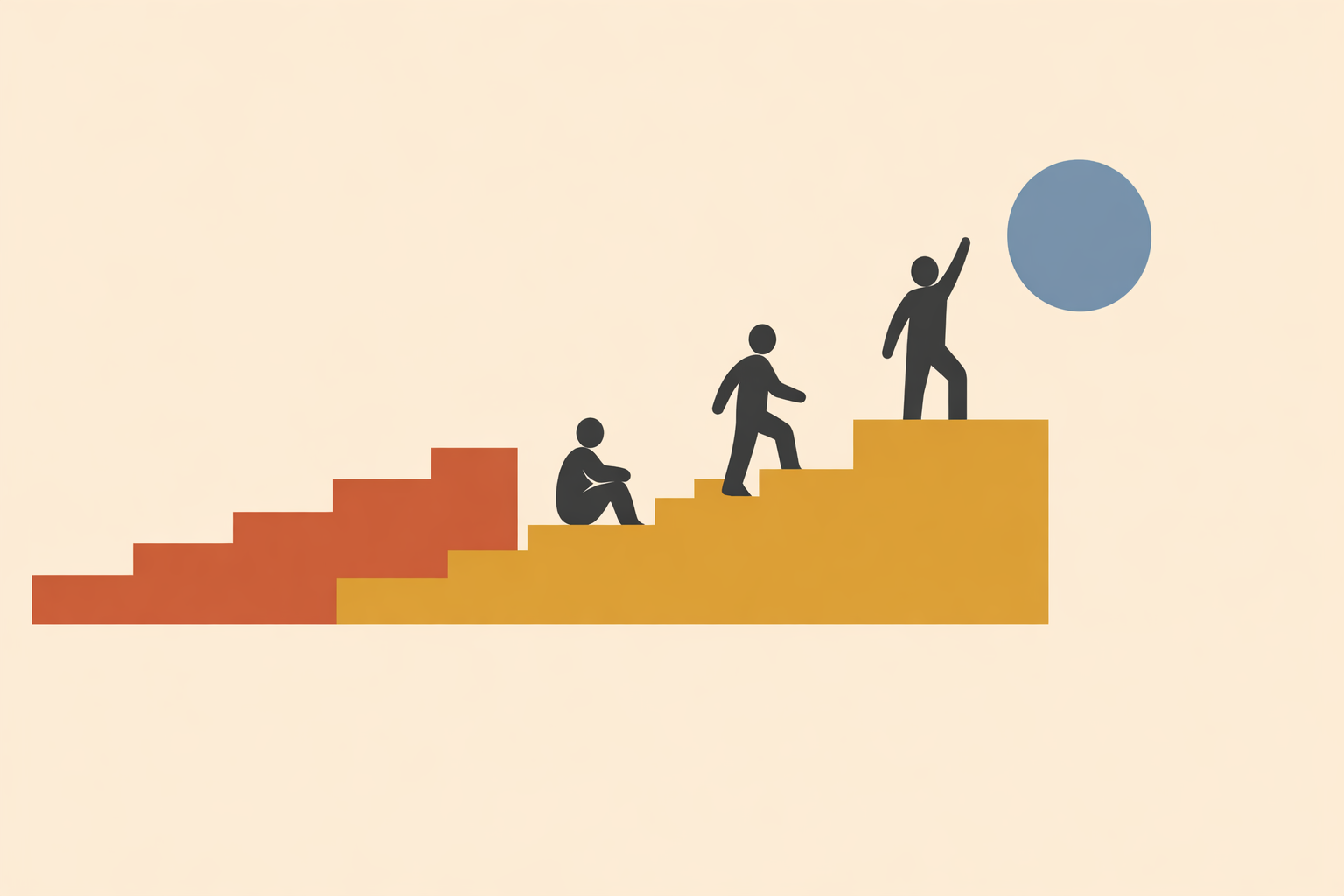
Used well, a healthspan lens reshapes the work. It replaces fear and score-chasing with capability, dignity, and connection. It keeps attention on what makes life more livable now: stronger legs, steadier sleep, more nourishing meals, better pacing, deeper belonging, and meaningful roles that continue with age.
This perspective also brings traditional wisdom and modern evidence into a more honest conversation. Both point, in their own way, toward simple, steady practices repeated in real life and supported by community.
So the central questions change. What do you want your years to make possible? What gets in the way right now? Which weekly practices will support that capacity? What small environmental shift would make follow-through easier? Who can walk beside you as you build it?
Lifespan counts years. Healthspan asks what those years allow a person to keep doing. When coaching centers function, participation, and meaning, it offers something far more durable than optimization: a path people can actually live, and one that sits squarely within longevity coaching.
Train as a Longevity Coach
Apply this healthspan-first approach in practice with the Longevity Coach Certification.
Explore Longevity Coach Certification →