


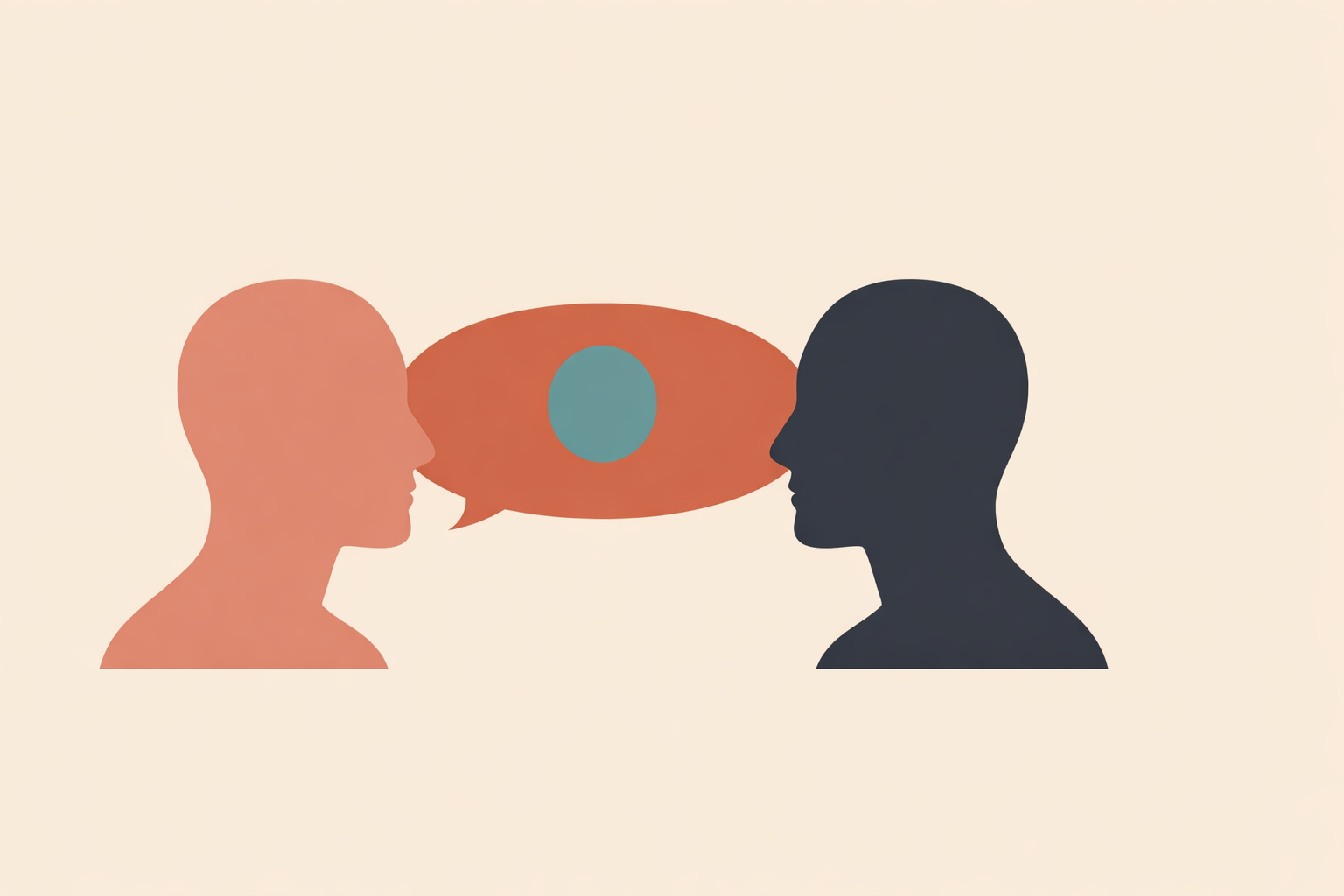
If you work in dementia support, you’ve probably watched a well-meant “Do you remember?” close a conversation before it even starts. A playlist that soothed someone last week might not land today. A memory box can quietly turn into a quiz. What helps most is often simpler: a person-led way to invite connection without demanding perfect recall.
Key Takeaway: Reminiscence works best when it protects dignity and treats prompts as invitations, not tests. Start with familiar themes, use simple adult materials, follow the person’s pace, and let meaning matter more than accuracy.
Why reminiscence feels natural in dementia support
Reminiscence often begins with something ordinary: a recipe card, a song, a photograph, a tool, a scent. These small anchors can open space for recognition, emotion, and conversation without pressure.
At its heart, reminiscence is a structured way of exploring meaningful life experiences through conversation, images, music, and everyday objects. The aim isn’t to “prove” memory. The aim is to support identity, belonging, and self-expression.
In day-to-day support, practitioners often notice that earlier memories can be easier to reach than recent details. That makes long-held experiences a natural starting point: first jobs, family meals, places once called home, favorite celebrations, songs learned young.
Across cultures, elders have long passed on stories, songs, and practical wisdom in homes and community gatherings. Life-story work fits that human pattern. Whether you use a scrapbook, album, memory box, or a single printed card, the message is the same: the person’s life remains meaningful and worth hearing.
Many practitioners also see people feel steadier in themselves during these moments. That kind of grounding can be hard to capture consistently in research, yet it’s familiar in real conversations: when someone speaks about what mattered to them, they often look and sound more like themselves.
In the room: I place a black-and-white photo of a fishing boat on the table and say, “Tell me about this.” A hand starts tapping softly. “Sundays before dawn,” he says. We are no longer chasing facts. We are with rhythm, pride, sea air, and memory as lived experience.
From everyday storytelling to structured reminiscence
Most people already reminisce informally over tea, music, or family photos. Adding a light structure just makes it easier to repeat, adapt, and share with others supporting the person.
In person-led reminiscence, the individual sets the direction. The prompt is only a doorway. You follow interest, mood, body language, and shifts in attention, instead of pushing through a script.
Evidence reviews suggest reminiscence may support communication, mood, and quality of life in some contexts, though results vary by format and setting. In practice, that flexibility is a strength. It leaves room to match the approach to the person in front of you.
A simple working arc might look like this:
- Choose 2-3 themes the person already enjoys.
- Gather one cue for each theme: photo, song, object, scent, or short written prompt.
- Offer one invitation at a time.
- Notice what brings ease, energy, or warmth.
- Use those responses to shape the next interaction.
The goal is not to complete a life review. It is to create conditions where connection can happen again and again.
Why prompts matter more than accurate recall
The most helpful shift is straightforward: stop testing memory.
Questions like “Do you remember this?” can create pressure. Open invitations usually work better: “Tell me about this,” “What do you notice?” “How does this feel?” or “What comes to mind?” They leave room for memory, imagination, emotion, and silence.
If the person says, “I don’t know,” let it be easy. Offer another cue, soften the question, or pause. The conversation doesn’t need rescuing.
When details are unclear, respond to meaning rather than correcting facts. If someone mixes up dates but lights up talking about dancing, courtship, or work, that feeling is the thread to follow.
Silence matters too. People often need time to settle, sense, and respond. A few extra quiet seconds can be the difference between shutting down and opening up.
Trauma-awareness belongs here as well. Familiar material can stir grief, loss, or conflict. If distress appears, slow down, change direction, or stop. The work is supportive, not extractive.
Useful script ideas:
- “Tell me about this picture.”
- “What do you notice when you hold this?”
- “Would you like to listen for a moment and see how it feels?”
- “Shall we try another one, or would you prefer to pause?”
When you trade accuracy checks for curiosity, dignity stays intact, and people often share more of their world.
Designing a printable reminiscence template that respects the person
Start small. One adult, uncluttered card is enough.
Keep the design calm and easy to use: large text, clear contrast, one prompt per card, generous spacing, minimal decoration. These choices come from solid supportive practice and make materials easier to navigate for people experiencing cognitive or sensory changes.
A useful template might include:
- Topic
- Image or object
- Open invitation
- Optional follow-up prompts
- Words, gestures, or feelings noticed
- Topics to avoid
- Ideas for next time
The best templates move attention away from performance and toward understanding the person. They also build in choice. A visible “pause” or “finish” option helps keep the interaction clearly voluntary.
Consent belongs throughout the process, not only at the start. Explain plainly what you’re doing, and check in gently as you go. Turning away, going quiet, or seeming uncomfortable are often good reasons to slow down or stop.
Privacy matters too. Personal photographs, recordings, family details, and stored notes should only be used in ways the person and family have agreed to. Keep materials secure, clear, and respectfully limited.
Sample card:
- Topic: Home cooking
- Image/Object: Wooden spoon
- Open invitation: “What do you notice when you hold this?”
- Follow-ups: “What smells go with this?” “Who were you cooking for?”
- What was shared: “Warm... cinnamon... Sunday.” Smiled; shoulders relaxed.
- Topics to avoid: Strict family mealtime rules
- Next time: Try cinnamon scent; ask about favorite pan
Build a small set around themes the person chooses, then let the collection evolve over time.
Themes and sensory prompts that work well in practice
Strong reminiscence themes are ordinary, personal, and emotionally textured. Home, work, food, music, celebrations, hobbies, neighborhood life, friendship, nature, and daily routines often give people something solid to respond to.
Simple prompts keep the tone open:
- Home: “What made a place feel like home?”
- Work: “What kind of work suited you best?”
- Food: “Which meals bring good associations?”
- Music: “What did you enjoy hearing?”
- Achievements: “What are you proud of?”
Sensory cues can deepen the experience by offering more than one route into recognition and feeling. A fabric texture, a cooking scent, a familiar hymn, or the weight of a tool can open a response when direct questions don’t.
At the same time, one study in Alzheimer’s disease found that pictures elicited more autobiographical memories than the other cues tested. A mixed “menu” of prompts tends to serve people best, because different doors work for different individuals.
Memory boxes can include photographs, postcards, fabric, medals, utensils, tools, recipes, letters, or small keepsakes. Music support can be equally powerful, especially when it comes from the person’s own era, language, or cultural world. Familiar songs can bring delight, and they can also stir grief or longing, so pacing matters.
Quick build idea: For a “Seasons” theme, you might include a pinecone, a knitted square, a photo of first snow, a short rain recording, and a cinnamon stick. One theme, several ways in.
As always, check materials for practical safety and cultural fit before using them.
Adapting reminiscence to different stages, communication styles, and cultures
The point of adaptation is to right-size the demand so the person can participate with ease.
For mild dementia, many people enjoy richer autobiographical material such as albums, timelines, familiar documents, or personal collections. Reviews show reminiscence has often been used with people in mild to moderate stages, though that doesn’t mean one material type is best for everyone.
For moderate dementia, simpler often supports steadier participation. Use one theme at a time, fewer choices, shorter prompts, and concrete cues.
For severe dementia or fluctuating attention, many practitioners focus less on detailed life review and more on immediate sensory or emotional contact: a melody, a texture, a familiar phrase, a shared rhythm, a scent. In real-world support, immediacy can carry the connection, including in quick reminiscence moments.
When language is harder to access, one-step wording helps. So does welcoming nonverbal responses: pointing, choosing between two images, humming, touching an object, facial expression, or staying engaged beside you. Reviews suggest reminiscence may bring small communication benefits in some situations.
For people with hearing or vision changes, adjust the environment and materials with common sense: good lighting, large print, strong contrast, fewer distractions, and alternatives to sound-only prompts.
Cultural sensitivity is essential. Match prompts to language, migration story, foodways, celebrations, music, and family structure without reducing anyone to a stereotype. Childhood themes should stay optional; for some people, safer starting points are neighborhood sounds, work life, seasonal traditions, or favorite routines.
Adaptation in action: Mei prefers Cantonese. Her food card uses two photos rather than written prompts. I point; she taps one. A short Cantonese radio jingle begins. She hums along and smiles. That is enough.
Weaving reminiscence into daily routines and digital tools
Reminiscence doesn’t need to be a formal session. It often works best when folded into ordinary life.
A card near the kettle, a familiar object by the sofa, a short playlist for dressing time, a touch box for quiet afternoons: small placements create natural openings without fanfare.
Families can help gather photos, songs, recipes, workplace memories, and preferred names. They’re most helpful as respectful co-curators rather than accuracy checkers. Agreeing up front that the aim is connection, not correction, sets a supportive tone.
Digital tools can support reminiscence too: tablets with photo albums, short audio clips, scanned letters, voice notes, or simple timelines. Used well, they make cherished material easier to revisit and share. Privacy still needs careful handling with password protection, consent-based sharing, and clear boundaries around storage and deletion.
When you reflect on what worked, focus on signs that matter to the person:
- Did they engage willingly?
- Did their body soften or brighten?
- Did they seem more connected, expressive, or at ease?
- Would they like to do it again?
That kind of observation is usually more useful than trying to measure recall.
Routine ideas:
- Keep two prompt cards near a daily anchor and choose based on mood.
- Make a short playlist organized by decade, language, or feeling.
- Prepare a small box of safe textures and familiar objects for low-verbal days.
Start small and let the person lead
Begin with one respectful prompt and one familiar cue. Sit side by side. Ask one open question, then wait.
If the moment opens, follow it. If it doesn’t, you have still honored choice and presence. Reminiscence makes room for identity, recognition, and human connection in whatever form they arrive.
It also helps to hold the approach lightly. Reviews do not show that longer or more frequent formats are always better, and they don’t support a single ideal session length. The best “dose” is the one that fits the person’s energy, attention, and preferences that day.
Some interactions unfold over half an hour. Some last only a few minutes. A glance at a photo, a hand resting on a wooden spoon, a line of song, a smile at the smell of cinnamon: these can all be meaningful forms of participation.
Over time, refine your prompts, your materials, and your sense of what helps this person feel most like themselves. That is the quiet craft of reminiscence in person-led brain health and dementia support.
Train in Dementia Support
Deepen person-led reminiscence skills with the Dementia Certification Course.
Explore Dementia Course →










