Many new aromatherapy practitioners collect oils and techniques before they build a clear frame for sessions. Then real life walks in: a client dislikes a popular scent, shares asthma, asks about internal use, or mentions pregnancy or past fragrance reactions. Suddenly your plan doesn’t answer the practical questions of scope, consent, method, and when to stop. Add documentation expectations, and it’s easy to feel unsteady. A workable scope solves that by clarifying what belongs in your aromatherapy support and what doesn’t, so each session stays clear, modest, and genuinely helpful.
Key Takeaway: Holistic aromatherapy works best when scope is explicit, methods are conservative, and sessions are guided by the client’s real-time responses. In practice, that means setting expectations clearly, starting gently, choosing and labeling blends responsibly, documenting well, and knowing when to pause or stop.
What holistic aromatherapy includes in client work
Holistic aromatherapy is a structured, whole-person practice that supports well-being through scent, diluted topical application, simple bodywork, and reflective conversation. Its strength is steady and practical: thoughtful choices, careful observation, and a pace that fits the person in front of you.
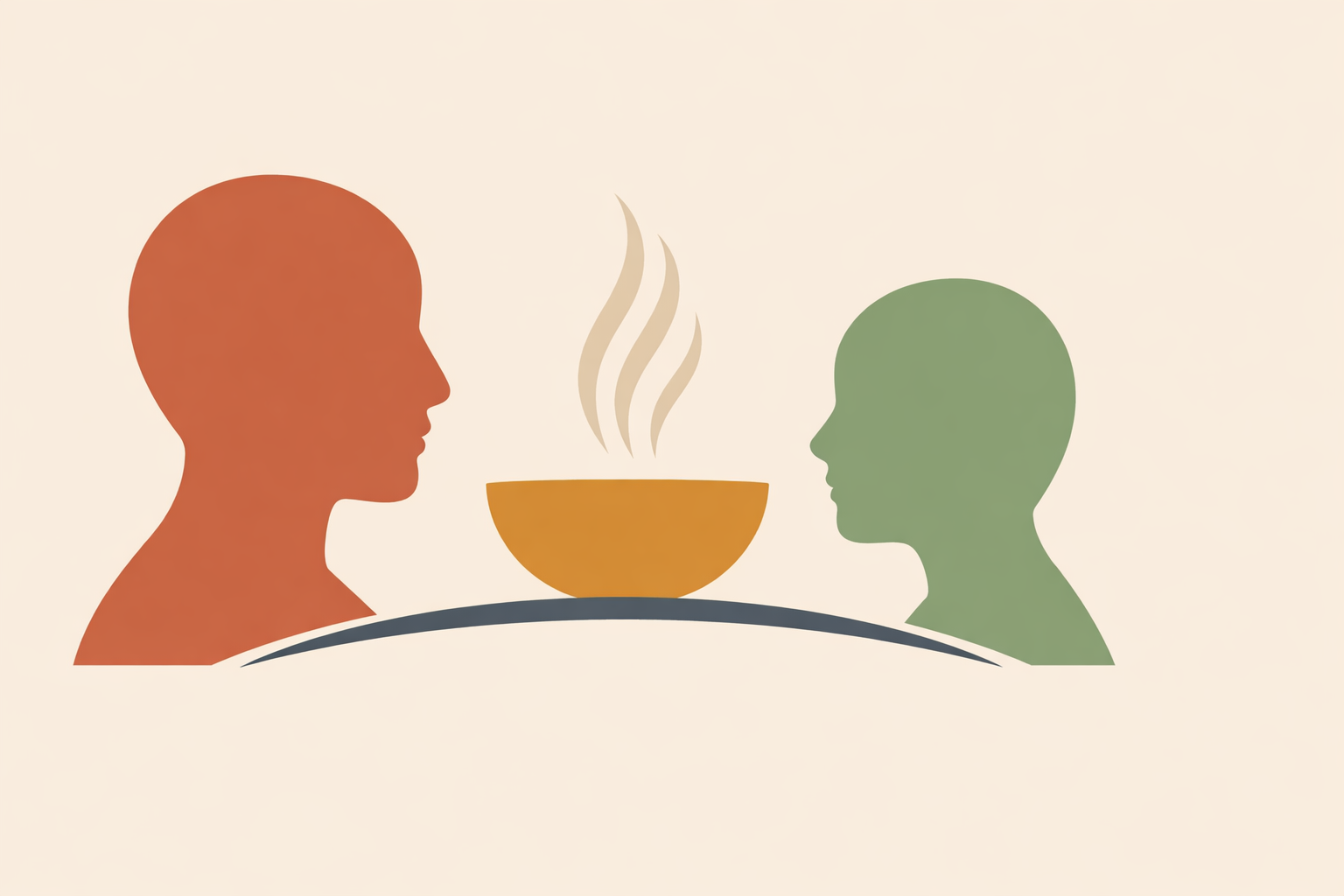
In sessions, this looks like listening for preferences and sensory responses, noticing daily rhythms, and respecting culture and context. One person may want a short evening ritual to help them shift out of work mode. Another may prefer a grounding hand massage with a familiar aroma and a few quiet minutes to settle.
If someone says, “My evenings feel restless,” the most useful next step is often small and repeatable: two slow breaths from a personal inhaler before journaling, or a lightly scented tissue nearby while they unwind. The ritual matters because scent can anchor attention and make a pause easier to keep.
Evidence-informed aromatherapy draws from traditional use, practitioner observation, safety references, product information, and selected research. In some settings, lavender inhalation has been associated with improved sleep and short-term calm. Those findings can guide choices, alongside the client’s lived experience and your day-to-day observations.
How a holistic aromatherapy session unfolds
A strong first session stays simple and well-framed. Before any bottle is opened, agree on what you offer, how consent works, which methods you use, and what kinds of outcomes are realistic in this kind of support.
Consultation and consent set the scope
Intake is where you build the boundaries together, not just fill in forms.
Ask what they enjoy or dislike, any past reactions, what they’re currently using, whether they’re pregnant, and whether there’s respiratory sensitivity or comfort with touch. Then name the method you’re proposing and make withdrawal of consent easy and normal.
A useful line is: “We’ll try two scents on blotters and see how your body responds. You can change your mind at any time—just say the word and we’ll pause or stop.”
Questions that shape a safer session include:
- Which aromas feel pleasant, familiar, or unwelcome?
- Have you ever had a skin reaction to fragrances, cosmetics, or essential oils?
- Do you experience asthma, migraines, or scent sensitivity?
- Is your skin currently irritated, broken, or especially reactive?
- Are you pregnant, breastfeeding, older, supporting a child, or navigating a particularly sensitive life stage?
- Are you using any medicines or following guidance that calls for extra caution?
Some situations call for a gentler approach. Lower concentrations are generally recommended for pregnancy, children, asthma, skin sensitivity, and people using medicines. In practice, that often means fewer oils, lower dilutions, shorter exposure, and a slower pace.
Scope also includes what you don’t do: you don’t label conditions, promise outcomes, or work beyond your competence. You stay with well-being support, sensory experience, and clear boundaries.
In-scope methods: inhalation, topical work, and bodywork
When you’re learning someone’s responses, inhalation is often the easiest starting point. It’s quick to test, simple to adjust, and easy to stop.
Different inhalation routes create different levels of exposure. The National Cancer Institute distinguishes between direct inhalation and indirect inhalation, which is a helpful reminder to match method to the person and the setting.
Diffusion also deserves respect. Room size, ventilation, duration, and individual sensitivity change the experience, and diffuser output can overpower a space when airflow is poor or diffusion runs too long.
A steady way to begin is two blotters, three slow breaths each, then a short pause. If one aroma feels supportive, place it nearby for a few minutes and reassess. The goal is a response you can notice and track.
Topical work can follow once preferences and sensitivities are clearer. Many practitioners use conservative dilutions for routine use, and go lower still for the face, sensitive skin, older adults, pregnancy, and children. Lower percentages are widely recommended for these more sensitive contexts.
Internal use belongs outside beginner scope. Compared with inhalation or diluted topical application, internal use adds risk, raises interaction concerns, and brings extra regulatory complexity. Most holistic practice settings do best without it.
For bodywork, keep formulas modest. A simple hand or back blend is easier to tolerate, understand, and repeat than a complex recipe, and it makes the client’s feedback much more actionable.
Inside the bottle: choosing, blending, and documenting oils
Before blending, get clear on what you’re using. Essential oils are volatile aromatic compounds obtained through methods such as steam distillation, hydrodistillation, cold expression, or solvent extraction. Distillation also separates aromatic constituents into essential oil and aromatic water, often called hydrosol.
Plant part and extraction method shape aroma, color, and skin-related considerations. Even common names can be misleading; “lavender” on a label does not always refer to the same species, and that difference can matter in practice.
Traceability is part of good aromatherapy support. Record:
- botanical name
- plant part
- extraction method
- country or region of origin
- supplier
- batch or lot number
- purchase date
These notes pay off quickly. You can spot patterns, replicate a blend the client loved, and avoid repeating a batch that didn’t sit well.
When designing a blend, aim for clarity. Two or three materials are often enough, and a simpler formula is easier to adjust and explain.
Every take-home blend should be labeled with intended route, dilution, ingredients with botanical names, batch date, and storage guidance. That’s not busywork; it’s part of a transparent, respectful client experience.
Safety boundaries every practitioner should keep in view
Aromatherapy practice feels steadier when you consistently hold its boundaries. Essential oils are highly concentrated, so method, dilution, and pacing make a meaningful difference.
Some oils can irritate skin or contribute to sensitivity, especially when oxidized or rich in certain constituents. Inhalation can also be too much for some people, and prolonged exposure may be poorly tolerated in predisposed individuals.
Unclear blends create avoidable uncertainty. If plant source, concentration, freshness, or likely allergen content are unknown, it’s harder to make responsible choices. Good sourcing and clear labeling are practical safety tools, especially when distinguishing essential oils vs fragrance oils.
Be especially conservative with children, older adults, pregnant people, people with asthma or allergies, and those using medicines. In these settings, narrower scope usually creates a better experience than broader ambition.
Build a plain-language stop plan into every session. If someone develops wheezing, shortness of breath, facial or throat swelling, rapidly spreading hives, severe headache, dizziness, nausea, or escalating skin discomfort, stop exposure immediately. If breathing is affected, urgent outside support may be needed.
For beginners, these red lines are worth keeping visible:
- Do not default to undiluted skin application.
- Do not include internal use.
- Pause all aromas if active respiratory or strong neurological symptoms appear.
- Use extra caution when there is a history of fragrance allergy or unexplained rashes.
- Avoid poorly labeled or poorly sourced products.
Bringing your aromatherapy scope together in practice
In the session room, a clear scope feels calm and organized. You greet, listen, agree on a small goal, introduce one aroma at a time, choose a conservative method, check in, and document what happened. That rhythm is often enough to create real value.
A beginner scope statement might sound like this: “I support individualized well-being through responsible aroma selection, safe dilution, appropriate inhalation or topical methods, reflective consultation, and culturally respectful practice.”
The matching boundary is just as important: “I do not promise outcomes, I do not offer internal use, and I stay within non-clinical well-being support.”
From there, skill grows through repetition and care. Write your scope statement, refine your intake and consent, and keep a blend log with botanical names, dilutions, batch dates, and client notes. Over time, those habits protect your work and deepen it, whether your broader interests eventually expand into herbalism and plant medicine or stay centered on aromatherapy certification.
At its best, aromatherapy remains rooted and responsive: informed by traditional knowledge, sharpened by observation, and carried out with kindness, integrity, and respect for the person in front of you.
Train in Aromatherapy Certification
Build a clear, safety-first scope with the Aromatherapy Certification for confident sessions and documentation.
Explore Aromatherapy Certification →