


Horticultural Therapy Certification
Train in horticultural therapy — therapeutic gardening, sensory garden design, and plant-based interventions for wellbeing. The Horticultural Therapy certification suits occupational therapists, carers, and garden facilitators using growing to heal.


11
Modules
11h 28min
Audio lessons
5.0/5
Course Reviews
∞
Lifetime access
Features
This course includes

11 modules
Complete curriculum

11 PDFs
Downloadable guides

11h 28min of audio course content.
Narrated lessons

Interactive quizzes
Test your knowledge

Certificate of completion
Awarded when you finish

Insurance eligible (ICHAP)
Coverage-ready credential

Lifetime access
Accessible 24/7 on any device

Weekly live Q&A
Live session every week
Overview
Course description
Learn to design safe, meaningful, and evidence-informed plant-based therapeutic programs
Horticultural therapy brings together the living world of plants with structured therapeutic practice. This course introduces learners to the foundations, science, ethics, design principles, facilitation skills, and program-development methods needed to use gardens and plant-based activities with care, purpose, and professional clarity.
👥 Who This Course Is Designed For
Designed for practitioners in health, education, social care, community work, rehabilitation, wellbeing, and garden-based settings, this course is ideal for anyone who wants to move beyond “gardening is good for people” into a more intentional, ethical, and applied approach.
🌼 For Gardeners, Educators, Coaches, and Nature-Based Practitioners
It is also well suited to gardeners, activity coordinators, support workers, educators, coaches, and nature-based practitioners who want to understand how horticultural therapy differs from recreational gardening, therapeutic horticulture, and broader green care.
🎯 What You’ll Be Able to Do by the End of the Course
By the end of the course, learners will be able to connect plant knowledge with therapeutic goals, design accessible and sensory-rich garden spaces, adapt activities for diverse populations, evaluate outcomes, and begin building sustainable horticultural therapy programs in real-world settings.
🌍 Why Horticultural Therapy Matters Today
Horticultural therapy matters because people need more than beautiful spaces. They need accessible, purposeful environments where movement, memory, sensory engagement, confidence, connection, and care can unfold safely.
🧘 A Response to Stress, Isolation, and the Need for Meaningful Connection
In a world marked by stress, isolation, climate anxiety, ageing populations, and growing interest in nature-based wellbeing, practitioners need approaches that are both compassionate and well structured.
This course stands out because it balances inspiration with professional responsibility. It does not treat gardens as automatically healing or offer vague claims about nature.
🛠️ Practical Tools for Ethical, Inclusive, and Sustainable Programs
Instead, it teaches learners how to assess needs, design safe activities, adapt for different populations, collaborate with professionals, evaluate outcomes, and build programs that are ethical, inclusive, trauma-informed, evidence-informed, and sustainable.
🌸 Final Invitation: Bring Plants, People, and Practice Together
Enroll with confidence if you are ready to bring plants, people, and practice together in a more intentional way.
📚 Leave With Frameworks, Case Examples, and Applied Tools
You will leave with language, frameworks, case examples, exercises, and applied tools that help you design horticultural therapy experiences with clarity, humility, and practical skill.
Not sure where to start? Follow a path
Curated routes through our accredited certifications — start with the foundations, then specialise. Each path concentrates the courses for one field in one place.
7 courses
Animal Wellness
Care for animals the holistic way. Accredited, self-paced certifications in natural animal...
5 courses
Child & Adolescent Development
Support children, teens and the adults raising them. Accredited, self-paced certifications...
4 courses
Creative & Expressive Therapies
Help people say what words alone can't. Accredited, self-paced certifications in art-based...
11 courses
Energy Healing
Learn to work with the body's subtle energy — professionally and with confidence. Accredit...
8 courses
Herbalism & Plant Medicine
From garden to apothecary. Accredited, self-paced certifications in herbal medicine — grow...
6 courses
Hypnotherapy & NLP
Work with the mind beneath the mind. Accredited, self-paced certifications in professional...
7 courses
Longevity & Biohacking
Coach the long game. Accredited, self-paced certifications in longevity science, biohackin...
12 courses
Mental Health Frameworks
Learn the frameworks the helping professions are built on. Accredited, self-paced certific...
9 courses
Mindset & Behavior Change
Change is a skill — learn to coach it. Accredited, self-paced certifications in transforma...
8 courses
Nature & Outdoor Therapy
Take your practice outside. Accredited, self-paced certifications in forest, water and gar...
10 courses
Neurodiversity & Learning Differences
Become the coach who understands how different minds work. Accredited, self-paced certific...
8 courses
Neuroscience & Brain Health
Coach with the brain in mind. Accredited, self-paced certifications in applied neuroscienc...
9 courses
Nutrition & Diet
Coach the way people eat — and the way they think about eating. Accredited, self-paced cer...
4 courses
Positive Psychology & Wellbeing
Coach what's strong, not just what's wrong. Accredited, self-paced certifications in the s...
6 courses
Purpose & Life Design
Help people design lives they actually want. Accredited, self-paced certifications in life...
4 courses
Relationships & Intimacy
Coach the connections that shape everything else. Accredited, self-paced certifications in...
8 courses
Self Sufficiency & Sustainability
Learn to provide for yourself — and teach others to. Accredited, self-paced certifications...
10 courses
Spirituality & Ritual
Hold space for the sacred. Accredited, self-paced certifications in spiritual coaching, ce...
4 courses
Traditional & Eastern Medicine
Study the world's great healing systems. Accredited, self-paced certifications in naturopa...
8 courses
Trauma & Emotional Healing
Support people through what hurt them. Accredited, self-paced certifications in trauma-inf...
9 courses
Women's Health & Fertility
Coach women through the transitions that matter most. Accredited, self-paced certification...
 Modules
Course syllabus
Module 1: Foundations of Horticultural Therapy
54:24
Learners begin by defining horticultural therapy and understanding how it differs from general gardening, therapeutic horticulture, green care, and other nature-based practices. The module explores the historical development of healing gardens, rehabilitation gardening, occupational traditions, biophilia, attention restoration, stress reduction, self-efficacy, and meaningful occupation. Learners will also examine core outcome domains, including physical, psychological, cognitive, and social goals. By the end, they will have a clear conceptual framework for what makes horticultural therapy structured, purposeful, and professionally distinct.
Module 2: Horticultural Science Essentials for Therapeutic Practice
1:27:22
This module strengthens the plant-science knowledge needed for safe and effective therapeutic practice. Learners explore plant biology, roots, leaves, life cycles, microclimates, soil texture, drainage, organic matter, watering, nutrients, toxic plants, and plant selection. They learn how to match annuals, biennials, perennials, herbs, edibles, sensory plants, and low-maintenance species to therapeutic goals and client abilities. Practical planning includes containers, raised beds, indoor systems, vertical growing, plant safety checks, and simple maintenance routines.
Module 3: Therapeutic Garden Design and Sensory Engagement
57:57
Learners discover how garden design shapes safety, comfort, orientation, sensory engagement, and participation. The module introduces key design principles such as coherence, legibility, refuge, prospect, complexity, zoning, looped paths, wayfinding, accessibility, universal design, and sensory “volume.” Learners practise designing small-scale therapeutic spaces, including courtyards, balconies, indoor green corners, mobile carts, and sensory gardens. The focus is on creating spaces that are calming, accessible, maintainable, and responsive to client needs.
Module 4: Horticultural Therapy Techniques and Activity Design
52:25
This module turns gardening tasks into intentional therapeutic activities. Learners explore individual and group formats, structured and open sessions, task-oriented and reflective work, active gardening, nature appreciation, grading, pacing, partial participation, and activity analysis. They learn how to adapt tools, instructions, workstations, timing, sensory input, and social demands for different abilities. Group norms, roles, conflict response, guided reflection, and simple nature-based creativity are also introduced as core facilitation skills.
Module 5: Assessment, Goal Setting, and Outcome Evaluation
56:37
Learners are introduced to practical, ethical assessment methods for horticultural therapy. The module covers referral review, HT client profiles, functional observation, task analysis, cognitive and physical assessment considerations, trauma-informed questioning, loneliness and social connection measures, and culturally sensitive intake. Learners practise translating assessment findings into collaborative goal areas and SMART goals. They also learn to design simple treatment plans, outcome indicators, pre/post tools, feedback forms, and program-improvement reviews.
Module 6: Populations, Settings, and Adaptation of Horticultural Therapy
1:02:21
This module explores how horticultural therapy is adapted across client groups and environments. Learners examine older adults, dementia care, children and adolescents, schools, rehabilitation, disability services, mental health, trauma-informed groups, community programs, and secure environments. They learn to plan using a strengths–risks–goals–activities–adaptations framework. Practical applications include reminiscence gardening, sensory regulation, youth behaviour support, rehab-aligned garden tasks, secure-setting tool procedures, and context-specific safety planning.
Module 7: Ethics, Professional Standards, and Interdisciplinary Collaboration
51:57
Learners deepen their understanding of ethical and professional practice in horticultural therapy. The module covers autonomy, beneficence, non-maleficence, justice, informed consent, confidentiality, scope of practice, boundaries, dual relationships, red flags, ethical referrals, supervision, duty of care, risk management, cultural humility, and respectful language. Learners also practise communicating with interdisciplinary teams using clear, non-diagnostic language and SBAR-style updates. The emphasis is on safe, accountable, client-centred practice.
Module 8: Research Literacy and Evidence-Informed Horticultural Therapy
33:48
This module helps learners become confident consumers of horticultural therapy research. They explore common study designs, including randomized controlled trials, quasi-experimental studies, pre/post studies, case studies, qualitative research, and mixed methods. Learners practise matching research questions to designs, reading articles efficiently, interpreting basic statistics, and translating evidence into practical language. They also learn how to collect lightweight program data through attendance records, rating scales, session logs, observations, and participant feedback.
Module 9: Program Development, Management, and Sustainability
57:44
Learners move from session design to whole-program planning. This module covers program structure, frequency, duration, participant flow, staffing, space assessment, access agreements, seasonal calendars, weather contingencies, transport planning, budgets, funding streams, in-kind resources, ecological sustainability, maintenance systems, participant leadership, garden committees, succession planning, and scaling criteria. Learners practise building realistic, sustainable programs that can survive staff changes, seasonal challenges, and funding pressures. The emphasis is practical: a good program must be safe, fundable, maintainable, and useful.
Module 10: Integrating Horticultural Therapy into Practice and Ongoing Development
54:03
The final module helps learners integrate the full course into their own setting and professional identity. Learners create context maps, identify barriers and enablers, choose realistic starting points, align ideas with organisational mission, and test small pilots using Plan–Do–Study–Act cycles. They refine facilitation skills, supervision plans, self-care practices, innovation goals, and personal development pathways. By the end, learners synthesize the course into a coherent personal practice framework and a realistic plan for next steps.
Horticultural Therapy Course References
Benefits
Why Choose Naturalistico?
Instant access
Get instant lifetime access to all the course content
Certified in United States
Our Certification Protects and Insures Your Practice
475.9K Students
Join a Growing Global Community of Coaches
Try 30 days free
30-day money-back guarantee on all courses
 Certification
Our certifications are internationally recognized
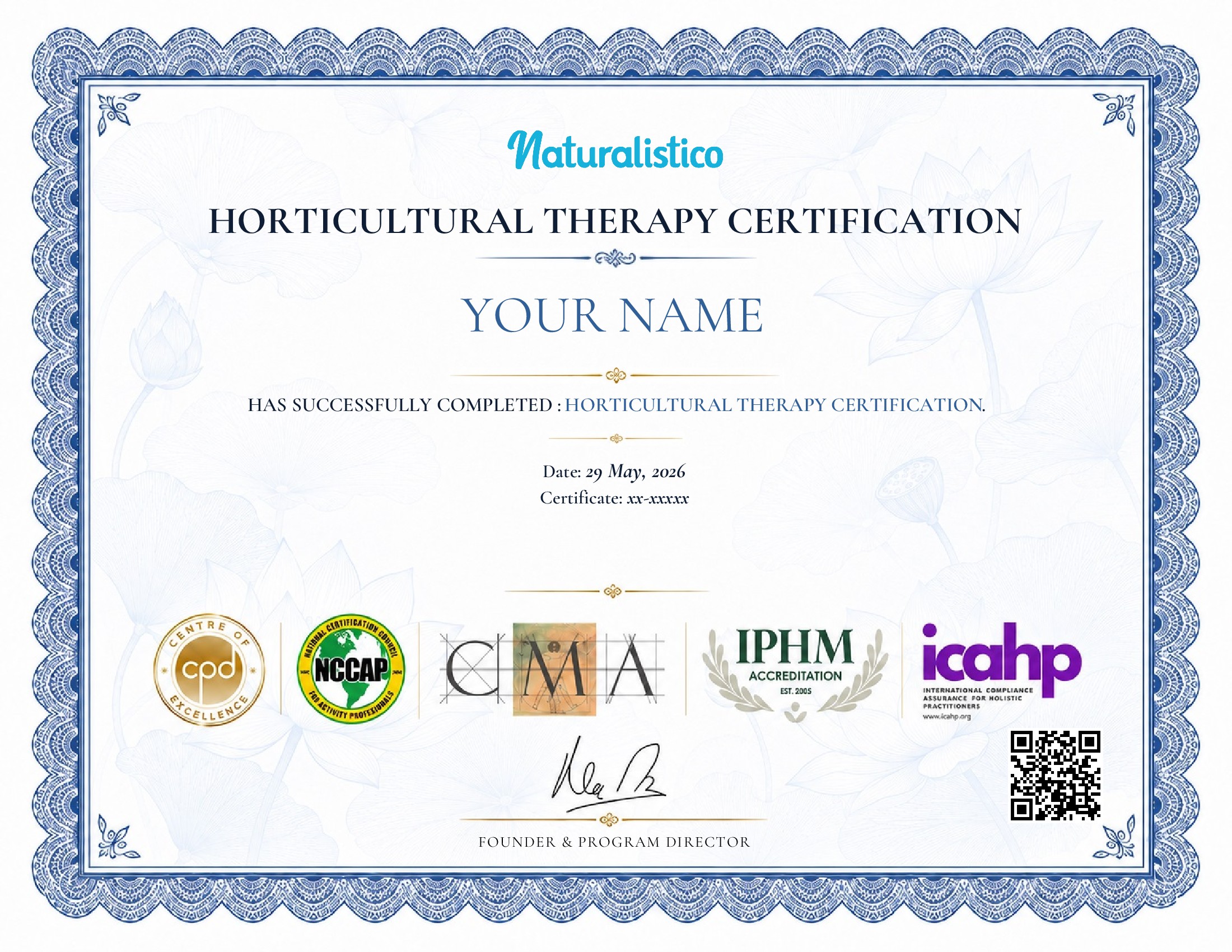
Our certificates are accredited by IPHM (International Practitioners of Holistic Medicine), CMA (The Complementary Medical Association), and the CPD (Centre of Excellence), which means that they have been assessed and recognized internationally.
Course Provider
Meet the institution behind your course

Naturalistico
Specialization
Longevity, Health & Nutrition
Coaching & Counseling
Personal & Spiritual Development
Courses
Facebook Client Attraction Certification
Cognitive Behavioral Therapy (CBT) Course
Breathwork Practitioner certification
Cacao Ceremonial Guide Certification
Ericksonian Coach certification
At Naturalistico, we’re dedicated to empowering therapists, coaches, and practitioners to thrive in their careers. Our platform combines accessible education with professional tools to help you grow your practice and manage it with ease. We collaborate exclusively with highly experienced educators to create our courses, ensuring you receive the highest quality knowledge and insights. We’re a passionate team committed to providing straightforward, affordable solutions that support your success. From comprehensive courses to CRM management tools, we offer resources designed to fit seamlessly into your busy life. Our mission is to help you build a practice that’s not only sustainable but also impactful. At Naturalistico, your growth and success are at the heart of everything we do.
Compare
Why practitioners choose Naturalistico
| Features | Our approach Naturalistico $97.00, accredited, self-paced | ICF / PAAC Programs $4,000.00 to $13,000.00 | University Degrees $40,000.00 to $120,000.00 |
|---|---|---|---|
| Tuition | $97.00 | $4,000.00 to $13,000.00 | $40,000.00+ |
| Format | Self-paced, fully online | Live cohorts, scheduled | In-person or hybrid |
| Time to complete | Around 40 hours | 6 to 24 months | 2 to 6 years |
| Accreditation | IPHM, CPD, CMA | ICF, PAAC | Regional academic |
| Best for | Practitioners who want a credible, affordable credential | Those needing ICF or PAAC for a specific role | Clinical or academic career paths |
| Ongoing access | Lifetime access, no extra fees | Limited, varies by program | Alumni access only |
| Refund policy | 30-day money-back guarantee | Limited or none | None |
Instructors
Meet the Team and Speakers Guiding You Towards Success
Our team brings decades of experience and internationally recognized credentials to every course.



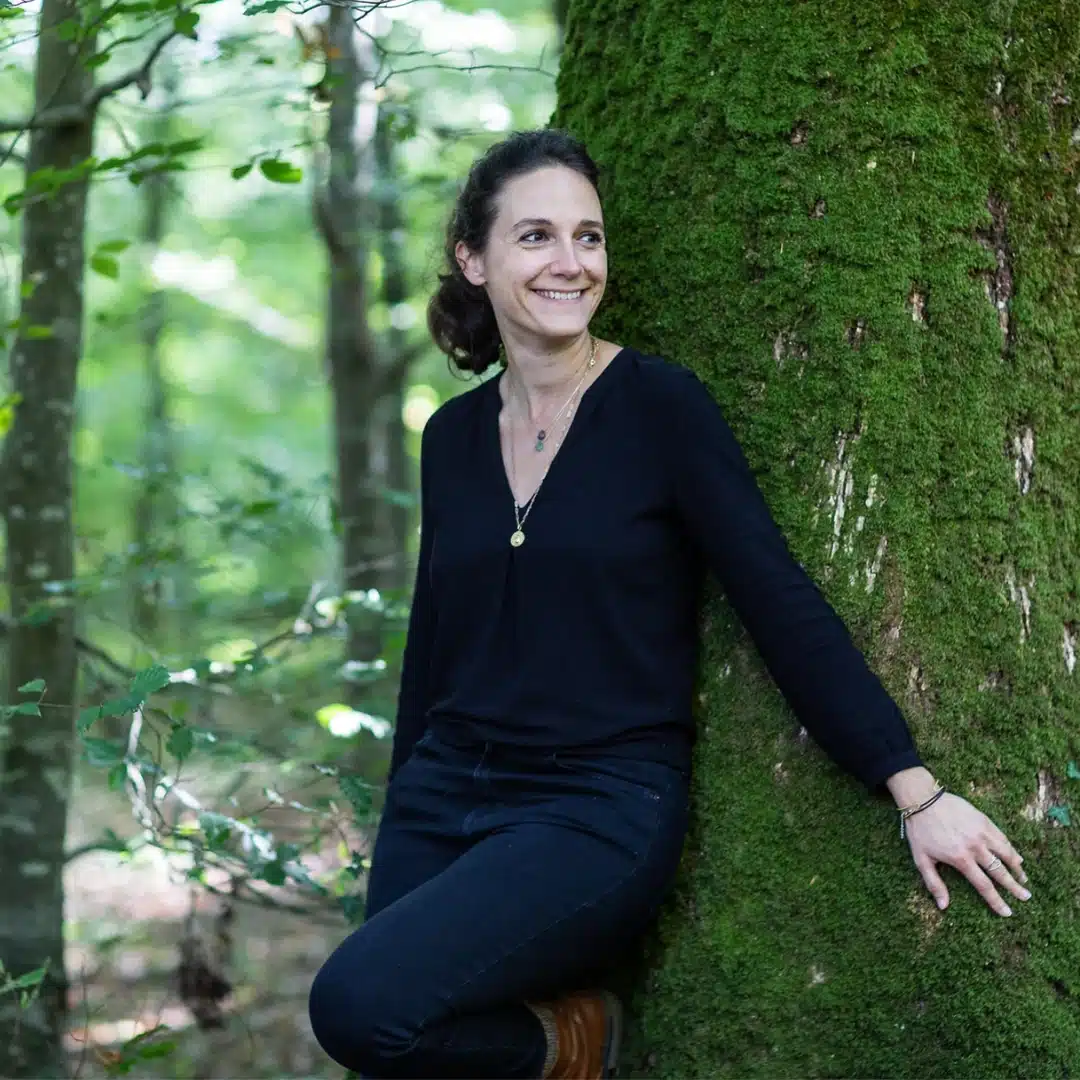


Cassidy R
Yoga, Meditation Instructor & Support Specialist

Bradley Kell
Clinical Dietitian

Practitioners certified across 6 continents
 Bonuses
Enjoy exclusive bonuses with this course
Students who enrolled in this course also enjoyed these.

Bonus 1
Facebook Client Attraction Certification (Valued at $395.00)
Ready to grow your holistic practice? Join our Facebook Client Attraction Certification course!

Holistic-Focused Strategies
Proven Techniques
Get Certified

Bonus 2
Earn $15 in Credits with Your First Purchase! (300 points)
Start your learning journey and get rewarded instantly — earn 300 points ($15 value) on your first course purchase! Redeem your points for free courses and exclusive rewards. 🎓
Earn while you learn
Redeem for free courses
Grow your rewards with every purchase

Bonus 3
Holistico CRM business suite
Experience the power of Holistico Professional+ with a complimentary trial, your all-access pass to our most advanced tools. Or keep exploring with our Free Plan, always on us.
Take payments
Manage your appointments
Have your services discovered

Bonus 4
Free Weekly Live Classes
Get free access to our Weekly live classes to learn new skills and keep growing personally and professionally.
Interactive Live Sessions
Learn from Experts
Connect with a Global Community
Bonus 5
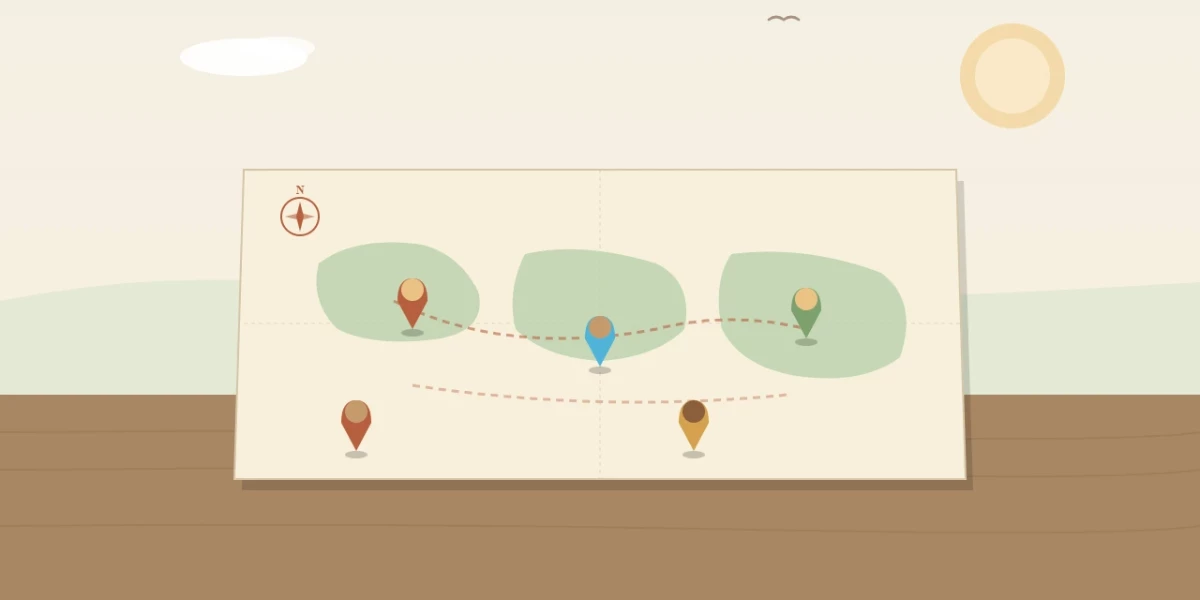
Student map (Valued at $120.00/year)
Calling all students! Explore our Student Map platform designed to help you connect, chat, and collaborate with fellow students worldwide.
Easy Student-to-Student Connections
Global Networking Opportunities
Chat and meet others to practice your craft

Bonus 6
Forum
Students, it’s time to connect, discuss, and share your insights on our vibrant Student Forum.
Engage with Peers Worldwide
Explore Diverse Topics
Collaborate and Learn

Bonus 7
Every Purchase Plants 1 Tree!
With every order, we're teaming up with One Tree Planted to plant a native tree, creating a greener planet. 🌱
Improved Air Quality
Restore wildlife habitats
Support sustainable communities
Limited Time Offer
$2,503.00
96% OFF
Total package value
Enroll today for only
$97.00
Pay $97.00 — get everything below included.
A $2,503.00 package — a premium Naturalistico certification, pro marketing training, live classes, business software, and a worldwide student community — all included with your enrollment today.
- Get certified to attract more clients
- Run your practice with pro business tools
- Learn live & connect with students worldwide
 Benefits
Frequently Asked Questions
You have the questions, we have the answers.
How do I sign up for a course?
Just pick the course you’re interested in and click “Add to cart.” When you’re ready, head to the checkout and complete your payment. You’ll get a confirmation email right away. If you want a printed certificate, you can choose that during checkout too!
How long does it take to complete a course?
That really depends on how many pages you go through per day or week, and of course, on your previous experience. The course is completely online and self-paced, so there are no deadlines. Once you’ve purchased the course, you’ll have lifetime access to all the material. It’s made up of several modules, some are lighter, while others a bit heavier. For most students, completing the entire course takes around 40 hours.
If I need help with the course, can I ask a question?
Yes, absolutely. The student forum is available for this purpose, you can post your questions and either a mentor or another student will get back to you, usually within 48 hours (excluding weekends and holidays). And feel free to share your wins too!
I can’t log in or forgot my password, what should I do?
Start by checking your inbox and spam folder for your login email, especially if it’s your first time logging in. Make sure you're using the same email address you used when signing up and that you're on the correct website. If needed, click “Forgot Password?” on the login page and follow the steps to reset it. If the email doesn't arrive, double-check your spam folder and try again. Still having trouble? Just reach out to our support team at [email protected], we're happy to help and usually respond within 48 hours (excluding weekends and holidays). We recommend saving your login details when you receive your registration email to avoid any issues later on.
Do I need to attend anything live, or can I study whenever it suits me?
The entire course takes place online and is fully self-paced, so you can study whenever it suits you best. There are no trips, workshops, or live classes required. You’ll get access to course modules as downloadable PDFs, audio files, and in some cases, videos. You study independently in your own time, and if you have any questions, you’re always welcome to ask them in the forum.
How am I assessed during the course?
You’ll find short quizzes at the end of each module to help you reflect on what you’ve learned, they’re NOT graded and are just for your own understanding. At the end of the course, there’s a final multiple-choice exam that is graded. You’ll need to score at least 80% to pass. Don’t worry, if you do not achieve 80% your first time, you can retake the exam at any time.
Are there any prerequisites?
There are no prerequisites or minimum educational requirements. All our courses are carefully designed to be accessible to as many people as possible. You can study from a computer, tablet, or smartphone. If your internet connection is unstable, we recommend downloading the PDF modules and audio files so you can access them offline whenever it suits you. Just keep in mind that you’ll need an internet connection to complete the quizzes and take the final exam.
Do I receive a certificate at the end of the course?
You will receive a printed certificate if you selected that option during registration. Otherwise, you can order it later at any time from your student portal under the "Certificates" section – OR download it for free as a PDF.
Are your certificates officially accredited, or are they just for personal development?
The professions for which our courses prepare you are part of the unregulated occupations in most countries. This means there is no official recognition. However, local regulations may vary. We recommend that you inquire with the relevant authorities. Our courses are designed to provide essential foundational knowledge, making them an excellent starting point for anyone looking to enter a new field or expand their expertise. They equip you with practical skills and a deep understanding of the subject matter, enabling you to either begin your career or enhance your existing expertise in a cost-effective way. Our courses are accredited by respected international organisations. That said, the fields we train for aren’t regulated in most countries, so recognition can vary depending on where you live. It’s always a good idea to double-check with local authorities if you're unsure.
Why are the courses sometimes discounted so much?
We believe that quality education should be accessible to everyone, not just a privilege for a few. From time to time, we offer significant discounts to open the door for more people to learn, grow, and discover new opportunities. It’s part of our mission to make personal and professional development more inclusive, regardless of budget.
Limited Time Offer
Horticultural Therapy Certification
30-day money-back guarantee on all courses
Enroll today for only
$97.00
$395.00 · 75% OFF
- Lifetime access
- Certificate included
- 30-day guarantee
30-day Refund

Naturalistico Support
Typically replies in seconds
🎓 Get certified today — 75% off
Hi — questions about this course? 👋
Ask me anything about the Horticultural Therapy Certification — the price, the accreditation, how it is taught, or the refund. Or pick a topic below.
Powered by Naturalistico
Horticultural Therapy Certification for $97.00
 30-days guarantee


